DEVELOPING STORY | Sept. 7, 2026
I went to Robbins to support 137 Mike Mike. I left wondering why so much of the community appeared to be celebrating outside the gates of its own festival.
I came to support. Not post-and-go support, the real kind. Getting dressed, getting in the car, paying admission, and being physically present. That’s how I show up for people who are building something.
So on September 6th, 2026, I traveled to Robbins with a press associate to catch 137 Mike Mike perform at the Village’s Annual Festival & Parade Weekend.
But what I observed that afternoon raised questions I couldn’t leave alone.
Why Does the Community’s Festival and Parade Cost the Community $20?
The 2026 Village of Robbins Annual Festival & Parade Weekend ran September 4-6. The three-day event featured national, Chicago-area, and local entertainment, DJs, vendors, family activities, and the annual parade. Adult general admission was $20 per day. Children 17 and under could attend for free with a ticketed adult.
Let me be clear: charging for a festival isn’t inherently wrong. Stages, sound, security, sanitation, and artist fees all cost money. But this wasn’t marketed as a privately promoted concert that happened to take place in Robbins. It was promoted as the Village of Robbins Annual Festival & Parade Weekend. That distinction matters.
I searched the publicly available ticketing information and found no advertised free or discounted admission category specifically for Robbins residents.
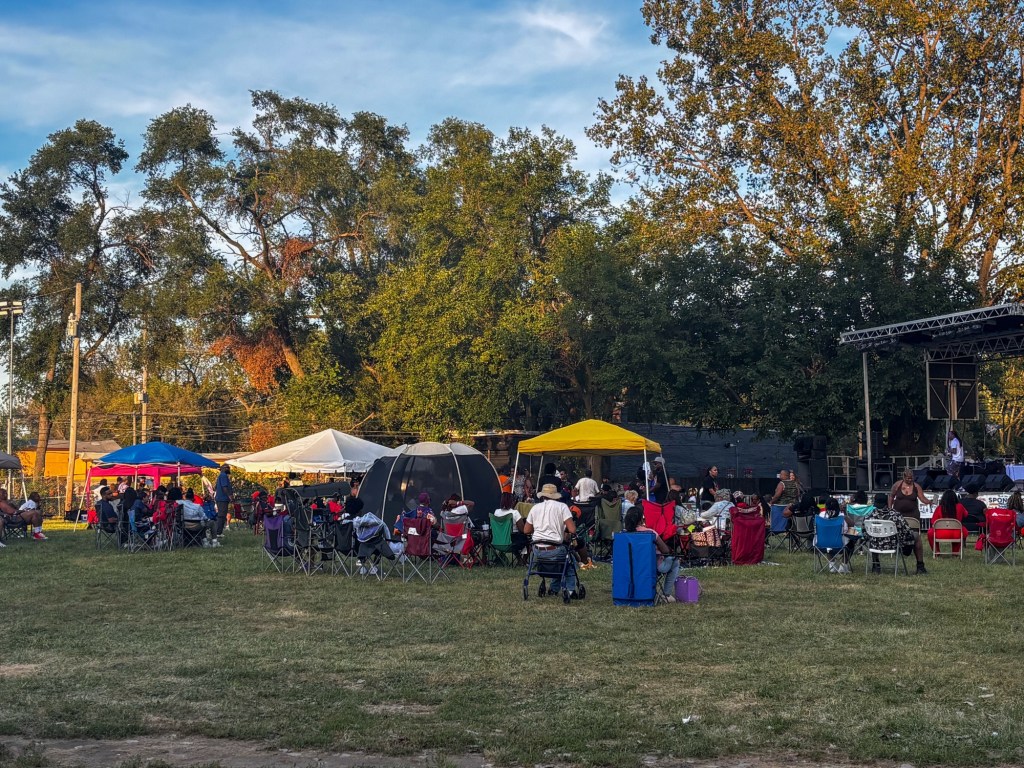
Instead, I found two simultaneous festivals. One was inside the gate: ticketed, organized, vendors, official. The other was outside, with residents, vendors, and neighbors creating their own experience in the spaces around the grounds. The $20 admission and the gate itself physically separated the two.
A festival designed to bring a community together had, from my vantage point, produced a divided crowd.
I don’t know how many people outside chose not to enter because of the price. I don’t know how many had already attended on another day, or simply preferred being outside. Those distinctions require responsible reporting to verify. What I can report is what I personally witnessed: Robbins was active on both sides of the gate. That raises a legitimate question about whether the festival’s financial and physical structure helped create one community celebration or divided an existing one.
The economic-development question surrounding the festival exists against a broader challenge for Robbins. According to the Chicago Metropolitan Agency for Planning’s June 2026 Community Data Snapshot, businesses in Robbins generated about $15.9 million in total retail sales in 2025, or $3,484 per resident. By comparison, retail sales per capita were $23,200 across Cook County. Robbins also has only 13.6 acres classified as commercial land, representing 1.5% of the Village’s total land area.
Then There Were the $15 Wings
We have to talk about the chicken. As many of my subscribers and close friends know, I love Harold’s Chicken.
Harold’s Chicken was vending outside the festival grounds. Four wings for $15 ($12 plus fees and taxes when paying by card). Lemonade was $10 and took nearly 40 minutes to arrive.
Festival pricing is never a surprise in Chicago. But when you’re not even inside the festival and you’re paying more than most residents would spend on a full meal, that’s its own statement about who these economics are actually serving.
The Deeper Question: Where Did the Money Come From?
The question isn’t simply why they charged. The deeper question is:
How was this festival financed, and what did Robbins residents receive from the investment?
This is where the story moves from commentary into reporting. The Village of Robbins organized and promoted the annual festival. But that fact alone doesn’t establish where every dollar came from. The event could have been financed through Village funds, sponsorships, grants, vendor fees, ticket revenue, or some combination of these.
Rather than speculate, Chicago Street Journal is seeking the records.
We are requesting information about the festival’s total budget, Village expenditures, sponsorship revenue, grants, vendor fees, ticket revenue, attendance, contracts, and the ultimate allocation of festival-generated revenue. We’re also asking why the $20 admission price was selected, and whether Robbins residents received, or were considered for, any special admission benefit.
Those answers matter. There is a meaningful difference between a festival primarily financed through private sponsorships and ticket sales and one substantially subsidized through public resources. If public money funded a significant portion of this event, then the question of who benefited and who didn’t becomes a public accountability question.
There are models worth considering. Residents could receive discounted admission. Sponsors could underwrite resident tickets. Daytime community programming could remain free while evening concerts are ticketed. The Village could offer residents wristbands. These aren’t demands; they’re examples of the kinds of structures that allow community access and event revenue to coexist.
Who Was On Stage
The 2026 Robbins Festival featured a full weekend of live entertainment. On the performance side: Keke Wyatt, Danny Boy, Shawnna, El Hitta, and Sean Mac all took the stage. The steppers scene was represented through Club Steppin’, adding a Chicago cultural staple to the weekend’s programming.
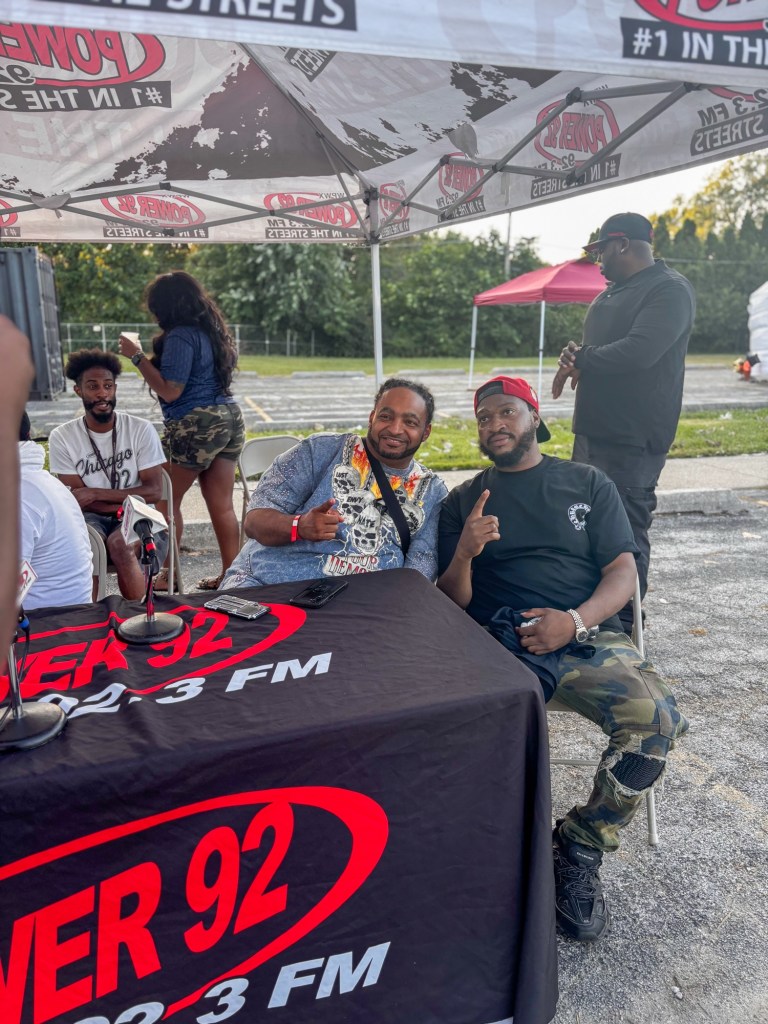
Holding down the DJ sets were DJ Pharris, DJ Sundance, DJ K Caesar, DJ Twenzino, and DJ SYIAH. Power 92 RAW Radio, hosted by Seandale, also had a presence at the festival, bringing the station’s audience into the weekend’s energy.
I Actually Came for 137 Mike Mike
None of this overshadows why I went to Robbins that day. I went to support 137 Mike Mike at the festival, alongside my press associate, Street Certified News.
And I’m glad I went. Community festivals do something larger-ticketed events often can’t: they give local artists a stage in front of the people they’re already building with. Nationally recognized performers sell tickets and draw attention, but local artists are often the ones creating culture in these communities every single day, especially when they’re from the community themselves, like 137 Mike Mike. They’re building audiences one person at a time, making music without major-label budgets, and turning local talent into something that lasts.
I’m currently speaking with 137 Mike Mike about his story, what the “137” represents, his relationship to Robbins and Chicago culture, his experience performing at the festival, and what he’s working toward next. That piece is coming.
What We’re Asking the Village
Chicago Street Journal is seeking answers from Village leadership about who produced the 2026 festival, how much it cost, what portion was supported by public resources, why adult admission was set at $20, whether residents received any admission benefit, how vendors were selected and charged, how much revenue the event generated, and where that revenue goes.
We are also seeking the underlying financial and administrative records through the Illinois Freedom of Information Act.
There may be perfectly reasonable answers. There may also be things worth changing before next year. Either way, Robbins residents deserve the information necessary to make that determination for themselves.
Mayor Darren Bryant has responded to CSJ’s inquiry and will be speaking with us on the record by phone. That’s why this story isn’t finished.
It’s developing. And we’ll follow the money and the answers wherever they lead.
Editor’s Note: This is a developing report based in part on the author’s firsthand observations at the Village of Robbins Annual Festival & Parade Weekend on Sept. 6, 2026. Chicago Street Journal is seeking comment from Village officials and public records concerning festival financing, operations, admission and revenue. Additional reporting, including comments from artist 137 Mike Mike and the Village of Robbins, will be incorporated as it becomes available.
Have information about the 2026 Robbins Festival? Chicago Street Journal welcomes documentation, photographs, receipts, vendor experiences and firsthand accounts from Robbins residents, attendees and participating businesses. Information submitted by sources will be independently evaluated before publication.