Robbins Festival Brought the Community Out, But Did It Bring the Community In?

DEVELOPING STORY | Sept. 7, 2026

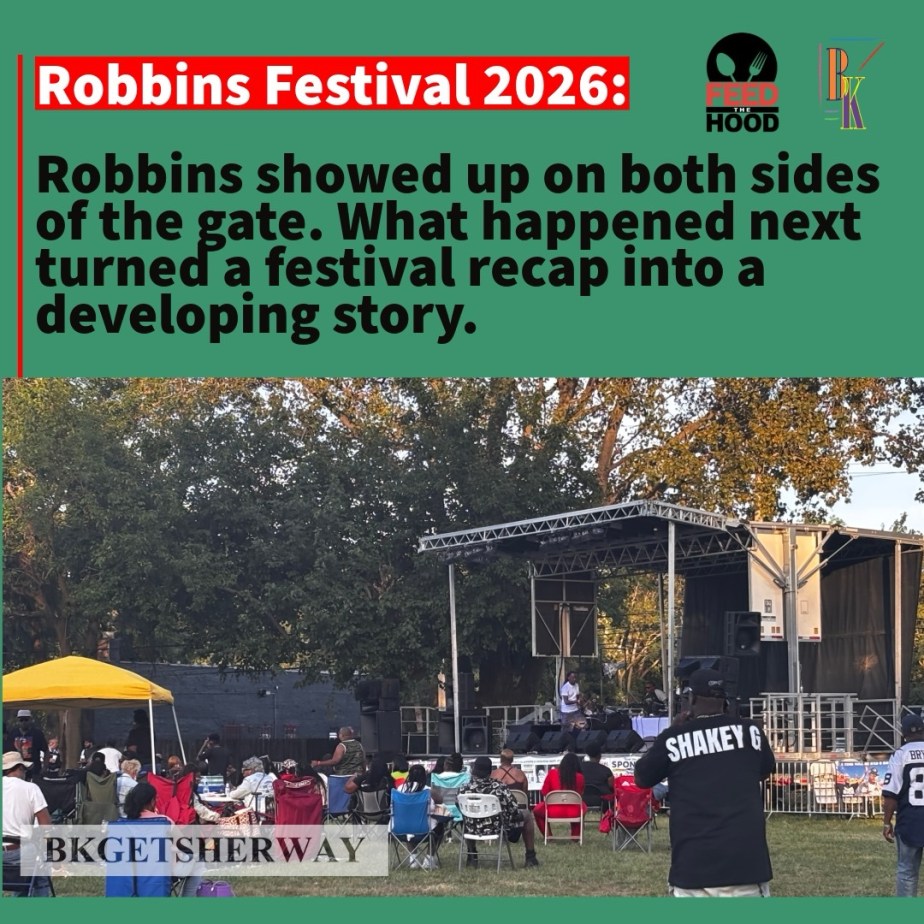
I went to Robbins to support 137 Mike Mike. I left wondering why so much of the community appeared to be celebrating outside the gates of its own festival.

I came to support. Not post-and-go support, the real kind. Getting dressed, getting in the car, paying admission, and being physically present. That’s how I show up for people who are building something.

So on September 6th, 2026, I traveled to Robbins with a press associate to catch 137 Mike Mike perform at the Village’s Annual Festival & Parade Weekend.

But what I observed that afternoon raised questions I couldn’t leave alone.

Why Does the Community’s Festival and Parade Cost the Community $20?

The 2026 Village of Robbins Annual Festival & Parade Weekend ran September 4-6. The three-day event featured national, Chicago-area, and local entertainment, DJs, vendors, family activities, and the annual parade. Adult general admission was $20 per day. Children 17 and under could attend for free with a ticketed adult.

Let me be clear: charging for a festival isn’t inherently wrong. Stages, sound, security, sanitation, and artist fees all cost money. But this wasn’t marketed as a privately promoted concert that happened to take place in Robbins. It was promoted as the Village of Robbins Annual Festival & Parade Weekend. That distinction matters.

I searched the publicly available ticketing information and found no advertised free or discounted admission category specifically for Robbins residents.

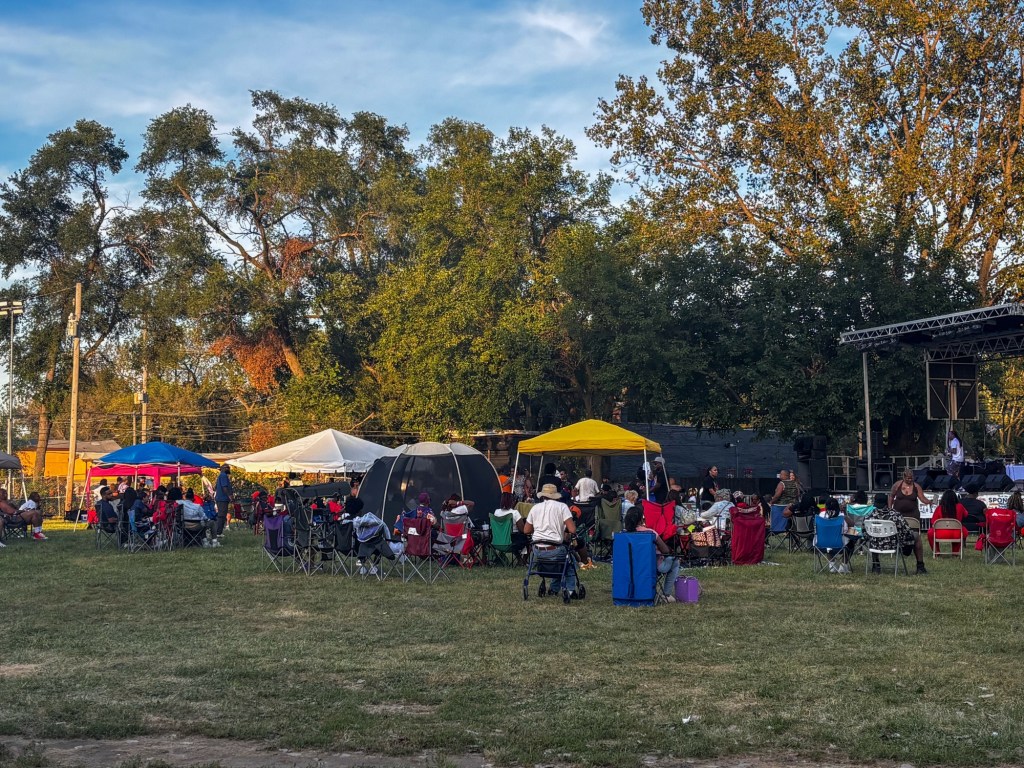
Instead, I found two simultaneous festivals. One was inside the gate: ticketed, organized, vendors, official. The other was outside, with residents, vendors, and neighbors creating their own experience in the spaces around the grounds. The $20 admission and the gate itself physically separated the two.

A festival designed to bring a community together had, from my vantage point, produced a divided crowd.

I don’t know how many people outside chose not to enter because of the price. I don’t know how many had already attended on another day, or simply preferred being outside. Those distinctions require responsible reporting to verify. What I can report is what I personally witnessed: Robbins was active on both sides of the gate. That raises a legitimate question about whether the festival’s financial and physical structure helped create one community celebration or divided an existing one.

The economic-development question surrounding the festival exists against a broader challenge for Robbins. According to the Chicago Metropolitan Agency for Planning’s June 2026 Community Data Snapshot, businesses in Robbins generated about $15.9 million in total retail sales in 2025, or $3,484 per resident. By comparison, retail sales per capita were $23,200 across Cook County. Robbins also has only 13.6 acres classified as commercial land, representing 1.5% of the Village’s total land area.

Then There Were the $15 Wings

We have to talk about the chicken. As many of my subscribers and close friends know, I love Harold’s Chicken.

Harold’s Chicken was vending outside the festival grounds. Four wings for $15 ($12 plus fees and taxes when paying by card). Lemonade was $10 and took nearly 40 minutes to arrive.

Festival pricing is never a surprise in Chicago. But when you’re not even inside the festival and you’re paying more than most residents would spend on a full meal, that’s its own statement about who these economics are actually serving.

The Deeper Question: Where Did the Money Come From?

The question isn’t simply why they charged. The deeper question is:

How was this festival financed, and what did Robbins residents receive from the investment?

This is where the story moves from commentary into reporting. The Village of Robbins organized and promoted the annual festival. But that fact alone doesn’t establish where every dollar came from. The event could have been financed through Village funds, sponsorships, grants, vendor fees, ticket revenue, or some combination of these.

Rather than speculate, Chicago Street Journal is seeking the records.

We are requesting information about the festival’s total budget, Village expenditures, sponsorship revenue, grants, vendor fees, ticket revenue, attendance, contracts, and the ultimate allocation of festival-generated revenue. We’re also asking why the $20 admission price was selected, and whether Robbins residents received, or were considered for, any special admission benefit.

Those answers matter. There is a meaningful difference between a festival primarily financed through private sponsorships and ticket sales and one substantially subsidized through public resources. If public money funded a significant portion of this event, then the question of who benefited and who didn’t becomes a public accountability question.

There are models worth considering. Residents could receive discounted admission. Sponsors could underwrite resident tickets. Daytime community programming could remain free while evening concerts are ticketed. The Village could offer residents wristbands. These aren’t demands; they’re examples of the kinds of structures that allow community access and event revenue to coexist.

Who Was On Stage

The 2026 Robbins Festival featured a full weekend of live entertainment. On the performance side: Keke Wyatt, Danny Boy, Shawnna, El Hitta, and Sean Mac all took the stage. The steppers scene was represented through Club Steppin’, adding a Chicago cultural staple to the weekend’s programming.

Holding down the DJ sets were DJ Pharris, DJ Sundance, DJ K Caesar, DJ Twenzino, and DJ SYIAH. Power 92 RAW Radio, hosted by Seandale, also had a presence at the festival, bringing the station’s audience into the weekend’s energy.

I Actually Came for 137 Mike Mike

None of this overshadows why I went to Robbins that day. I went to support 137 Mike Mike at the festival, alongside my press associate, Street Certified News.

And I’m glad I went. Community festivals do something larger-ticketed events often can’t: they give local artists a stage in front of the people they’re already building with. Nationally recognized performers sell tickets and draw attention, but local artists are often the ones creating culture in these communities every single day, especially when they’re from the community themselves, like 137 Mike Mike. They’re building audiences one person at a time, making music without major-label budgets, and turning local talent into something that lasts.

I’m currently speaking with 137 Mike Mike about his story, what the “137” represents, his relationship to Robbins and Chicago culture, his experience performing at the festival, and what he’s working toward next. That piece is coming.

What We’re Asking the Village

Chicago Street Journal is seeking answers from Village leadership about who produced the 2026 festival, how much it cost, what portion was supported by public resources, why adult admission was set at $20, whether residents received any admission benefit, how vendors were selected and charged, how much revenue the event generated, and where that revenue goes.

We are also seeking the underlying financial and administrative records through the Illinois Freedom of Information Act.

There may be perfectly reasonable answers. There may also be things worth changing before next year. Either way, Robbins residents deserve the information necessary to make that determination for themselves.

Mayor Darren Bryant has responded to CSJ’s inquiry and will be speaking with us on the record by phone. That’s why this story isn’t finished.

It’s developing. And we’ll follow the money and the answers wherever they lead.


Editor’s Note: This is a developing report based in part on the author’s firsthand observations at the Village of Robbins Annual Festival & Parade Weekend on Sept. 6, 2026. Chicago Street Journal is seeking comment from Village officials and public records concerning festival financing, operations, admission and revenue. Additional reporting, including comments from artist 137 Mike Mike and the Village of Robbins, will be incorporated as it becomes available.

Have information about the 2026 Robbins Festival? Chicago Street Journal welcomes documentation, photographs, receipts, vendor experiences and firsthand accounts from Robbins residents, attendees and participating businesses. Information submitted by sources will be independently evaluated before publication.
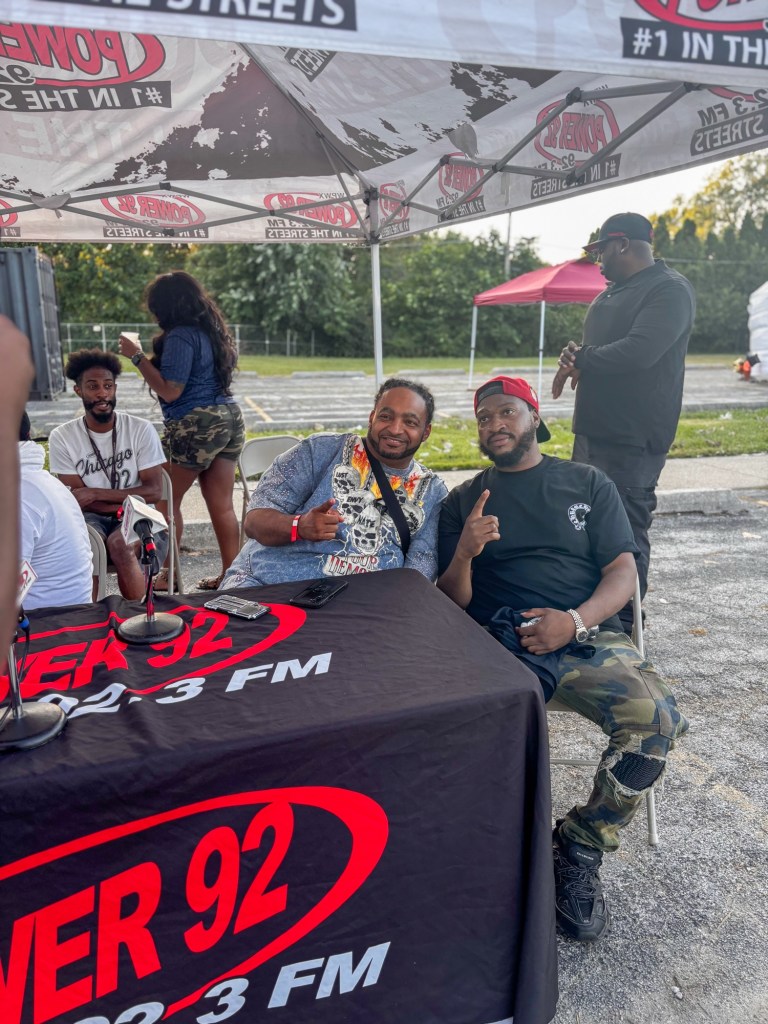
Seandale and a Guest at the Festival
Participants inside the gates of the Festival.

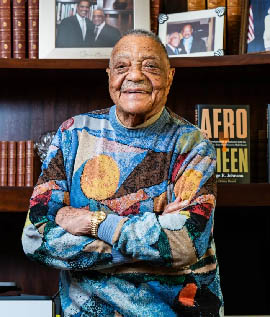
George Johnson, Hair Care Industry Pioneer, Dies at 99

CHICAGO (AP) – George E. Johnson, who built one of the most successful Black-owned businesses in U.S. history through his hair care company, has died. He was 99.

Johnson died Monday of natural causes at his home in downtown Chicago, his son, John Edward Johnson, said.

Johnson founded Johnson Products Co. in 1954 after developing a hair straightener designed to avoid burning the scalp. He funded the startup with a small bank loan, which he obtained by telling the loan officer he needed the money for a vacation rather than revealing his business plans.

The company grew into a multimillion-dollar business and in 1971 became the first Black-owned company to trade on the American Stock Exchange. Its product lines, including Ultra Sheen and Afro Sheen, became widely used among Black consumers across the country.

Johnson Products’ advertising, created by Black-owned agencies, was known for depicting Black Americans in professional and family settings at a time when such portrayals were uncommon in mainstream media. The company also sponsored the television show “Soul Train.”

Johnson, a high school dropout who grew up poor on Chicago’s South Side, later gave millions of dollars to fund college scholarships for minority students.

He stepped down as chairman and CEO in 1988. The company changed hands multiple times in subsequent decades. Johnson published a memoir about his life and career in 2025.

He is survived by his wife, Madeline Murphy Rabb, four children and several grandchildren.

The Chicago Sun-Times contributed reporting. Featured Image Credit: Colin Boyle/Block Club Chicago.

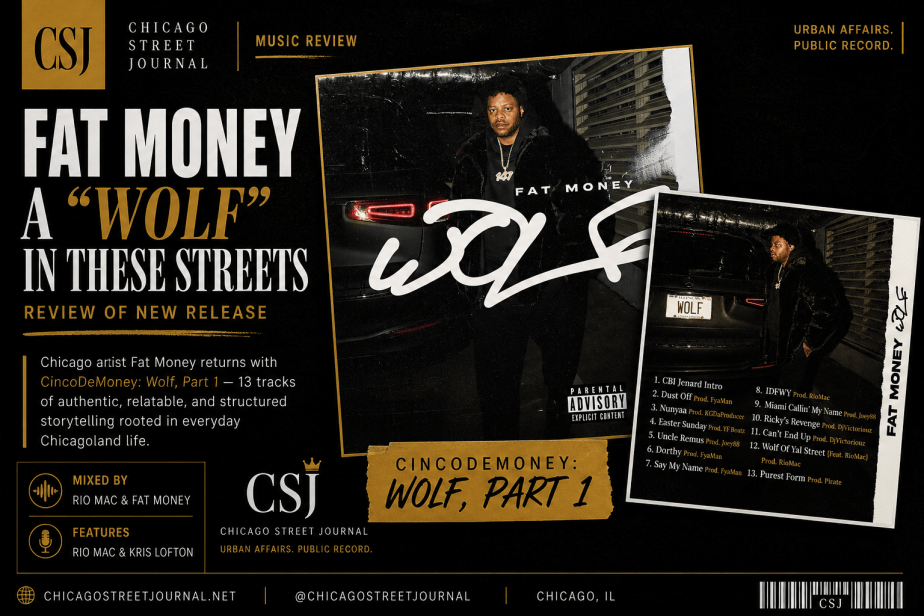
Fat Money a “Wolf” in These Streets: A Review of CincoDeMoney Wolf, Part 1

Chicago-Ty Money, better known as Fat Money, returns with new music: 13 tracks in his signature style for this year’s CincoDeMoney installment, Wolf, Part 1.

This project is one I anticipate annually. Not just out of loyalty , but because the series consistently reflects authenticity and growth. Each year feels like a continuation, not a repetition.

Money still slaps the same way he did the first time I pressed play years ago. And I still spin the older records too. That consistency matters.

Beyond affiliation, because yes, this is family, the work stands on its own. The quality is there. The storytelling is structured. The themes are grounded in everyday Chicagoland life. There’s intention in the sequencing and delivery that many artists today struggle to maintain.

It’s narrative and a vibe.

The project was mixed by Rio Mac and Fat Money, with features from Rio Mac and Kris Lofton, adding texture without disrupting the tone.

Favorite Tracks

In no particular order:

  • Nunyaa
  • Dust Off
  • Easter Sunday
  • Purest Form
  • Dorthy
  • Miami Calling My Name
  • IDFWY
  • Honorable Mention:
    Wolf of Y’all Street

A personal highlight for me is the recurring nod to my family’s restaurant legacy.

My uncle, Chuck “Woo Woo’s” Higgins, built something lasting from Washington Heights (99th & Halsted) to Lynwood, Calumet City, Dolton, Chicago Heights, and now:

1721 E. Sauk Trail in Sauk Village.

When artistry intersects with legacy, it hits different.

Wolf, Part 1 feels like a reminder: evolution doesn’t mean abandoning your roots. It means sharpening them.

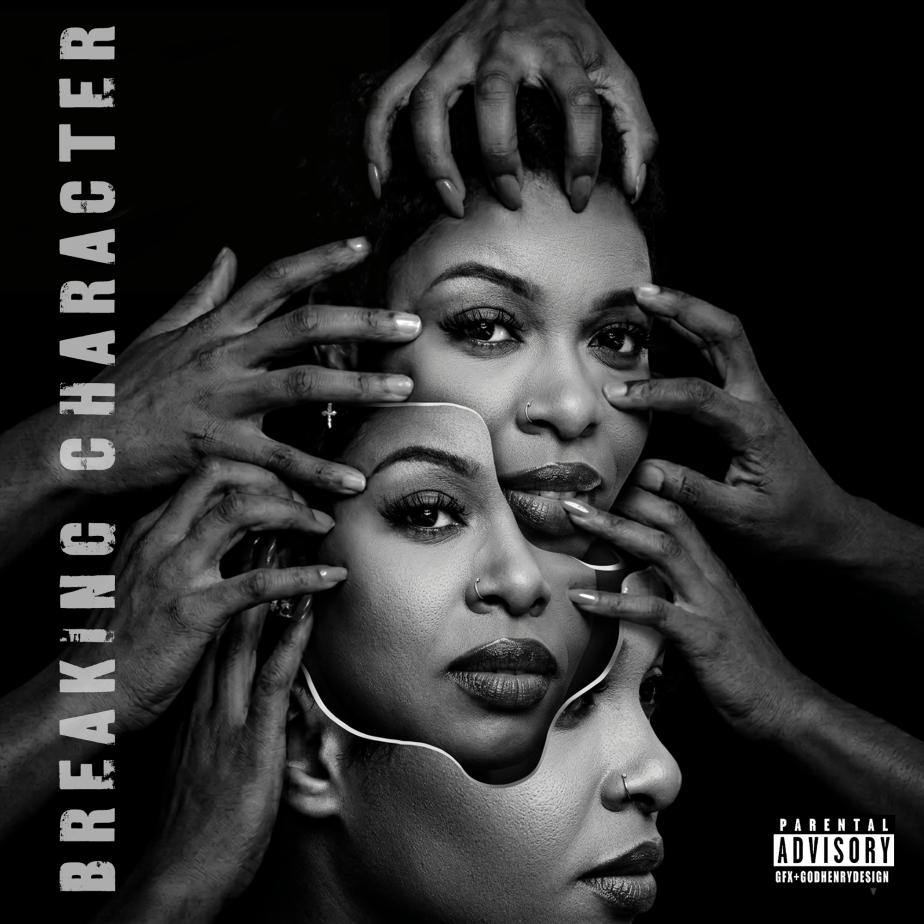
Ta’Rhonda Jones explores identity and transformation in the upcoming project “Breaking Character.”

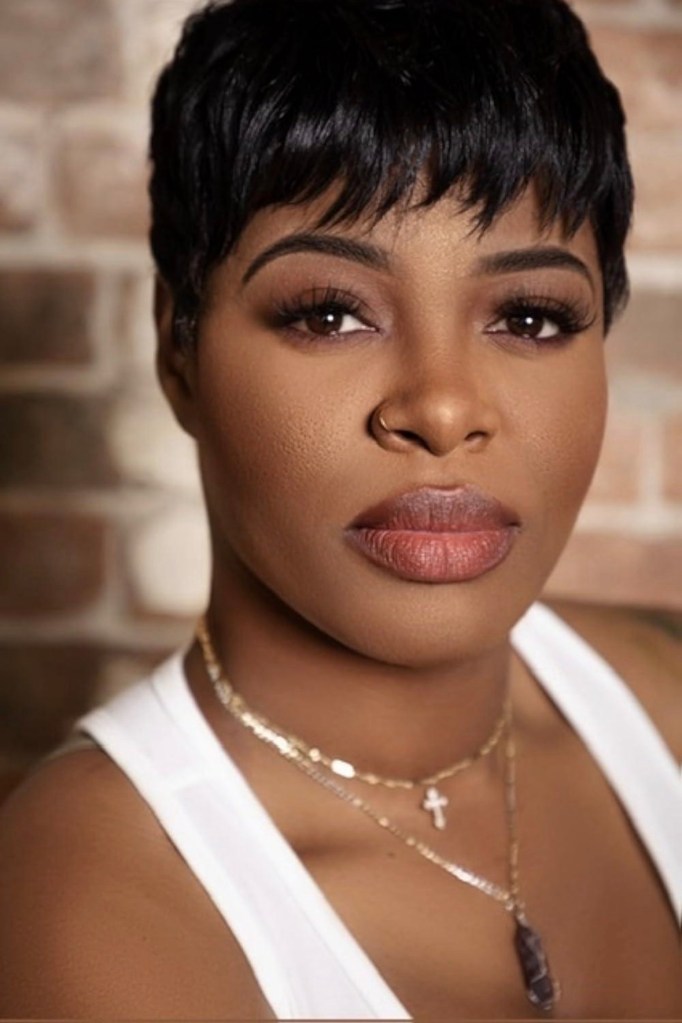
CHICAGO — Actress and recording artist Ta’Rhonda Jones is expanding her creative work into music with Breaking Character, a project centered on identity, perception and personal transformation.

The project includes tracks such as “Favor on My Soul” and “Villain,” which explore contrasting emotional perspectives, one rooted in alignment and affirmation, the other in perception and misunderstanding.

“Breaking character is really about stepping outside of what people expect from you,” Jones said. “It’s personal.”

Jones, known for her role as Porsha Taylor on the television series Empire, is using music to expand her storytelling beyond the screen.

“I choose to be present. I choose to be 100% me,” she said. “No more performing. No more people pleasing. I’m no longer who society wants me to be.”

The duality presented in “Favor on My Soul” and “Villain” reflects a broader theme of balance within the project.

“I wanted to show that balance is necessary,” Jones said. “I can be both soft and firm. Soft says I understand you, and firm says I still choose what’s best for me.”

Production for “Favor on My Soul” is underway, with visuals emphasizing tone, reflection and transformation. The project’s visual direction aligns with its themes, focusing on mood-driven storytelling and emotional depth.

“There are moments where you’re misunderstood for growing,” Jones said. “That’s where ‘Villain’ comes from.”

Jones also described the creative process as liberating, noting that each phase of development has expanded her perspective.

“Every time I create, I discover new freedom,” she said. “It feels like a phoenix rising, like I’ve unlocked a new level of consciousness.”

A release date for Breaking Character has been confirmed for June 6. The project marks Jones’ continued expansion into music and visual storytelling, positioning it as a personal and creative evolution.


Follow her on IG!
Ta’Rhonda Jones | IMDb
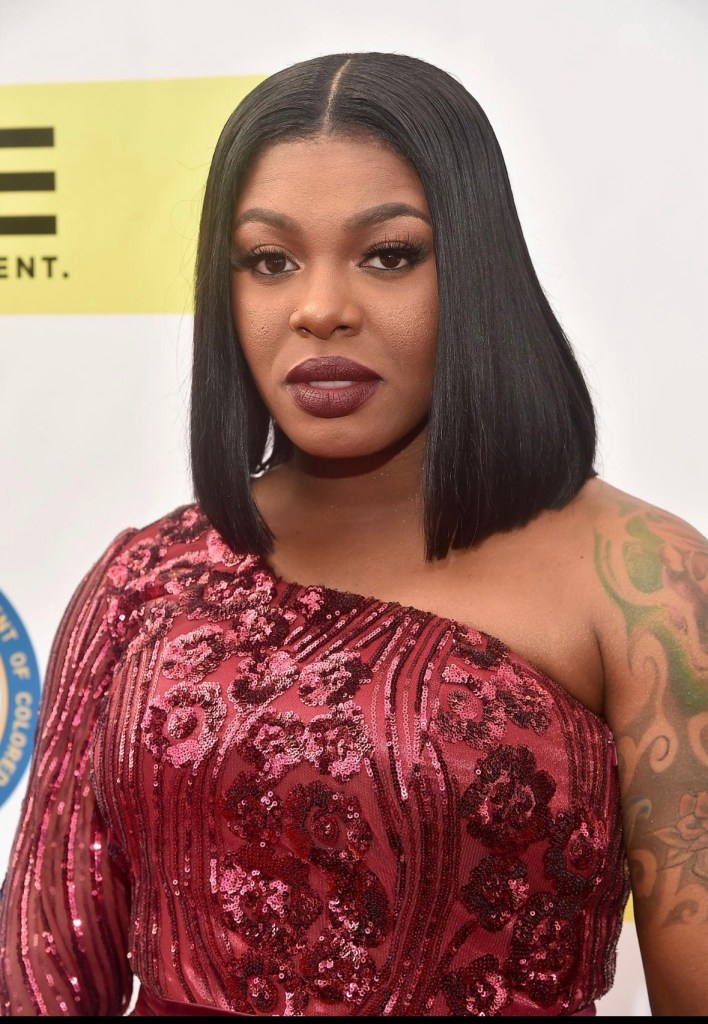
Ta’Rhonda at 48th NAACP Image Awards Red Carpet
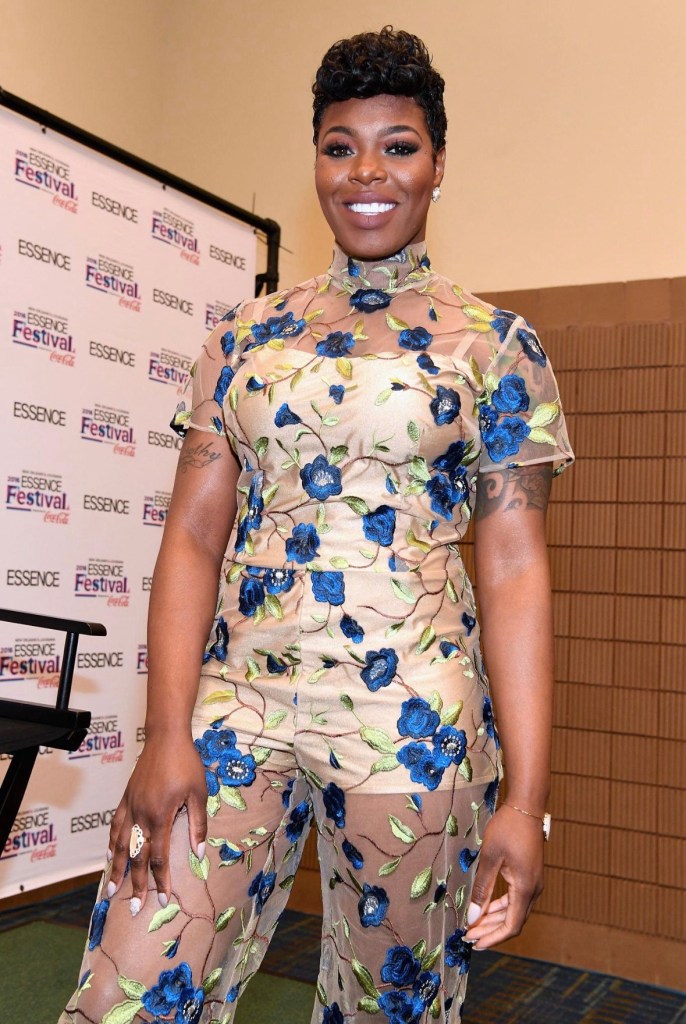
Ta’Rhonda at the 2016 Essence Festival Presented by Coca-Cola
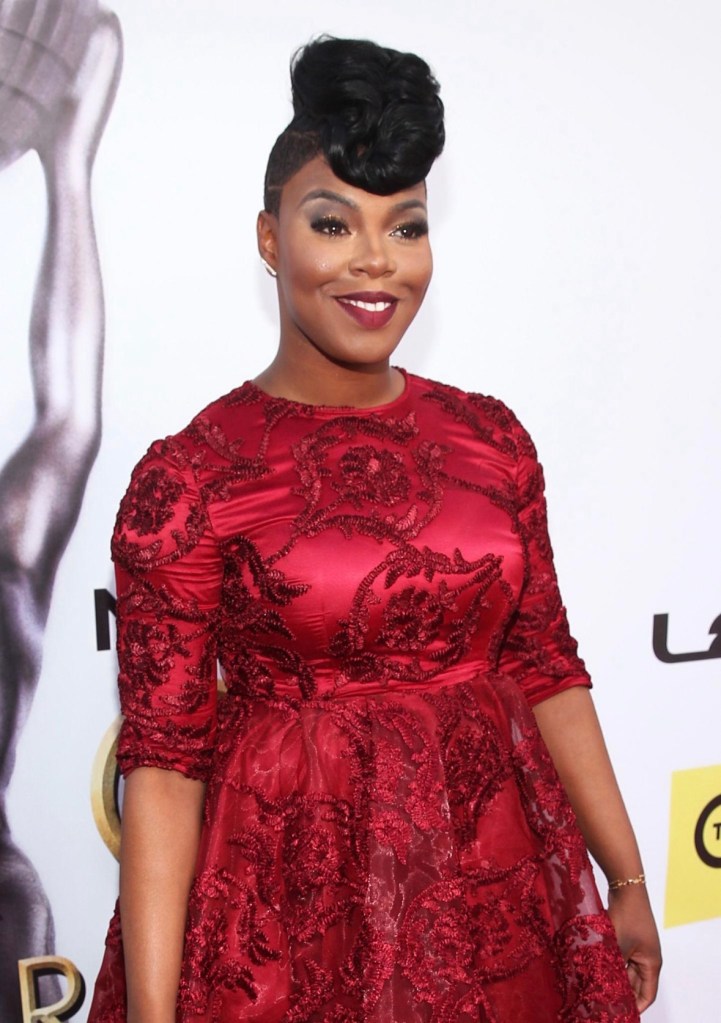
Ta’Rhonda at The 47th NAACP Image Awards Presented by TV One, Red Carpet
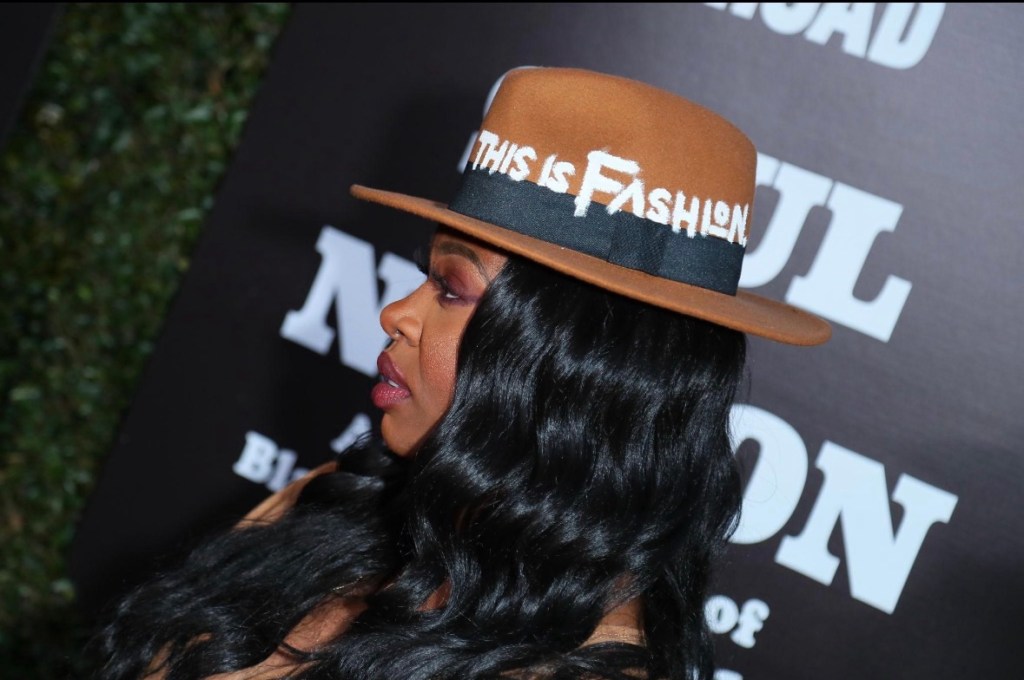
Ta’Rhonda | The Broad Host West Coast Debut of “Soul of a Nation”

Queen Key Expands Her Empire with Kolors Boutique Grand Opening in Chicago

There comes a point in every artist’s journey where the brand outgrows the medium. For Queen Key, that moment is now.

Queen Key | Spotify

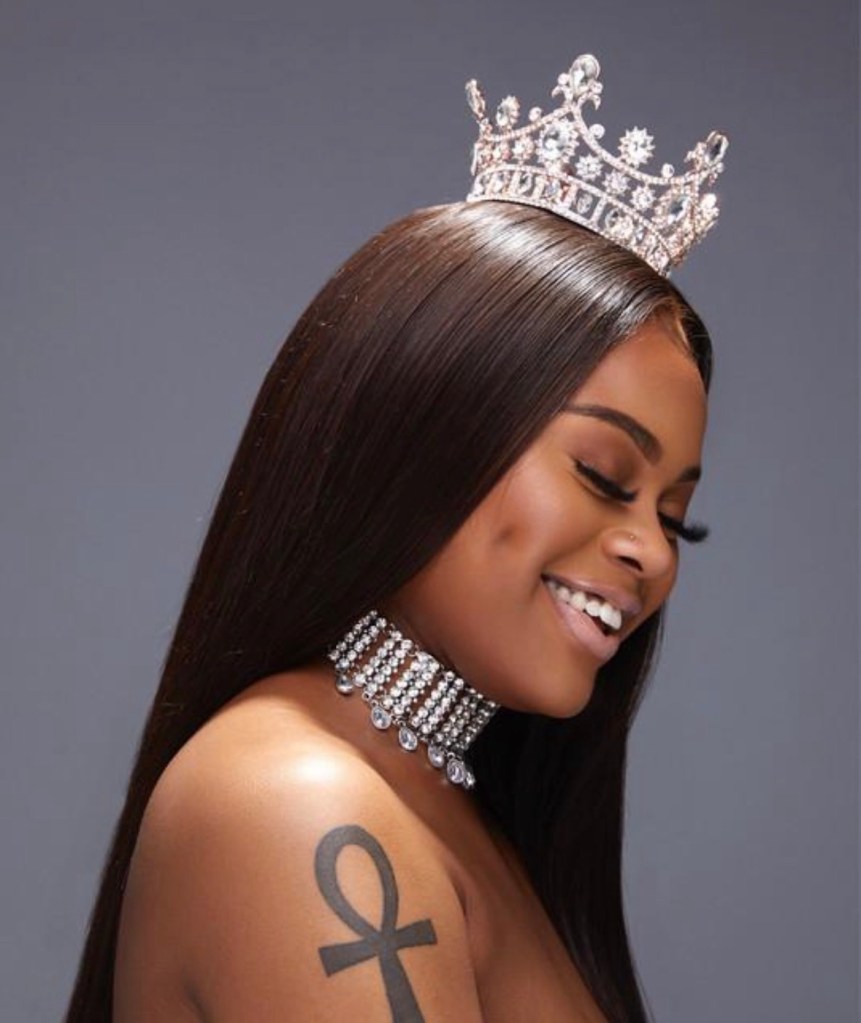
Known for her unapologetic voice, bold personality, and cultural influence rooted in Chicago, Queen Key is stepping beyond music and into something more tangible; retail, ownership, and curated lifestyle. Just like a big stepper should.

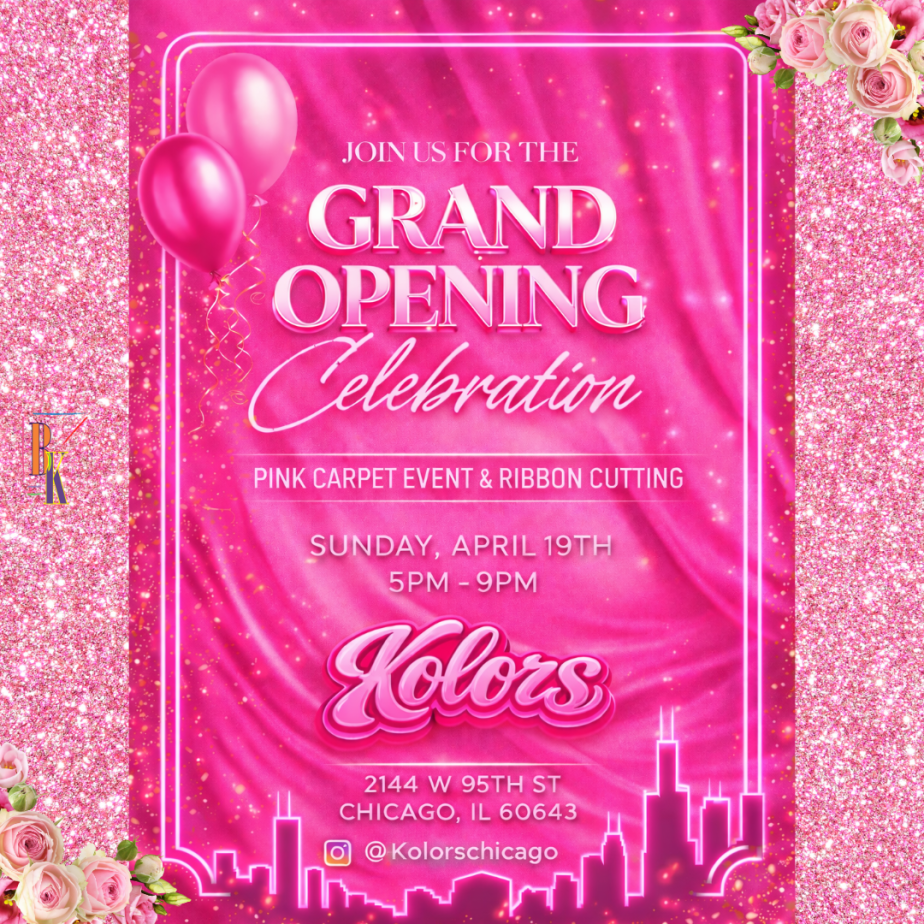
With the announcement of her boutique, Kolors, grand opening, Sunday, April 19, at 2144 W. 95th Street from 5 PM-9 PM, she’s not just inviting people to an event…she’s inviting them to her next chapter of evolution and introducing them to a special space in her life.


From Music to Market: A Strategic Evolution

Queen Key, born Ke’Asha McClure, has never followed a traditional blueprint, at all. I love 🥰 that for those of us looking 👀 to be inspired by originality.

From viral tracks to building a loyal audience, her career has been defined by authenticity and independence. But this latest move signals something deeper:

Ownership of experience.

A boutique isn’t just a store.

It’s:

  • A reflection of personal style
  • A direct-to-consumer brand channel
  • A physical extension of {brand} identity

And for an artist like Queen Key, whose image and presence have always been just as impactful as her music, this move feels less like a pivot and more like a natural progression.

Queen Key | Global Grind

More Than a Grand Opening

This isn’t just about racks of clothing or a new address on a flyer.

Her Grand Opening represents:

  • A new level of entrepreneurship
  • A claim to a bigger physical space in the culture
  • A deeper connection between artist and audience, in marketing and advertising.

This is where supporters become customers.
Where followers become community.

And where brand becomes infrastructure.


The Power of Physical Space in Communications

In a digital-first world, creating a physical location is a power move.

It says:
“I’m not just visible, I’m established.”

For Chicago especially spaces like this matter because we’re an international city and market.

We are a hub for:

  • Local fashion influence
  • Cultural expression
  • Community engagement

And when someone like Queen Key opens that door, it doesn’t just create opportunity for herself, it creates a ripple effect and opportunities for others.


What to Expect

While details are still unfolding, one thing is clear:

This won’t be a passive shopping experience.

Expect:

  • Energy
  • Personality
  • A crowd that reflects her audience
  • And a space that feels like an extension of her brand, and for the fly & danty ladies.

Because if there’s one thing Queen Key understands, it’s how to make people feel something.


Why This Moment Matters

Her boutique launch 🚀 is a signal.

A signal that artists, especially women in hip-hop, are continuing to expand beyond industry limitations and step fully into ownership, business, and legacy-building.

Queen Key | The Fader

And Queen Key is doing it her way.

Unfiltered.
Unapologetic.
Intentional.


A Word For The Birds 🦅

Not every artist makes this transition successfully.

But the ones who do?

They understand that influence isn’t just about attention, it’s about what you build with it.


The Culture is the Curriculum: How Hip Hop Became a Social Political Force

Hip Hop was never just a soundtrack, it was a survival guide, a protest language, and a cultural archive passed through boom bap beats and breath. Today, as the world watches the Hip Hop generation step into political arenas, from local elections to the United Nations, we are forced to ask: Who controls the culture now? And what does it mean to be Black, American, and powerful in a world that still tries to erase the blueprint?

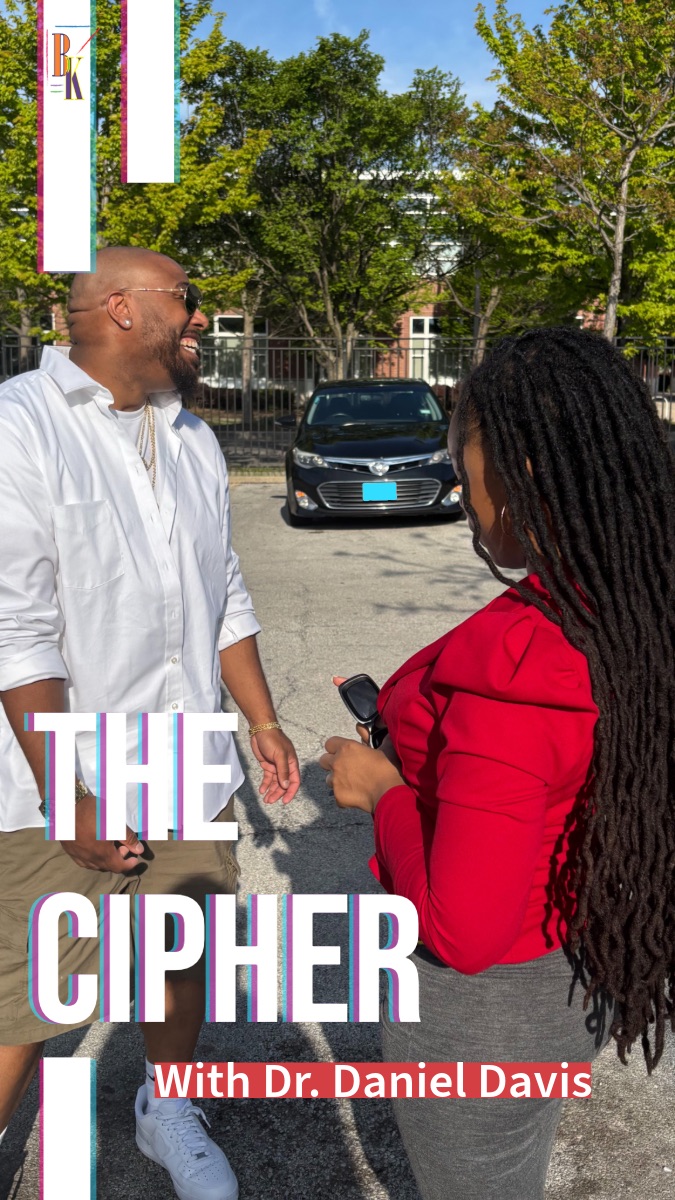
In my new interview series The Cipher & The System I’m going to discussing the state of the culture, the importance of solving our identity crisis and setting a standard for the stewards, creatives, and other associates of Hip Hop that benefit from our Black American culture.

Full video is going through post production, bare with me.

It’s time to set the bar, revolutionize the voice of the culture and if not me then who? Seriously 😒 tho.

From Party to Power: The Political Birth of Hip Hop

What began in the Bronx as a celebration of rhythm, rhyme, and resistance has evolved into a global political force. Hip hop was never just about beats and bars, it was a cry from the margins, a cultural blueprint for survival in the face of systemic neglect.

As pioneers like Afrika Bambaataa and Grandmaster Flash turned block parties into platforms for protest, the culture began to birth its own consciousness. From the raw social critiques of Public Enemy to the electoral mobilizations led by artists and organizers today, hip hop continues to shift and our goal is to go back to our roots to use it as a tool to party for power, reminding the world that the mic is mightier than many know.

The Crisis of Identity in the Age of Influence

In a time where virality is often mistaken for value, the Black identity is being reshaped by algorithms and aesthetics more than lived experience and ancestral knowledge.

Hip hop, once a vehicle for self-definition, is now caught between commercialization and cultural reclamation. Who are we beyond the brand deals, trending sounds, and curated lifestyles? This crisis of identity isn’t just a cultural issue, it’s political. It determines who tells our stories, who profits from our pain, and how we define ourselves in the face of erasure and exploitation.

Dr. Daniel Davis on Education, Legacy & Liberation

Dr. Daniel Davis doesn’t just teach African American history, he embodies its living legacy. A leading voice on culturally relevant pedagogy, Dr. Davis believes education is the first site of liberation. In this exclusive interview, he shares why hip hop is not only a genre but a pedagogy, and how understanding our past is key to shaping our political and cultural future. His work centers the value of legacy, not as nostalgia, but as fuel for the fight for equity, self determination, and generational power.

Can We Build Cultural Institutions That Don’t Exploit Us?

Too many institutions built on Black creativity have failed Black communities. Whether in academia, music, media, or the nonprofit sector, the pattern is familiar: our genius is extracted, repackaged, and sold back to us, often without ownership, authorship, or autonomy.

It’s time to ask the hard questions: Can we build spaces where cultural integrity outweighs commercial interest? Where our narratives are protected, not commodified? Where cultural stewards are supported, not silenced? The answer requires both imagination and infrastructure, and a refusal to trade authenticity for access.

The Next Generation Needs Standards, Not Gatekeepers

There’s a difference between preserving culture and policing it. As hip hop enters its fifth decade, we owe the next generation more than nostalgia or elitism.

We owe them standards anchored in ethics, excellence, and historical context. These standards aren’t meant to stifle creativity but to safeguard legacy. Instead of gatekeepers, we need mentors, archivists, and architects, those who understand that true cultural preservation happens not by exclusion, but by elevation.

The youth are watching. Let’s give them more than permission, we must give them principles.

If we don’t teach the history of Hip Hop, we leave its future in the hands of people who never lived it.

Dr. Daniel Davis

Fat Money Levels Up: From Donda 2 Collaborator to CincoDeToven with Zaytoven

Chicago–Fat Money (formerly Ty Money), a prominent Harvey-Chicago rapper and lyricist, continues to make significant strides in the hip hop scene. Renowned for his sharp lyricism and deep rooted Chicago influences, Fat Money has been a consistent presence in the industry since 2014, releasing multiple studio albums and mixtapes.

In 2022, Fat Money collaborated with Kanye West on the Donda 2 album, contributing as a co-writer and recording several reference tracks for both released and unreleased songs. This collaboration not only showcased his versatility but also solidified his position among hip-hop’s elite with a sought after swag & sound. He’s also worked with Snoop Dogg & Dr. Dre.

Building on this momentum, Fat Money has unveiled his latest project, CincoDeToven, a collaborative effort with legendary producer Zaytoven. This release is part of his annual CincoDeMoney series, traditionally launched on Cinco de Mayo. CincoDeToven blends Fat Money’s incisive storytelling with Zaytoven’s signature trap symphonies, offering a fresh yet familiar soundscape for fans.

Meanwhile, Kanye West’s Donda 2 has been at the center of several legal disputes. The album, initially released exclusively through West’s $200 Stem Player device, faced challenges due to its unconventional distribution method. Producers like ATL Jacob, who worked on tracks such as “Pablo,” “Keep It Burning,” and “Louie Bags,” have reported not receiving payment for their contributions, citing confusion over royalty distributions stemming from the album’s release strategy. 

Additionally, West faces multiple lawsuits over unauthorized samples used in Donda 2. Notably, Ultra International Music Publishing sued him for allegedly sampling Marshall Jefferson’s 1986 track “Move Your Body” without permission in the song “Flowers.”  Another lawsuit by Artist Revenue Advocates LLC claims that West misused music created by several artists in his songs “Hurricane” and “Moon” without proper authorization. 

Despite these controversies, Fat Money’s trajectory remains upward. His collaboration with Zaytoven on CincoDeToven and his involvement in high-profile projects like Donda 2 underscore his growing influence and commitment to pushing creative boundaries in hip-hop. Listen, purchase, and save the project here.

Triple B:✨ Transformational Branding: More Than Just Marketing ✨

In today’s world, it’s not enough to blend in and play it safe. The secret to standing out isn’t in chasing trends or shouting louder than everyone else, it’s in being unapologetically authentic.

As a transformational branding consultant, I specialize in helping businesses and professionals unlock their unique voice and energy to create authentic initiatives, messages, and content that don’t feel like ads but still get results. It’s about crafting experiences that resonate deeply with your audience, building trust, and creating lasting connections.

Chris Do of The Futur with a a strategy that will transform your business this 2025!

Here’s what I believe:


💡 Authenticity automatically sets you apart. When you embrace who you truly are: your values, your purpose, your vision; you don’t need to force attention. Your uniqueness is your advantage.


💡 Strategy beats energy leaks. Stop scattering your efforts across trends that don’t align with your goals. Instead, channel your energy strategically to amplify your strengths, attract the right opportunities, and build sustainable momentum. (Note to self!)


💡 Purposeful messaging over flashy ads. Consumers can spot insincerity a mile away. I help my clients design branding initiatives that not only feel real but are real, not forced, aligning every word, visual, and action with the heart of their brand.

If you’re ready to break free from the noise, create authentic impact, and build a brand that speaks for itself, let’s connect. Together, we’ll transform your brand into a bold, strategic, and authentic reflection of your purpose.

Mastering Email Etiquette: A Guide for Social Entrepreneurs, Students, and Emerging Leaders

In today’s fast-paced digital world, email remains one of the most essential tools for building connections, driving initiatives, and closing deals. Whether you’re a social entrepreneur pitching your latest venture, a college student reaching out to a professor, or a business owner collaborating with partners, mastering email etiquette is critical to making a strong and lasting impression.

As a communications generalist and account executive with experience in branding, marketing, and public relations, I know how vital it is to communicate effectively, especially when representing yourself or your organization. Below are actionable tips tailored to those looking to elevate their email communication.

  1. Be Intentional with Your Subject Line

Your subject line is like the headline of a news article—it needs to grab attention while being clear and concise.
    •    For Entrepreneurs:
“Collaboration Opportunity: Enhancing Community Impact Together”
    •    For Students:
“Request for Feedback on Internship Proposal”

A strong subject line sets the tone for the email and helps the recipient prioritize your message.

  1. Use a Friendly Yet Professional Greeting

Address your recipient by name whenever possible. Personalization shows effort and respect, especially when reaching out to someone new.
    Example:
“Dear Dr. Johnson,” (formal)
“Hi Alex,” (semi-formal)
“Hello Team,” (group email)

Avoid generic greetings like “To Whom It May Concern,” which can feel impersonal.

  1. Get to the Point Quickly

Whether you’re proposing a collaboration, asking for advice, or updating someone on a project, respect their time by getting straight to the point.
    • Before:
“My name is Briyana Kelly, and I’m writing to introduce myself and share a little about my background and why I think we’d be a good fit to work together.”
    • After:
“I’m Briyana Kelly, the founder of FEED THE HOOD NFP. I’m reaching out to discuss a potential collaboration on {Specific Project}. Let me know if you’d be available for a 15-minute call this week.”

  1. Show Your Value

When reaching out to potential collaborators, mentors, or clients, briefly explain why you’re reaching out and what’s in it for them.
    •    For Social Entrepreneurs:
“Our nonprofit specializes in workforce development for marginalized communities, and I’d love to explore how we can partner with your organization to expand your impact.”
    •    For College Students:
“I admire your work in [specific area] and would appreciate the opportunity to learn from your experience through a brief informational interview.”

  1. Be Polite and Mindful of Tone

Your tone can make or break your email. Strike a balance between professionalism and approachability.
    •    Use polite phrases like:
    •    “I would appreciate it if…”
    •    “Would you mind sharing…”
    •    “Thank you for your time and consideration.”
    •    End with a positive closing, such as:
    •    “Looking forward to hearing from you!”
    •    “Thank you for your support!”

  1. Proofread for Clarity and Grammar

A polished email reflects your attention to detail, which is especially important for entrepreneurs pitching ideas or students applying for opportunities. Before hitting send:
    •    Check for typos or grammatical errors.
    •    Ensure your tone aligns with the purpose of your email.
    •    Confirm you’ve included the correct names, dates, and attachments.

  1. Include a Clear Call-to-Action (CTA)

Your recipient should know exactly what you need from them and when.


      Examples of CTAs:


    •    “Please let me know if you’re available for a meeting next week.”
    •    “Kindly review the attached proposal and share your feedback by Friday.”
    •    “I’d appreciate it if you could connect me with someone from your team who handles partnerships.”

  1. Attach Files and Links Thoughtfully

If you’re including an attachment or link, mention it in the body of your email so the recipient knows what to look for.
    •    Example:
“I’ve attached our most recent annual report for your review. You’ll find details on our impact metrics on page 5.”

Always double-check that you’ve attached the correct file or included the right link before sending.

  1. Use “Reply All” and CC Sparingly

If you’re part of a group email thread, only use “Reply All” when everyone truly needs to see your response. Avoid clogging inboxes with unnecessary replies.

  1. End with a Professional Signature

Your email signature should be simple but informative, especially if you’re an entrepreneur or college student looking to establish credibility.
    •    For Entrepreneurs:
[Your Full Name]
Founder, [Organization Name]
[Phone Number] | [Email Address] | [Website]
    •    For Students or Recent Graduates:
[Your Full Name]
[University Name], Class of [Year]
[Email Address] | [LinkedIn Profile Link]

  1. Timing is Everything

Send your emails during regular business hours to increase the likelihood of a timely response. If your recipient is in a different time zone, consider scheduling your email accordingly.


Why Email Etiquette Matters for Your Audience

For social entrepreneurs, college students, and emerging leaders, every email is an opportunity to build relationships, showcase professionalism, and leave a positive impression. Thoughtful, well-crafted emails not only demonstrate respect for the recipient’s time but also position you as someone worth engaging with whether you’re pitching a new idea, applying for an internship, or seeking mentorship.

By following these tips, you’ll enhance your communication skills and open doors to meaningful collaborations, funding opportunities, and career growth.

Would you like personalized examples or templates tailored to your industry? Let’s take your email communication to the next level!