CSJ Legal Brief | United States v. Lil Durk: The Witnesses, the Million-Dollar Allegation and the Evidence Behind the Acquittal

Chicago Street Journal | Urban Culture & Affairs | Courts & Criminal Justice

Case: United States v. Durk Banks, et al.
Court: U.S. District Court for the Central District of California
Case No.: 2:24-cr-00621-MWF
Presiding Judge: U.S. District Judge Michael W. Fitzgerald
Verdict: September 11, 2026

Question Presented

How did federal prosecutors build a murder-for-hire prosecution around cooperating insiders, travel, money, electronic communications and other evidence and still fail to prove beyond a reasonable doubt that Chicago rapper Durk “Lil Durk” Banks participated in the charged murder-for-hire conspiracy?

And underneath that question is another:

What did the government’s evidence actually prove, as opposed to what witnesses and prosecutors said that evidence meant?

That distinction is at the center of this case.


Short Answer

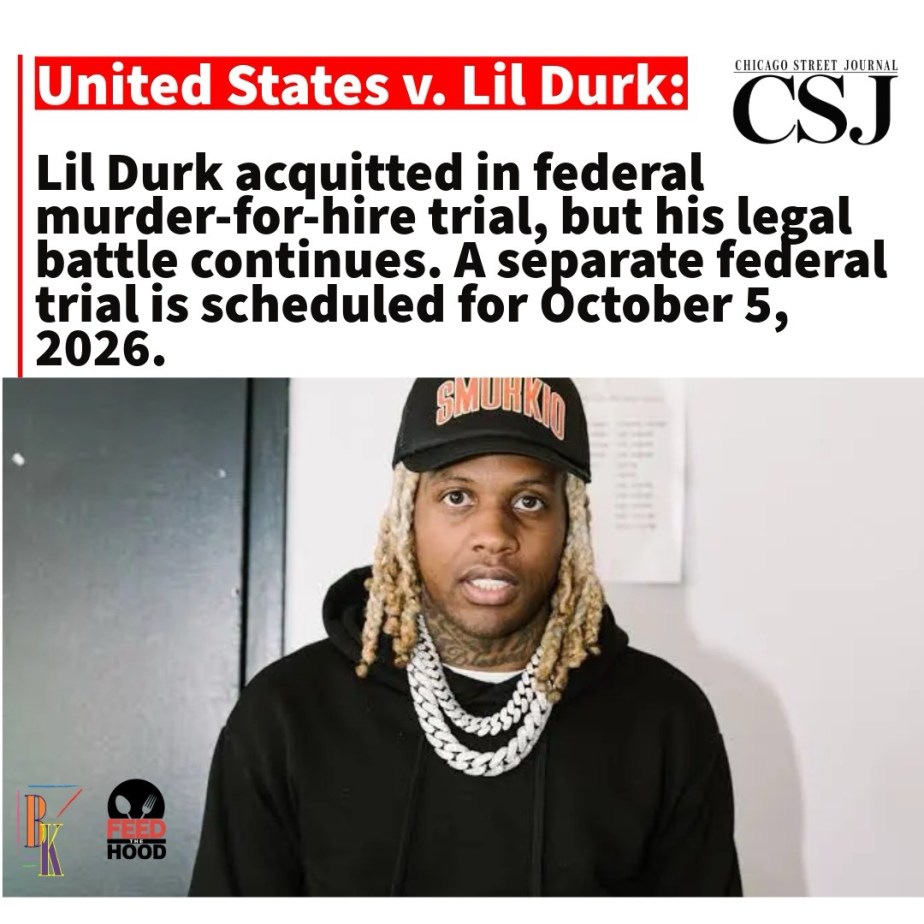
On September 11, 2026, a federal jury acquitted Durk Banks on all charges arising from the government’s prosecution of an alleged 2022 murder-for-hire plot targeting rapper Tyquian “Quando Rondo” Bowman.

Banks’s co-defendants Deandre “DeDe” Wilson and David “Browneyez” Lindsey were also acquitted of the murder-for-hire allegations, but the jury convicted Wilson and Lindsey of conspiracy to commit stalking, stalking with a dangerous weapon and stalking resulting in death. The jury deliberated for three days. (AP News)

That split verdict is significant.

The jury was willing to find criminal responsibility for portions of the underlying conduct while declining to find Banks guilty of the offenses charged against him.

The verdict does not establish that every government witness lied. It does not tell us that jurors accepted every defense argument. Nor does it establish that Banks knew nothing about the events surrounding the shooting.

It establishes something narrower and legally critical:

Federal prosecutors did not prove Banks guilty of the charged offenses beyond a reasonable doubt.

Understanding why requires looking past the headline and examining the structure of the government’s case.


I. STATEMENT OF FACTS

From King Von’s Death to the Los Angeles Shooting

The government’s case originated in the aftermath of the November 2020 killing of Chicago rapper Dayvon “King Von” Bennett.

Federal prosecutors alleged that Banks sought retaliation against Quando Rondo, whose associate was involved in the Atlanta confrontation that resulted in Bennett’s death.

Nearly two years later, on August 19, 2022, gunmen attacked Bowman’s group near the Beverly Center in Los Angeles.

Bowman survived.

His cousin, Saviay’a “Lul Pab” Robinson, was killed.

Prosecutors alleged that Banks orchestrated a murder-for-hire plot targeting Bowman and that people associated with his Only The Family organization traveled to California and participated in the operation.

Banks pleaded not guilty.

His defense maintained that Banks did not order the killing and sought instead to place responsibility for organizing the attack on his former assistant, Kavon “Vonnie” Grant.

After approximately two weeks of testimony and three days of deliberations, the jury acquitted Banks. (AP News)

That chronology establishes the background.

It does not, by itself, establish who ordered the attack.

That was the disputed question the government had to prove.


II. WHAT THE GOVERNMENT HAD TO PROVE

Understanding the verdict requires understanding the actual law.

Federal murder-for-hire is governed principally by 18 U.S.C. § 1958.

The Ninth Circuit’s model criminal jury instruction identifies three fundamental elements the government must prove beyond a reasonable doubt.

First, the defendant must use, cause another person to use, or conspire to use a facility in interstate or foreign commerce or engage in the corresponding interstate travel covered by the statute.

Second, the defendant must act with the intent that murder be committed.

Third, the defendant must intend that the murder occur in exchange for something of pecuniary value. (Ninth Circuit Court)

That third requirement deserves attention.

“Murder-for-hire” doesn’t necessarily require completed payment.

Under federal law, “pecuniary value” can encompass money, commercial interests or other things whose primary significance is economic advantage. Ninth Circuit authority also recognizes that a promise of economic advantage can qualify even when the promise isn’t legally enforceable. (Ninth Circuit Court)

Therefore, the simplistic argument:

“Nobody got paid, so there couldn’t have been murder-for-hire”

……is legally incomplete.

But the opposite shortcut is equally problematic.

The government still had to establish the required connection between the murder and the alleged economic bargain.

As the Ninth Circuit instruction explains, the defendant must clearly understand that the thing of economic value would be given or received in exchange for the murderous act. (Ninth Circuit Court)

In plain English:

Where was the bargain?

Who offered what?

To whom?

What was promised?

What evidence established the agreement?

And most importantly for Banks:

What evidence proved that Banks knowingly participated in that bargain?

Those questions bring us to the government’s witnesses.


III. THE GOVERNMENT’S THEORY

Prosecutors did not present the alleged conspiracy as one isolated conversation.

They assembled a circumstantial and testimonial case.

The government pointed to relationships among Banks and members or associates of OTF; interstate travel; lodging and transportation; financial resources; electronic communications; the movements of alleged participants; and testimony from people who admitted participating in the events surrounding the attack.

Prosecutors argued that these pieces formed one picture:

Banks wanted retaliation, supplied or enabled resources, and directed people around him toward killing Quando Rondo.

One of the government’s most consequential witnesses was Banks’s former assistant, Kavon Grant.

Grant admitted participating in the August 2022 attack and testified that he did so because:

“Durk told us to.”

That is direct testimonial evidence of the government’s theory, but it still depended on jurors believing Grant. (LA Magazine)

And Grant wasn’t the government’s only insider.


IV. THE DEFENSE THEORY

Banks’s lawyers did not need to prove who actually masterminded the shooting.

The burden remained with the government.

But the defense supplied jurors with an alternative explanation.

It portrayed Grant, not Banks, as the person responsible for organizing the attack and argued that cooperating witnesses had powerful incentives to transfer responsibility upward to Banks.

The defense attacked the credibility of witnesses who admitted criminal participation and subsequently cooperated with federal prosecutors.

That created a recurring evidentiary question:

When does insider testimony become proof, and when does it remain an accusation requiring stronger independent corroboration?

The prosecution could establish that an associate traveled.

It could establish that someone rented a vehicle.

It could establish that money changed hands.

It could establish that a cellphone traveled from one location to another.

But those facts still had to be connected to Banks’s intent and agreement to commit the particular crimes charged.

The government’s case therefore depended not simply upon proving events.

It depended upon proving what those events meant.


V. THREE INSIDERS

Three cooperating witnesses became especially important to understanding the prosecution:

  • Kavon “Vonnie” Grant
  • Kacey “OTF Jam” Hester
  • Keith “Flacka” Jones

Their importance creates both strength and vulnerability for the government’s case.

An insider can provide information an outside witness could never know.

But cooperating witnesses may also face their own criminal exposure and potential sentencing consequences.

That doesn’t make their testimony inherently false.

It makes credibility, motive and corroboration especially important.

The jury ultimately heard the insiders’ accounts alongside the government’s independent evidence and the defense’s challenges to their credibility.

And then it acquitted Banks.


VI. THE FLACKA QUESTION: WHO IS KEITH JONES?

Keith Jones is particularly important because his position in the prosecution changed.

Jones, also known as “Flacka,” was not originally merely a witness against Banks.

He was a defendant.

He was charged in connection with the same alleged murder-for-hire scheme before later pleading guilty and becoming a government witness.

By the time of Banks’s trial, Jones was testifying for the prosecution about an operation in which he acknowledged participating. Courtroom reporting confirms that Jones testified immediately before Grant. (LA Magazine)

That history explains something that can look suspicious when documents from different stages of the prosecution are compared.

Jones can appear prominently among defendants in earlier case materials but not alongside Banks among the defendants whose guilt the September 2026 jury was deciding.

Based on the public evidence reviewed for this brief, that does not establish that Jones was secretly erased or “wiped” from the federal case.

His procedural status changed.

Defendant → guilty pleader → cooperating government witness.

That distinction is important enough that Chicago Street Journal is treating Jones’s plea and cooperation history as a separate reporting question rather than assuming what happened from changing document captions alone.


VII. THE $1 MILLION ALLEGATION

One allegation has traveled particularly far outside the courtroom:

Lil Durk allegedly placed a $1 million bounty on Quando Rondo.

But journalism requires us to ask:

Who actually heard what?

Jones’s testimony, as reported from the courtroom, was not simply that Banks personally approached Jones and offered him $1 million.

Reporting on the testimony describes Jones saying that Deandre “DeDe” Wilson told him Banks was offering $1 million for Quando Rondo’s killing. (XXL Mag)

The evidentiary chain being described is not simply:

Banks → Jones

It is:

Banks allegedly → Wilson allegedly → Jones.

Therefore, saying:

“Flacka testified that Durk personally offered him $1 million”

would overstate what Jones reportedly testified to.

The more precise formulation is:

Jones testified that Wilson told him Banks had offered a $1 million bounty.

Precision isn’t semantics here.

It’s evidence.


VIII. THE PAYMENT PROBLEM

Jones also testified about what happened after the attack.

According to courtroom reporting, Jones said he repeatedly sought compensation but Banks never paid him for his participation in the attempted attack. (XXL Mag)

Again, that does not automatically defeat a § 1958 prosecution.

Federal murder-for-hire law can encompass a promise or agreement involving economic value even if the promised benefit isn’t ultimately delivered. (Ninth Circuit Court)

But it creates an obvious evidentiary question:

If this was murder-for-hire, what evidence establishes the hire?

The prosecution didn’t necessarily need a canceled check marked “Quando hit.”

Criminal conspiracies rarely arrive gift-wrapped.

But prosecutors still needed evidence from which jurors could find the required economic agreement beyond a reasonable doubt, and Banks’s participation in it.

That makes the absence of a completed payment only part of the story.

The larger issue is whether the testimony, communications, money and other evidence sufficiently established the bargain itself.


IX. WHAT WAS CORROBORATED?

This may be the most important question in the entire case.

Strip away conclusions for a moment.

The government had evidence capable of establishing significant surrounding events and relationships.

It also had participants willing to tell jurors what they said those events meant.

But those are two different categories of evidence.

Suppose independent records establish that Person A flew from Chicago to Los Angeles.

That proves travel.

Suppose financial records establish that Person B paid for a hotel.

That proves a financial transaction.

Suppose cellphone data places Person C near a particular location.

That can establish location.

But none of those facts automatically answers:

Who ordered a murder?

The prosecution’s cooperators supplied crucial connective tissue.

Grant supplied perhaps the most direct version when he testified:

“Durk told us to.” (LA Magazine)

The defense consequently had an obvious strategic target:

the credibility of the people supplying the connection between Banks and the crime.

That’s why this case cannot be understood merely by counting how many pieces of evidence prosecutors introduced.

The better question is:

Which pieces independently established Banks’s criminal intent, and which pieces acquired their incriminating meaning primarily through a cooperating witness’s interpretation?

That question deserves a document-by-document examination.


X. THE VERDICT

On September 11, the jury returned its answer to the charges.

Banks was acquitted on all counts.

Wilson and Lindsey were acquitted of the murder-for-hire-related charges but convicted of conspiracy to commit stalking, stalking with a dangerous weapon and stalking resulting in death. (AP News)

The split verdict is worth studying.

Jurors were plainly capable of convicting defendants before them.

They did.

But they did not convict Banks.

That does not permit us to reverse-engineer the jury room and declare exactly which witness jurors believed or disbelieved.

A general verdict doesn’t provide that information.

What we can say is:

After hearing the government’s evidence and the defense’s challenges, the jury concluded that prosecutors had not proven Banks guilty of the charged offenses beyond a reasonable doubt.

Anything more specific requires evidence of the jurors’ reasoning that we presently do not have.


XI. WHAT THE VERDICT DOES NOT MEAN

This matters because criminal verdicts routinely get flattened on social media.

Not guilty does not mean “the jury proved he was innocent.”

The defendant doesn’t carry the burden of proving innocence.

The government carries the burden of proving guilt.

Likewise, the acquittal does not establish:

that every cooperator lied;

that every government allegation was fabricated;

that nothing criminal happened;

or

that everyone surrounding Banks was innocent.

In fact, the same jury convicted Wilson and Lindsey on stalking-related offenses. (AP News)

The legally accurate conclusion is considerably simpler:

The government did not prove its charges against Banks beyond a reasonable doubt.


XII. THE QUESTION AFTER THE ACQUITTAL

The verdict leaves us with a better journalistic question than:

“Did Durk do it?”

The question is:

Where did the government’s evidentiary bridge fail?

Was it cooperating-witness credibility?

Was it insufficient independent evidence establishing who gave the alleged order?

Was the million-dollar allegation too dependent upon communications passed through other people?

Did the financial evidence establish spending without sufficiently establishing a murder-for-hire bargain?

Could prosecutors establish the actions of the participants without proving Banks knowingly joined their criminal agreement?

Did jurors accept some government evidence but reject the inference prosecutors wanted them to draw from it?

Or did several of these problems converge?

The verdict itself doesn’t tell us.

The record might.


XIII. HIP-HOP ON TRIAL

There is another story underneath United States v. Banks.

It concerns what happens when hip-hop culture enters a federal courtroom.

Relationships become evidence.

Lyrics can become evidence.

Slang becomes something lawyers ask jurors to interpret.

Record-label and entourage finances can become potential evidence.

Travel becomes evidence.

Social-media posts become evidence.

The actions of employees, friends and associates can become evidence offered against an artist alleged to occupy a leadership position.

None of those categories is automatically legitimate or illegitimate evidence.

The journalistic responsibility is to distinguish between:

what the evidence objectively establishes

and

the interpretation prosecutors or defense attorneys ask a jury to place upon it.

That’s particularly important when jurors may not share the cultural vocabulary of the people whose communications they’re evaluating.

A lyric can have meaning.

A slang term can have meaning.

An artist paying an associate’s expenses can have meaning.

But determining what those things prove in a criminal prosecution requires considerably more than recognizing that they sound suspicious.

There is a difference between cultural interpretation and legal proof.

This case sits directly at that intersection.


XIV. LEGAL TERMS IN PLAIN ENGLISH

Indictment

A formal criminal accusation returned by a grand jury. An indictment states what prosecutors allege. It is not evidence that the allegations are true.

Superseding Indictment

A replacement indictment. Prosecutors may use one to add, remove or modify defendants, charges or factual allegations.

Defendant

A person formally accused of a crime in the case.

Co-defendant

Another person charged in the same prosecution or related proceeding.

Cooperating Witness / Cooperator

Someone who provides information or testimony to prosecutors. Cooperators are sometimes themselves charged with crimes and may hope their assistance will be considered when they’re sentenced.

Cooperation does not automatically make testimony true or false.

Plea Agreement

An agreement under which a defendant agrees to plead guilty under specified terms. Some plea agreements also contain cooperation obligations.

Conspiracy

In general terms, an agreement between people to commit a criminal offense.

A defendant doesn’t necessarily have to personally perform every act of the underlying crime to face conspiracy liability. But mere friendship or association with someone who commits a crime isn’t itself enough to establish participation in a conspiracy.

Murder-for-Hire | 18 U.S.C. § 1958

The federal offense at the center of this prosecution.

Under the Ninth Circuit model instruction, prosecutors must establish the required interstate-commerce component, intent that murder be committed, and intent that the murder occur in exchange for something of pecuniary value. (Ninth Circuit Court)

Pecuniary Value

Something primarily carrying economic value or advantage.

That can include money, commercial interests and other economically valuable benefits. (Ninth Circuit Court)

Quid Pro Quo

Literally, “something for something.”

In the murder-for-hire context, the important concept is an exchange: the economic benefit is connected to the requested murder rather than being unrelated generosity or ordinary financial activity.

Direct Evidence

Evidence that directly addresses a fact if believed.

Grant’s testimony that “Durk told us to,” for example, directly alleges an instruction. (LA Magazine)

Whether a jury believes the witness is a separate question.

Circumstantial Evidence

Evidence from which another fact can reasonably be inferred.

Travel records, location data and financial transactions can all be circumstantial evidence.

Circumstantial evidence is not automatically inferior to direct evidence.

Corroboration

Independent evidence supporting another piece of evidence or a witness’s account.

If a cooperator says a defendant gave an order, an independently authenticated message expressing that same order could potentially corroborate the testimony.

Hearsay

Generally, an out-of-court statement offered to prove the truth of what it asserts.

But “hearsay” does not automatically mean inadmissible. Federal evidence law contains numerous exclusions and exceptions, including rules that can apply to statements made during and in furtherance of a conspiracy.

Impeachment

Evidence or questioning used to challenge a witness’s credibility.

Prior inconsistent statements, certain biases, motives and other credibility issues can become subjects of impeachment.

Cross-Examination

Questioning of a witness by the opposing side.

Cross-examination allows lawyers to challenge what the witness remembers, whether accounts have changed and whether the witness has motives affecting credibility.

Beyond a Reasonable Doubt

The government’s burden of proof in a criminal prosecution.

The government must establish every required element of an offense beyond a reasonable doubt.

The defendant does not have to prove innocence.

Acquittal / Not Guilty

A verdict finding that the government did not prove the defendant guilty beyond a reasonable doubt.

It is therefore incorrect to automatically translate an acquittal into a factual finding about everything that did or did not happen.

Split Verdict

A verdict in which jurors reach different conclusions on different defendants or charges.

That’s what happened here: Banks was acquitted, while Wilson and Lindsey were acquitted of murder-for-hire-related allegations but convicted of stalking-related offenses. (AP News)

Severance

The separation of defendants or charges into different trials.

Banks remains in federal custody following this acquittal because he faces a separate trial currently scheduled for October 5 involving murder-related racketeering and weapons allegations. Those remain allegations, and Banks remains presumed innocent of them unless proven guilty. (MarketScreener)


XV. WHAT COMES NEXT

The September 11 acquittal closes one chapter of Banks’s federal prosecution.

It does not end the broader federal case.

Banks remains in custody and, according to the U.S. Attorney’s Office information reported following the verdict, faces another trial scheduled for October 5 on separate murder-related racketeering and weapons charges. (MarketScreener)

For Chicago Street Journal, however, the work on this first trial isn’t finished.

The next phase is the record.

We are examining:

the indictments;

Keith Jones’s plea and transition from defendant to cooperating witness;

the cooperation agreements;

trial and evidentiary briefs;

jury instructions;

the alleged $1 million bounty;

financial records and alleged payments;

travel and lodging evidence;

cellphone and electronic evidence;

witness testimony and impeachment;

and the evidence that independently corroborated, or failed to corroborate, the government’s cooperators.

The objective isn’t to retry Durk Banks in the press.

It is to understand how one of the most consequential federal prosecutions involving a Chicago hip-hop artist was constructed, and why that prosecution did not produce a conviction against him.

Because an allegation isn’t evidence.

Evidence isn’t automatically proof.

And evidence itself can be undisputed while its meaning remains fiercely contested.

The jury has delivered its verdict.

Now we’re going into the documents.


PRIMARY LAW & SOURCE RECORD

U.S. Court of Appeals for the Ninth Circuit – Model Criminal Jury Instruction 16.7, Murder for Hire (18 U.S.C. § 1958). Defines the elements prosecutors must establish and explains “pecuniary value.” (Ninth Circuit Court)

Associated Press – September 11, 2026. Contemporary verdict reporting confirming Banks’s acquittal, the three-day deliberation and Wilson and Lindsey’s stalking convictions. (AP News)

Reuters – September 11, 2026. Independent verdict reporting and confirmation that Banks remains detained pending the separately scheduled October prosecution. (MarketScreener)

Los Angeles Times – September 11, 2026. Courtroom reporting describing the competing prosecution and defense theories and the verdict. (Los Angeles Times)

Los Angeles Magazine – August 31, 2026. Courtroom reporting documenting Kavon Grant’s testimony concerning his participation and his allegation that Banks directed the group. (LA Magazine)

XXL – August 31, 2026. Courtroom reporting concerning Keith Jones’s testimony about the alleged bounty and his claimed attempts to obtain payment. Because these details presently rely on secondary courtroom reporting rather than a certified transcript in this brief, they are attributed accordingly. (XXL Mag)

Editorial Note

This brief distinguishes allegations, witness testimony, attorney arguments and established outcomes. Statements attributed to cooperating witnesses are their testimony, not independent findings by Chicago Street Journal. The September 11 verdict establishes that Banks was acquitted of the charges tried before this jury; it does not independently resolve every disputed factual question raised during the prosecution.

Banks remains in federal custody pending a separate federal trial currently scheduled for October 5, 2026, involving severed murder-related racketeering and weapons charges. Those allegations were not decided by the September jury, and Banks remains presumed innocent of them unless and until the government proves them beyond a reasonable doubt.

Chicago Street Journal will continue reviewing the court record and following developments in the upcoming prosecution.
Robbins Festival Brought the Community Out, But Did It Bring the Community In?

DEVELOPING STORY | Sept. 7, 2026

I went to Robbins to support 137 Mike Mike. I left wondering why so much of the community appeared to be celebrating outside the gates of its own festival.

I came to support. Not post-and-go support, the real kind. Getting dressed, getting in the car, paying admission, and being physically present. That’s how I show up for people who are building something.

So on September 6th, 2026, I traveled to Robbins with a press associate to catch 137 Mike Mike perform at the Village’s Annual Festival & Parade Weekend.

But what I observed that afternoon raised questions I couldn’t leave alone.

Why Does the Community’s Festival and Parade Cost the Community $20?

The 2026 Village of Robbins Annual Festival & Parade Weekend ran September 4-6. The three-day event featured national, Chicago-area, and local entertainment, DJs, vendors, family activities, and the annual parade. Adult general admission was $20 per day. Children 17 and under could attend for free with a ticketed adult.

Let me be clear: charging for a festival isn’t inherently wrong. Stages, sound, security, sanitation, and artist fees all cost money. But this wasn’t marketed as a privately promoted concert that happened to take place in Robbins. It was promoted as the Village of Robbins Annual Festival & Parade Weekend. That distinction matters.

I searched the publicly available ticketing information and found no advertised free or discounted admission category specifically for Robbins residents.

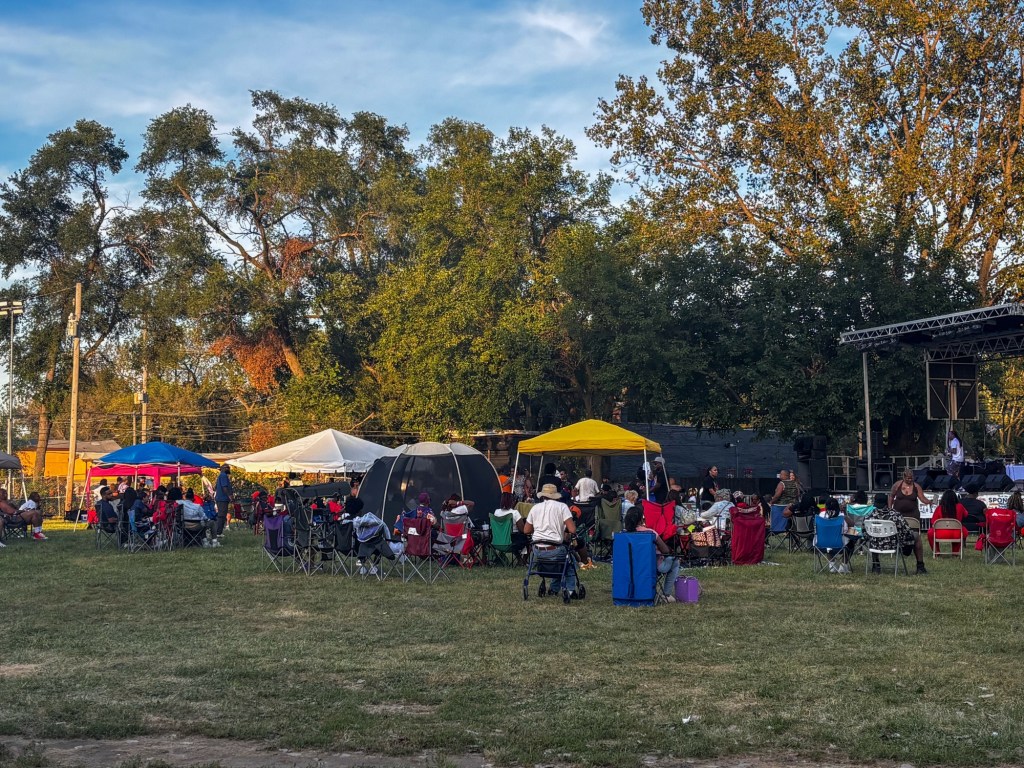
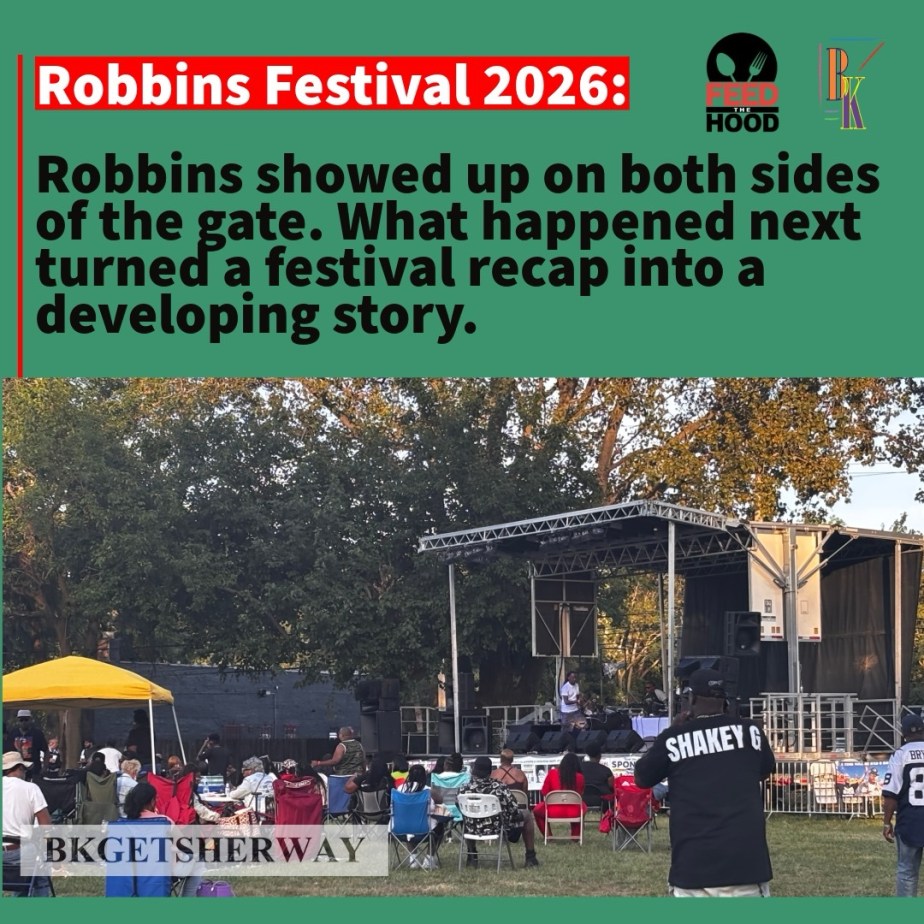
Instead, I found two simultaneous festivals. One was inside the gate: ticketed, organized, vendors, official. The other was outside, with residents, vendors, and neighbors creating their own experience in the spaces around the grounds. The $20 admission and the gate itself physically separated the two.

A festival designed to bring a community together had, from my vantage point, produced a divided crowd.

I don’t know how many people outside chose not to enter because of the price. I don’t know how many had already attended on another day, or simply preferred being outside. Those distinctions require responsible reporting to verify. What I can report is what I personally witnessed: Robbins was active on both sides of the gate. That raises a legitimate question about whether the festival’s financial and physical structure helped create one community celebration or divided an existing one.

The economic-development question surrounding the festival exists against a broader challenge for Robbins. According to the Chicago Metropolitan Agency for Planning’s June 2026 Community Data Snapshot, businesses in Robbins generated about $15.9 million in total retail sales in 2025, or $3,484 per resident. By comparison, retail sales per capita were $23,200 across Cook County. Robbins also has only 13.6 acres classified as commercial land, representing 1.5% of the Village’s total land area.

Then There Were the $15 Wings

We have to talk about the chicken. As many of my subscribers and close friends know, I love Harold’s Chicken.

Harold’s Chicken was vending outside the festival grounds. Four wings for $15 ($12 plus fees and taxes when paying by card). Lemonade was $10 and took nearly 40 minutes to arrive.

Festival pricing is never a surprise in Chicago. But when you’re not even inside the festival and you’re paying more than most residents would spend on a full meal, that’s its own statement about who these economics are actually serving.

The Deeper Question: Where Did the Money Come From?

The question isn’t simply why they charged. The deeper question is:

How was this festival financed, and what did Robbins residents receive from the investment?

This is where the story moves from commentary into reporting. The Village of Robbins organized and promoted the annual festival. But that fact alone doesn’t establish where every dollar came from. The event could have been financed through Village funds, sponsorships, grants, vendor fees, ticket revenue, or some combination of these.

Rather than speculate, Chicago Street Journal is seeking the records.

We are requesting information about the festival’s total budget, Village expenditures, sponsorship revenue, grants, vendor fees, ticket revenue, attendance, contracts, and the ultimate allocation of festival-generated revenue. We’re also asking why the $20 admission price was selected, and whether Robbins residents received, or were considered for, any special admission benefit.

Those answers matter. There is a meaningful difference between a festival primarily financed through private sponsorships and ticket sales and one substantially subsidized through public resources. If public money funded a significant portion of this event, then the question of who benefited and who didn’t becomes a public accountability question.

There are models worth considering. Residents could receive discounted admission. Sponsors could underwrite resident tickets. Daytime community programming could remain free while evening concerts are ticketed. The Village could offer residents wristbands. These aren’t demands; they’re examples of the kinds of structures that allow community access and event revenue to coexist.

Who Was On Stage

The 2026 Robbins Festival featured a full weekend of live entertainment. On the performance side: Keke Wyatt, Danny Boy, Shawnna, El Hitta, and Sean Mac all took the stage. The steppers scene was represented through Club Steppin’, adding a Chicago cultural staple to the weekend’s programming.

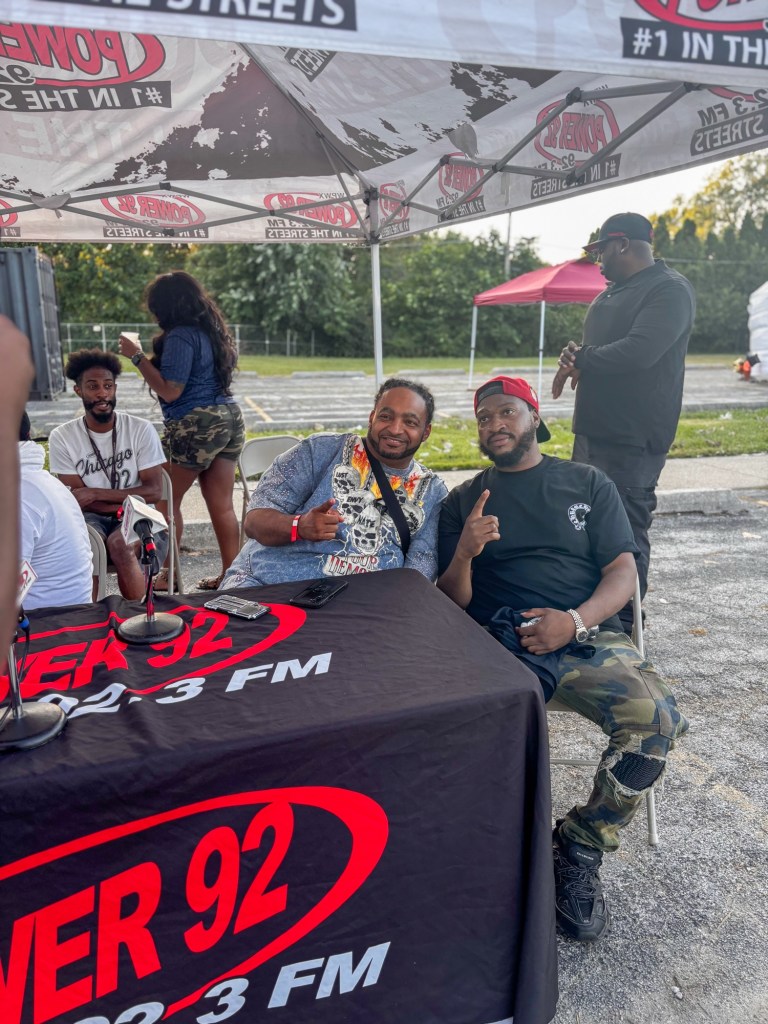
Holding down the DJ sets were DJ Pharris, DJ Sundance, DJ K Caesar, DJ Twenzino, and DJ SYIAH. Power 92 RAW Radio, hosted by Seandale, also had a presence at the festival, bringing the station’s audience into the weekend’s energy.

I Actually Came for 137 Mike Mike

None of this overshadows why I went to Robbins that day. I went to support 137 Mike Mike at the festival, alongside my press associate, Street Certified News.

And I’m glad I went. Community festivals do something larger-ticketed events often can’t: they give local artists a stage in front of the people they’re already building with. Nationally recognized performers sell tickets and draw attention, but local artists are often the ones creating culture in these communities every single day, especially when they’re from the community themselves, like 137 Mike Mike. They’re building audiences one person at a time, making music without major-label budgets, and turning local talent into something that lasts.

I’m currently speaking with 137 Mike Mike about his story, what the “137” represents, his relationship to Robbins and Chicago culture, his experience performing at the festival, and what he’s working toward next. That piece is coming.

What We’re Asking the Village

Chicago Street Journal is seeking answers from Village leadership about who produced the 2026 festival, how much it cost, what portion was supported by public resources, why adult admission was set at $20, whether residents received any admission benefit, how vendors were selected and charged, how much revenue the event generated, and where that revenue goes.

We are also seeking the underlying financial and administrative records through the Illinois Freedom of Information Act.

There may be perfectly reasonable answers. There may also be things worth changing before next year. Either way, Robbins residents deserve the information necessary to make that determination for themselves.

Mayor Darren Bryant has responded to CSJ’s inquiry and will be speaking with us on the record by phone. That’s why this story isn’t finished.

It’s developing. And we’ll follow the money and the answers wherever they lead.


Editor’s Note: This is a developing report based in part on the author’s firsthand observations at the Village of Robbins Annual Festival & Parade Weekend on Sept. 6, 2026. Chicago Street Journal is seeking comment from Village officials and public records concerning festival financing, operations, admission and revenue. Additional reporting, including comments from artist 137 Mike Mike and the Village of Robbins, will be incorporated as it becomes available.

Have information about the 2026 Robbins Festival? Chicago Street Journal welcomes documentation, photographs, receipts, vendor experiences and firsthand accounts from Robbins residents, attendees and participating businesses. Information submitted by sources will be independently evaluated before publication.

Seandale and a Guest at the Festival
Participants inside the gates of the Festival.

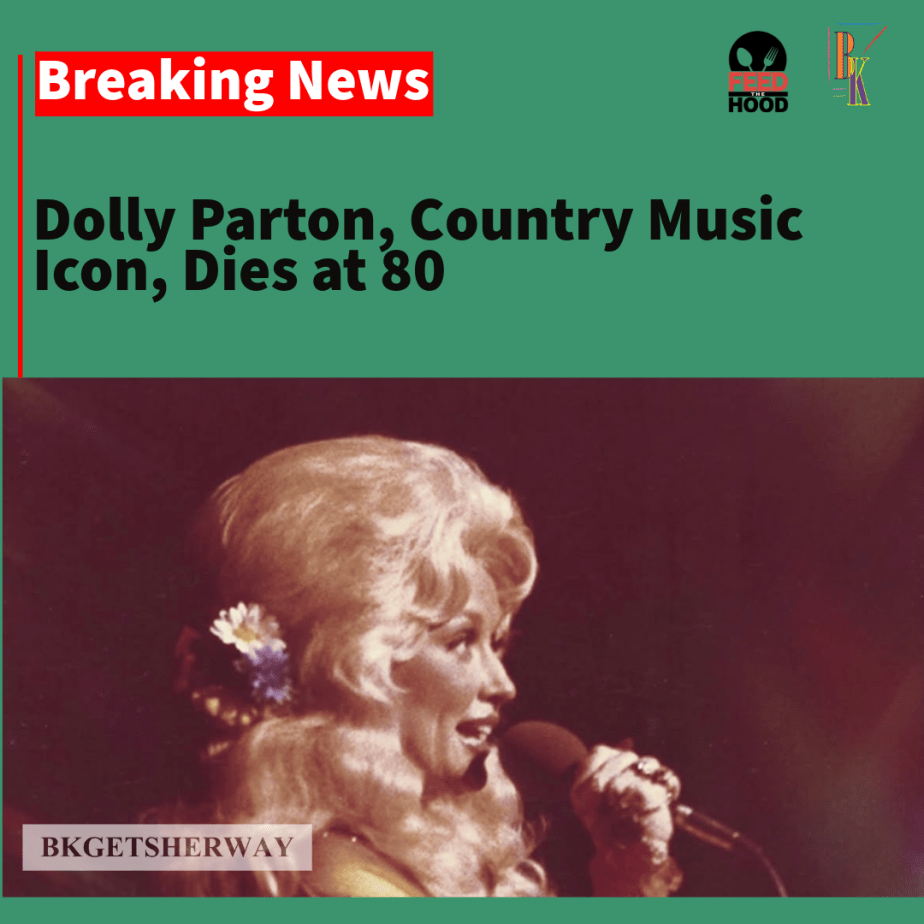
Dolly Parton, Country Music Icon, Dies at 80

NASHVILLE, Tenn. —Dolly Parton, the singer, songwriter and actress who rose from poverty in the Great Smoky Mountains to become one of the most beloved figures in American music, died Tuesday. She was 80.

Parton’s nephew, Brian Seaver, announced her death in a video posted to her Instagram account. He did not disclose a cause of death. Seaver, who has served as her head of security, said the announcement was something Parton had asked him to prepare years in advance.

Parton had spoken publicly in recent months about ongoing health issues. In September 2025, she wrote on Instagram that she was facing health challenges requiring “a few procedures” without elaborating. At Dollywood’s seasonal opening this year, she said she was continuing to recover from “a few little health issues,” including dizziness and dehydration. She had also been open about grieving the March 2025 death of her husband of nearly 60 years, Carl Dean. Ten days before her death, she canceled a scheduled Dollywood appearance on her doctor’s advice.

Born Jan. 19, 1946, in Locust Ridge, Tennessee, Parton was the fourth of 12 children in a family she often described as “dirt poor.” She began singing in church and made her first appearance on the Grand Ole Opry at 13. The day after graduating high school in 1964, she moved to Nashville, where she built a career as a songwriter before emerging as a solo star. She wrote “I Will Always Love You” in 1974 after leaving “The Porter Wagoner Show.”

Over her career, Parton was nominated for 55 Grammy Awards and won 10. Beyond music, she was known for founding the Dollywood theme park and for her Imagination Library, a literacy program that has distributed millions of free books to children worldwide.

News of her death drew tributes from fans and public officials across the political spectrum, with many crediting her music and philanthropy for shaping generations of Americans.

This story is developing. Sources: CNN, NBC News, ABC News, CBC News.

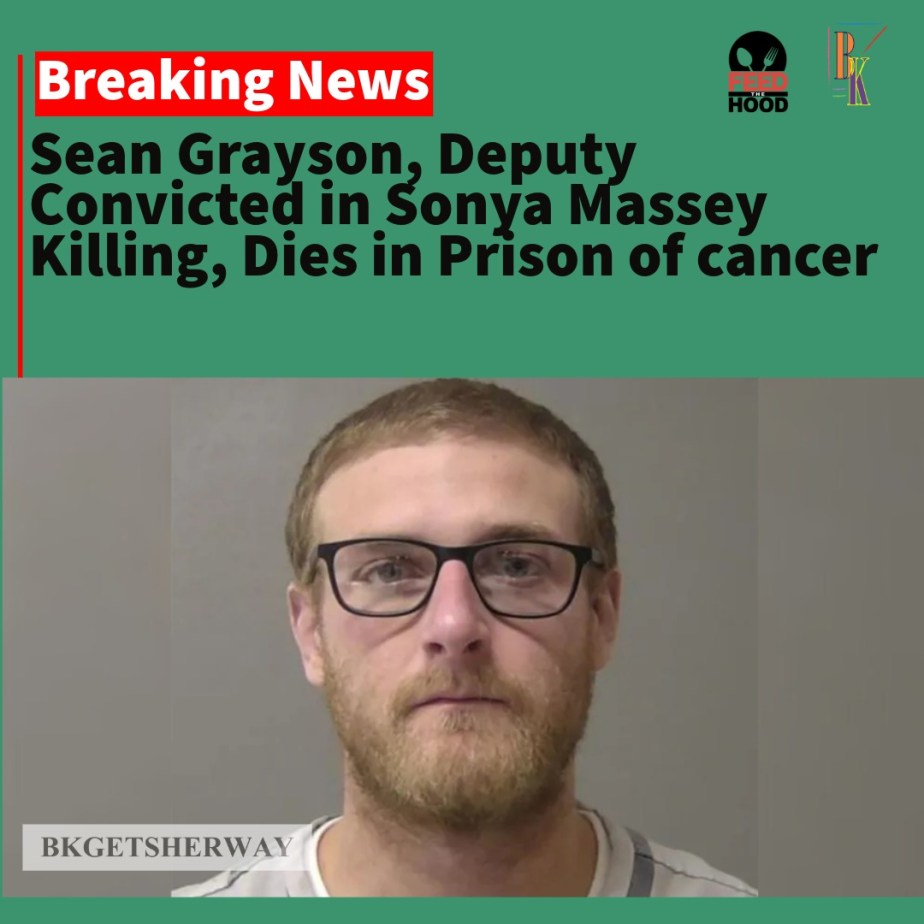
Deputy Convicted in Sonya Massey Killing Dies in Prison

SPRINGFIELD, Ill. — The former Illinois sheriff’s deputy convicted of killing Sonya Massey inside her own home has died while in state custody, his attorney confirmed Sunday, closing out the criminal case in a killing that reshaped policing rules across Illinois.

Sean Grayson, 32, died Aug. 23, attorney Daniel Fultz said, without providing further details. Grayson had stage 4 colon cancer that had spread to his liver and lungs, and he was serving a 20-year sentence for second-degree murder at the time of his death.

His death came about three weeks after the Illinois Prisoner Review Board unanimously rejected his request for early medical release, despite his argument that he was nearing total medical incapacitation.

Grayson shot and killed Massey, 36, inside her Springfield-area home on July 6, 2024, after she called 911 to report a possible prowler outside. Body camera video later showed Grayson and another deputy entering her home, where Massey went to the stove to remove a pot of boiling water. As she held it, she told Grayson she rebuked him “in the name of Jesus.” Grayson drew his weapon and threatened to shoot her in the face, then fired three times as she ducked behind her kitchen counter, apologizing. One round struck her in the face, and she died within hours.

The Sangamon County Sheriff’s Office fired Grayson once the footage came to light. He had moved through several small Illinois police departments before joining the county, some of which had flagged concerns about his judgment. A jury convicted him of second-degree murder in October 2025, down from the original first-degree murder charge, and a judge handed down the maximum 20-year sentence in January 2026, plus two years of mandatory supervised release.

The case triggered protests across the state and drew a civil rights investigation from the U.S. Department of Justice, which later reached an agreement with the sheriff’s office requiring new training and a mobile crisis-response unit for mental health calls. Illinois lawmakers also passed the Sonya Massey Act, which requires police departments to review an applicant’s full work history before hiring them.

In the weeks before Grayson’s death, Massey’s family testified against his release request, arguing his diagnosis didn’t erase the danger he’d shown he was capable of. Sangamon County’s top prosecutor made a similar case to the review board. After news of Grayson’s death broke, relatives said it allowed them to finally begin grieving, since the ongoing legal proceedings had left little room to do so. The family’s attorneys said Massey’s killing was unjustified and that Grayson’s death doesn’t change that loss. A state senator who backed the post-shooting reforms said the community’s continuing push for policy change has offered the family some comfort.

Grayson’s death closes the criminal case, but the reforms his actions triggered look likely to be the more lasting mark on Illinois policing, a legacy shaped less by what happened to him than by what his actions cost Sonya Massey’s family and community.


Sources:

Chicago’s Own: Ta’Rhonda Jones Brings Music, Storytelling & Soul to City Winery Chicago

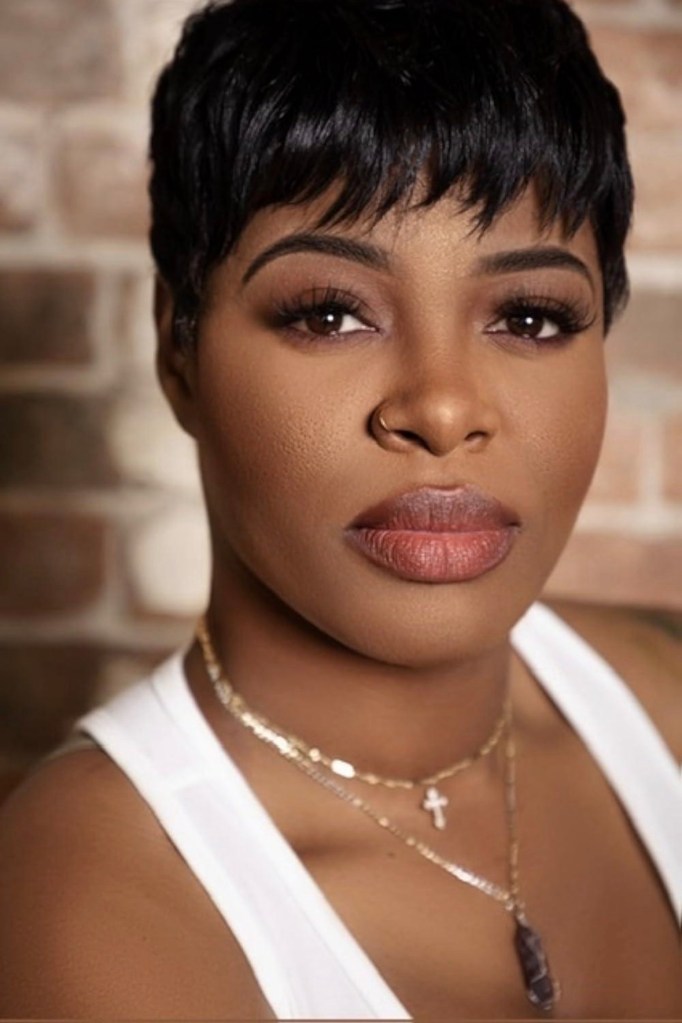
Chicago native and Empire star Ta’Rhonda Jones is set to take the stage at City Winery Chicago on Monday, July 20th at 7:30 PM for a one-night-only evening blending music, storytelling, comedy and candid conversation. Best known for her breakout role as Porsha Taylor on FOX’s hit drama Empire, Jones brings her signature charisma and authentic South Side energy to an intimate live setting that showcases the many sides of her artistry beyond the screen.

Since stepping away from scripted television, Jones has built a second on-screen life as a host, most notably fronting Oprah’s OWN Network reality dating series The Never Ever Mets. The show follows couples who fell for each other online meeting in person for the first time, and Jones, known for her blunt honesty and warmth, guides them through cohabitation and relationship tests with the same grounded, relatable energy that made Porsha a fan favorite. She returned for Season 2, which premiered in spring 2025, cementing her place as one of OWN’s go-to hosts for unscripted storytelling. I’m looking forward to seeing her return to the screen.

The date holds extra meaning: it falls right around Jones’s birthday, and it’s a great gift to give someone who never asks for anything but shares everything. The show is a shared celebration with her fans not just for her Solar Return but for all of her recent milestones. Below is a recent Instagram post announcing the event, she wrote:

“It’s my B(earth)Day! 💫 If you’ve ever wanted to support me, this is the perfect way. Grab your ticket to my @citywinerychi show, celebrate with me, and you’ll automatically be entered into raffles for FREE artist resources… When you pour into me, I get to pour right back into our creative community. Let’s celebrate together. ❤️“

Ticket buyers are entered into a raffle for artist development prizes, including a Billboard placement, a music video, and a Hype Magazine feature and more, tying the night directly to her broader mission of resourcing Chicago’s creative community.

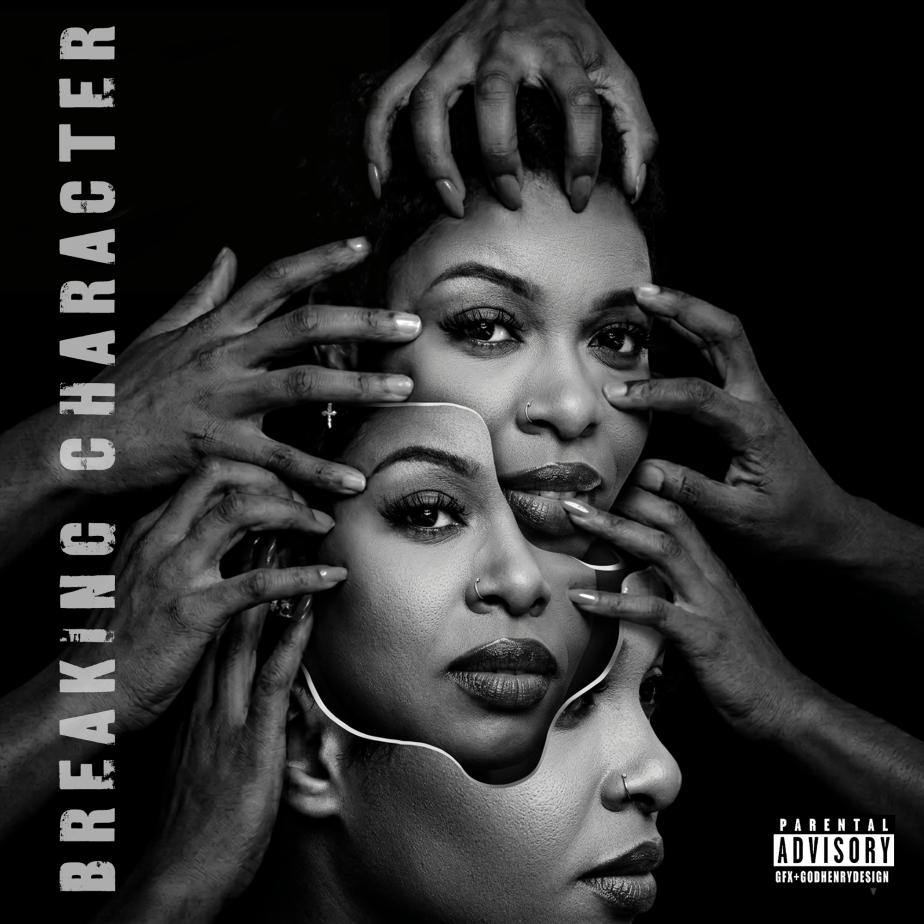
The show comes on the heels of her latest album, Breaking Character, released June 6th. The 13-track project features collaborations with Teefa, SandyRedd, Joel Q, GLC, VAADI, Nathan Palmer, Mg Marz, and Philmore Greene, and has already drawn praise for its intentionality and cohesion, critics note the album’s replay value and the way its sequencing carries listeners through themes of identity and self-presentation. Fan-favorite tracks include “Villian” and “Feeling Good, Feeling Great.”

My favorites are “ Villain” , “Menace”, “Let Me Talk to Myself”, and “Favor on My Soul”.

Ta’Rhonda performing “Let Me Talk To Myself”

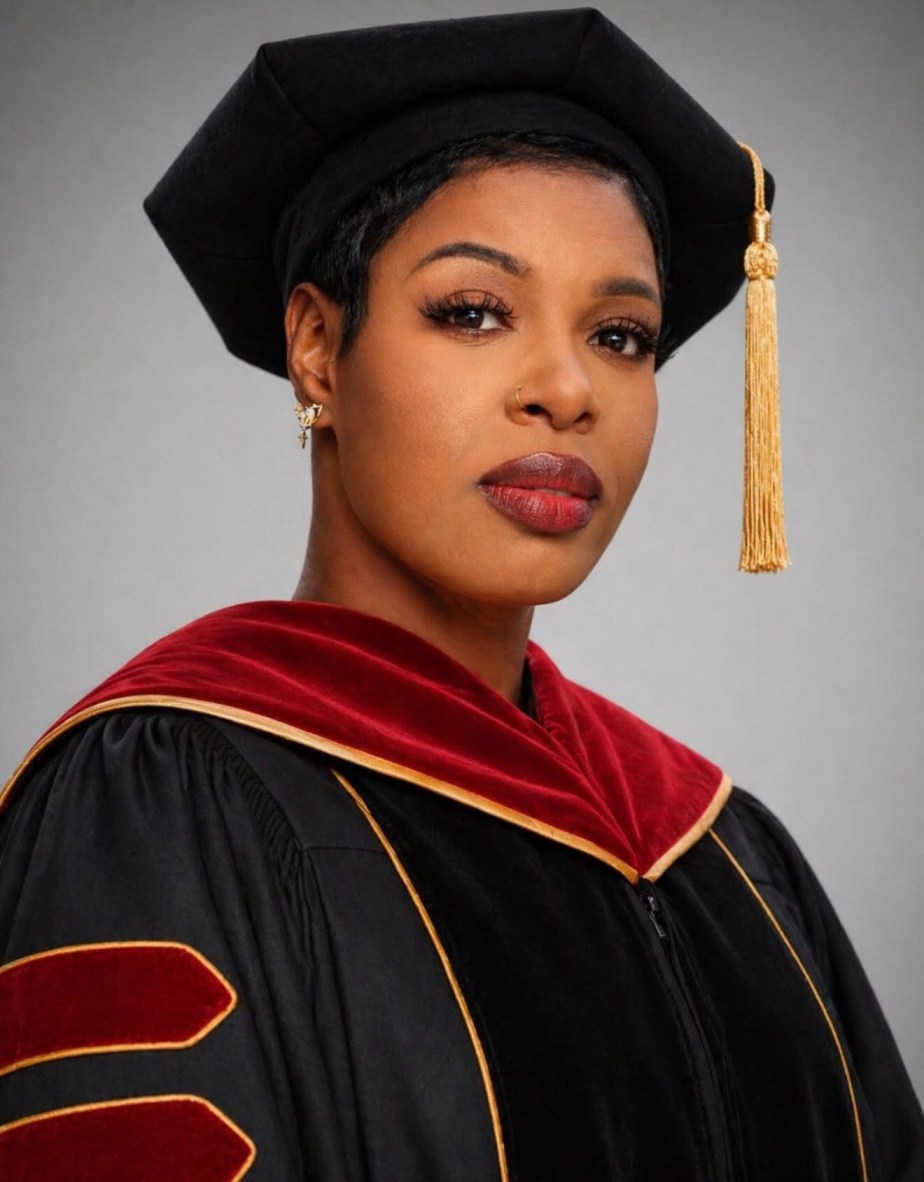
Jones’s Chicago roots run deep. Beyond acting and music, she’s the founder of the S.E.E.D. Foundation, a nonprofit dedicated to funding, mentoring, and resourcing emerging Chicago creatives through grants, studio access, and hands-on programming. Her impact will be formally recognized this year when she receives an Honorary Doctorate Degree in Humanity from Leaders Esteem Christian Bible University at its Fall Graduation Ceremony on August 23, 2026, in Atlanta. Announcing the honor, Jones reflected: “This isn’t just a title. It’s a testament… Y(our) FLYNESS… Dr. Ta’Rhonda Jones.”

Doors open at 6:00 PM at City Winery Chicago, 1200 W. Randolph St. Tickets are available now via City Winery’s box office.


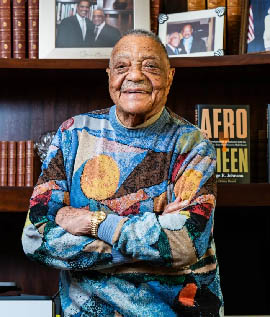
George Johnson, Hair Care Industry Pioneer, Dies at 99

CHICAGO (AP) – George E. Johnson, who built one of the most successful Black-owned businesses in U.S. history through his hair care company, has died. He was 99.

Johnson died Monday of natural causes at his home in downtown Chicago, his son, John Edward Johnson, said.

Johnson founded Johnson Products Co. in 1954 after developing a hair straightener designed to avoid burning the scalp. He funded the startup with a small bank loan, which he obtained by telling the loan officer he needed the money for a vacation rather than revealing his business plans.

The company grew into a multimillion-dollar business and in 1971 became the first Black-owned company to trade on the American Stock Exchange. Its product lines, including Ultra Sheen and Afro Sheen, became widely used among Black consumers across the country.

Johnson Products’ advertising, created by Black-owned agencies, was known for depicting Black Americans in professional and family settings at a time when such portrayals were uncommon in mainstream media. The company also sponsored the television show “Soul Train.”

Johnson, a high school dropout who grew up poor on Chicago’s South Side, later gave millions of dollars to fund college scholarships for minority students.

He stepped down as chairman and CEO in 1988. The company changed hands multiple times in subsequent decades. Johnson published a memoir about his life and career in 2025.

He is survived by his wife, Madeline Murphy Rabb, four children and several grandchildren.

The Chicago Sun-Times contributed reporting. Featured Image Credit: Colin Boyle/Block Club Chicago.

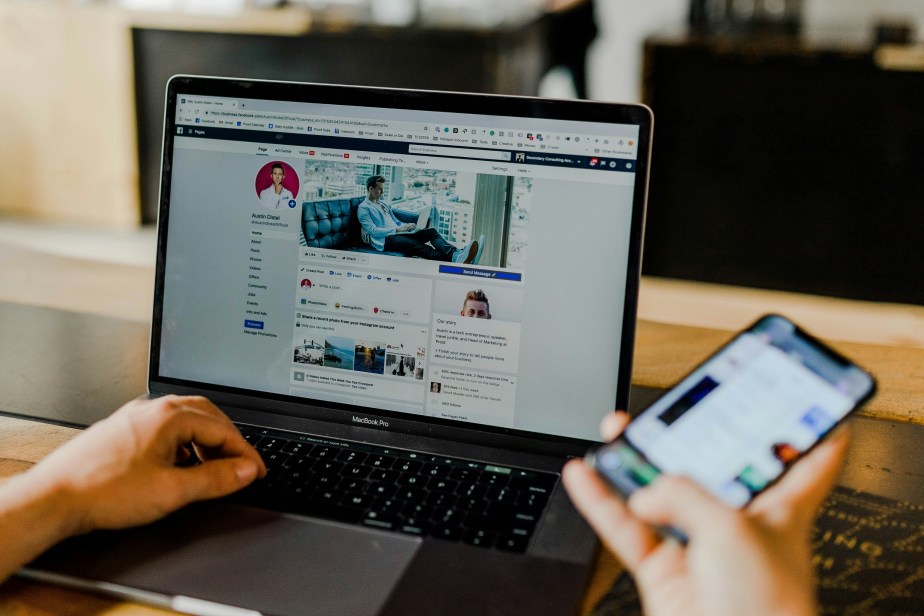
Why Posting “I Do Not Authorize Meta” Won’t Protect Your Data

The difference between a declaration and a legally binding agreement

Every few months, a familiar message begins circulating across Facebook:

“I do not authorize Facebook or Meta to use my photos or personal data…”

It usually comes with urgent language about a “new rule,” references to a television program, an unnamed attorney, or a deadline that’s supposedly “tomorrow.” People copy and paste it with good intentions, believing they’re protecting their privacy. The problem? It doesn’t work. And I’m tired of seeing them. I once was a victim of reposting these, too, so I thought it would be great to share something I learned.

A declaration is not a contract

One of the most important principles in communications, business, and law is understanding the difference between making a declaration and entering into an agreement. A declaration is simply a statement expressing your wishes, opinions, or intentions. A contract, or the terms of service and privacy policy you agree to when creating and continuing to use a platform, is a legally binding agreement that defines the rights and responsibilities of both parties.

Posting a status update on your Facebook timeline does not amend, override, or replace the agreement you accepted when you created your account. Unless Meta officially changes its terms or provides a legal mechanism for opting out, a copied-and-pasted status has no legal effect.

In other words: Your declaration does not supersede the platform agreement you voluntarily accepted.

So does Meta own your photos?

According to Meta’s published policies, you retain ownership of the content you create. So no. However, by uploading content to Facebook or Instagram, you grant Meta a license to host, store, display, reproduce, distribute, and process that content so the platform can operate as intended. Without that license, Facebook couldn’t display your photos to your friends, show them across devices, or perform many of the basic functions users expect.

Ownership and licensing are not the same thing. Think of it like renting an apartment. You still own your furniture. But you’ve granted the landlord certain rights to operate the property according to the lease. Likewise, your content remains yours, but you’ve licensed Meta to use it under the terms you accepted.

What about artificial intelligence?

This is where the conversation becomes more nuanced.

Meta has acknowledged that it uses certain publicly shared content from adult users to improve and train its artificial intelligence systems. That reality has understandably raised questions about digital ownership, consent, and privacy. Those concerns are legitimate. But they should lead us toward understanding platform policies, not forwarding misinformation. A chain post cannot opt you out of AI training. Reading the platform’s privacy settings, limiting the audience for your posts, removing content you no longer wish to share, and understanding your rights are far more effective than reposting internet folklore.

Why these posts keep going viral

As someone who works in strategic communications, I find these posts fascinating. They spread because they combine three powerful ingredients: fear, urgency, and authority. Mention a lawyer. Reference a television show. Create a deadline. Tell people they must “copy and paste before tomorrow.” These are classic persuasion techniques designed to encourage sharing before verification. Ironically, the posts often accomplish the exact opposite of what they claim to promote: They encourage people to share information without checking the facts first.

Digital literacy is the new media literacy

The internet rewards speed and instant gratification. Wisdom rewards verification and credibility.

Before sharing anything online, ask yourself five questions: Who originally published this? Can I find an official source? Does this claim appear in the platform’s terms of service? Is there credible reporting confirming it? Is this encouraging me to react emotionally instead of thinking critically?

Those five questions can prevent the spread of thousands of pieces of misinformation every day.

Protecting your privacy online is important. So is understanding how digital platforms actually work. The strongest defense isn’t copying and pasting a viral status. It’s reading the agreements you accept, understanding your privacy settings, exercising informed consent, and developing strong digital literacy skills.

In an era of artificial intelligence and algorithmic communication, our greatest protection isn’t fear. It’s knowledge and being willfully ignorant.

Question

What do you think? Have you ever shared one of these viral privacy notices before learning they weren’t legally effective? Join the conversation below and let’s discuss what real digital literacy looks like in the age of AI.

Sources

Illinois to Require ‘Bell-to-Bell’ Cellphone Restrictions in Schools Starting 2027

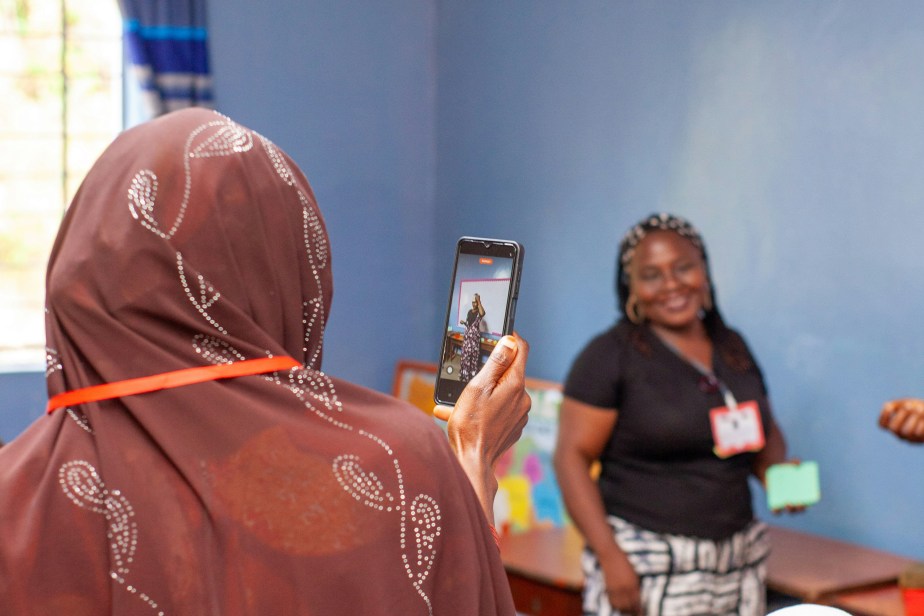
SPRINGFIELD, Ill. – Illinois schools will soon be required to limit students’ cellphone use from the start of the school day until dismissal under legislation lawmakers sent to Gov. JB Pritzker’s desk this year.

Senate Bill 2427 directs every public school board and charter school to adopt a “wireless communication device” policy by the start of the 2027-28 school year. At minimum, the policy must bar students from using phones, tablets, laptops, gaming devices and smart watches throughout the school day, including instructional time, lunch and passing periods, according to bill records maintained by the Illinois General Assembly. High schools have some flexibility to allow device use during lunch or between classes; elementary and middle schools do not.

The measure passed the Senate 55-2 and the House 102-3 before lawmakers adjourned their spring session June 1. Pritzker, who proposed the policy during his State of the State address, is expected to sign it.

“Every parent and educator knows the damage that unchecked screen time and social media can do to our children and how disruptive they can be in school,” Pritzker said in a statement after the bill’s passage.

The law carves out several exceptions. Students may use devices during emergencies, when a licensed physician, physician assistant or nurse practitioner determines a device is medically necessary, to fulfill an individualized education program, or if needed to access learning materials as an English language learner. Schools are barred from enforcing the policy through fines, fees, suspensions, expulsions or by involving school resource officers or police.

State Sen. Cristina Castro, D-Elgin, the bill’s lead Senate sponsor, said the goal is to help students refocus on schoolwork. “Teachers and students should be able to collaborate effectively without distractions standing in the way,” Castro said, according to a news release cited by NBC Chicago. In an interview with NPR Illinois, Castro said several teachers in her district had urged her to pursue the legislation.

The policy mirrors bans already adopted locally by some Illinois districts, including Elgin School District U-46 and Hinsdale Township High School District 86, according to NBC Chicago. Illinois joins a large majority of states that have adopted some form of statewide restriction on phones in schools, according to Illinois Policy, a nonprofit research organization; Indiana is among neighboring states with a similar law.

Supporters point to research suggesting phone restrictions can help classroom focus. NBC Chicago reported the governor’s office cited Pew Research Center survey data showing roughly three in four high school teachers consider phone-related distraction a major problem. NPR Illinois cited Rutgers University research finding that students in classes permitting phone use scored worse on final exams than peers in phone-free classes.

Not everyone welcomed the change. The Chicago Teachers Union has argued the policy could cut off a way for students to reach family during emergencies, including immigration enforcement actions, and that managing devices already falls to teachers as part of daily classroom routines, Illinois Policy reported. Supporters counter that the bill’s emergency exception is intended to cover those situations.

Educators who already restrict phones say enforcement remains a work in progress. Ashley Kolovitz, director of digital learning and innovation at Lake Forest Academy, a private school not covered by the new law but with its own device policy, told NPR Illinois that students often reach for phones out of habit. “Sometimes, I have to stop and collect them at the start of class if it keeps happening,” Kolovitz said.

Under the law, the Illinois State Board of Education must publish a model wireless device policy for districts by Sept. 1, and school boards must review their policies at least every three years.

Sources:

  • Illinois General Assembly, Bill Status of SB2427 – ilga.gov
  • Capitol News Illinois, “Cell-phone ban, loosening foreign language requirements among education bills to pass” (June 2, 2026)
  • NPR Illinois, “School cellphone ban is designed to help students focus” (July 7, 2026)
  • NBC Chicago, “Illinois legislature approves school cellphone ban, governor says he’ll sign” (May 31, 2026)
  • Illinois Policy, “Pritzker gets his school cell phone ban bill despite CTU opposition” (June 18, 2026)
  • Featured Image Credit: Akinyemi Gbadamosi

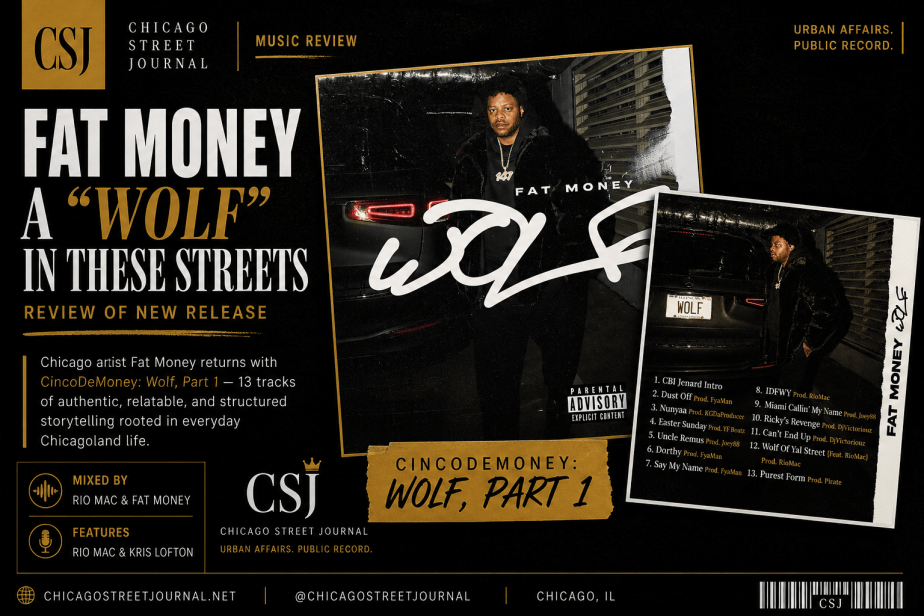
Fat Money a “Wolf” in These Streets: A Review of CincoDeMoney Wolf, Part 1

Chicago-Ty Money, better known as Fat Money, returns with new music: 13 tracks in his signature style for this year’s CincoDeMoney installment, Wolf, Part 1.

This project is one I anticipate annually. Not just out of loyalty , but because the series consistently reflects authenticity and growth. Each year feels like a continuation, not a repetition.

Money still slaps the same way he did the first time I pressed play years ago. And I still spin the older records too. That consistency matters.

Beyond affiliation, because yes, this is family, the work stands on its own. The quality is there. The storytelling is structured. The themes are grounded in everyday Chicagoland life. There’s intention in the sequencing and delivery that many artists today struggle to maintain.

It’s narrative and a vibe.

The project was mixed by Rio Mac and Fat Money, with features from Rio Mac and Kris Lofton, adding texture without disrupting the tone.

Favorite Tracks

In no particular order:

  • Nunyaa
  • Dust Off
  • Easter Sunday
  • Purest Form
  • Dorthy
  • Miami Calling My Name
  • IDFWY
  • Honorable Mention:
    Wolf of Y’all Street

A personal highlight for me is the recurring nod to my family’s restaurant legacy.

My uncle, Chuck “Woo Woo’s” Higgins, built something lasting from Washington Heights (99th & Halsted) to Lynwood, Calumet City, Dolton, Chicago Heights, and now:

1721 E. Sauk Trail in Sauk Village.

When artistry intersects with legacy, it hits different.

Wolf, Part 1 feels like a reminder: evolution doesn’t mean abandoning your roots. It means sharpening them.

Ta’Rhonda Jones explores identity and transformation in the upcoming project “Breaking Character.”

CHICAGO — Actress and recording artist Ta’Rhonda Jones is expanding her creative work into music with Breaking Character, a project centered on identity, perception and personal transformation.

The project includes tracks such as “Favor on My Soul” and “Villain,” which explore contrasting emotional perspectives, one rooted in alignment and affirmation, the other in perception and misunderstanding.

“Breaking character is really about stepping outside of what people expect from you,” Jones said. “It’s personal.”

Jones, known for her role as Porsha Taylor on the television series Empire, is using music to expand her storytelling beyond the screen.

“I choose to be present. I choose to be 100% me,” she said. “No more performing. No more people pleasing. I’m no longer who society wants me to be.”

The duality presented in “Favor on My Soul” and “Villain” reflects a broader theme of balance within the project.

“I wanted to show that balance is necessary,” Jones said. “I can be both soft and firm. Soft says I understand you, and firm says I still choose what’s best for me.”

Production for “Favor on My Soul” is underway, with visuals emphasizing tone, reflection and transformation. The project’s visual direction aligns with its themes, focusing on mood-driven storytelling and emotional depth.

“There are moments where you’re misunderstood for growing,” Jones said. “That’s where ‘Villain’ comes from.”

Jones also described the creative process as liberating, noting that each phase of development has expanded her perspective.

“Every time I create, I discover new freedom,” she said. “It feels like a phoenix rising, like I’ve unlocked a new level of consciousness.”

A release date for Breaking Character has been confirmed for June 6. The project marks Jones’ continued expansion into music and visual storytelling, positioning it as a personal and creative evolution.


Follow her on IG!
Ta’Rhonda Jones | IMDb
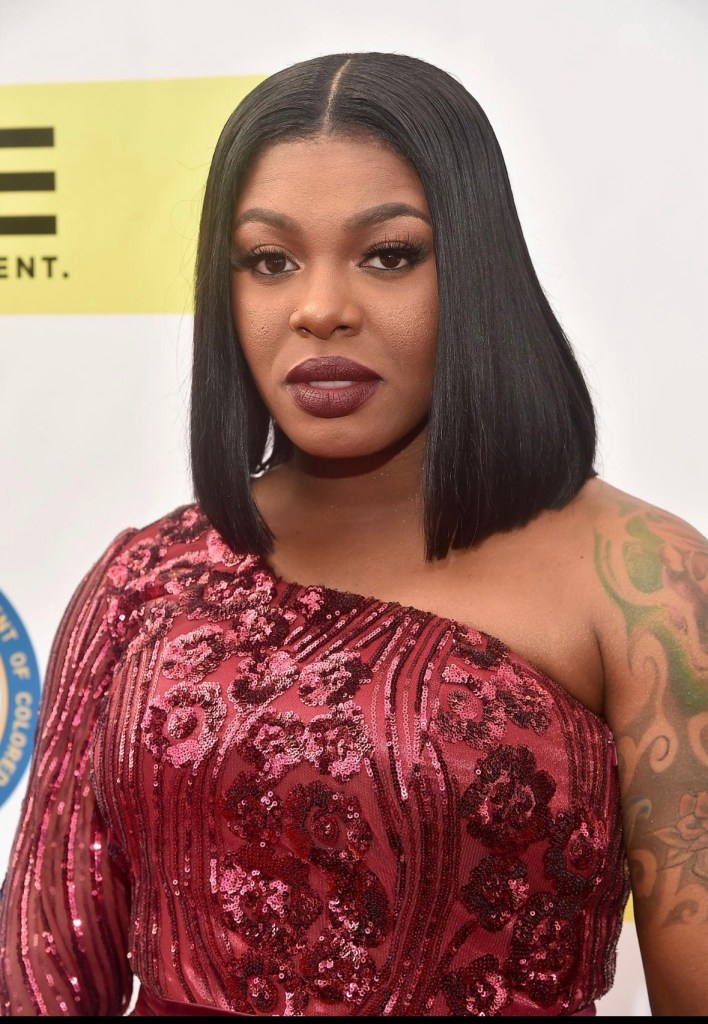
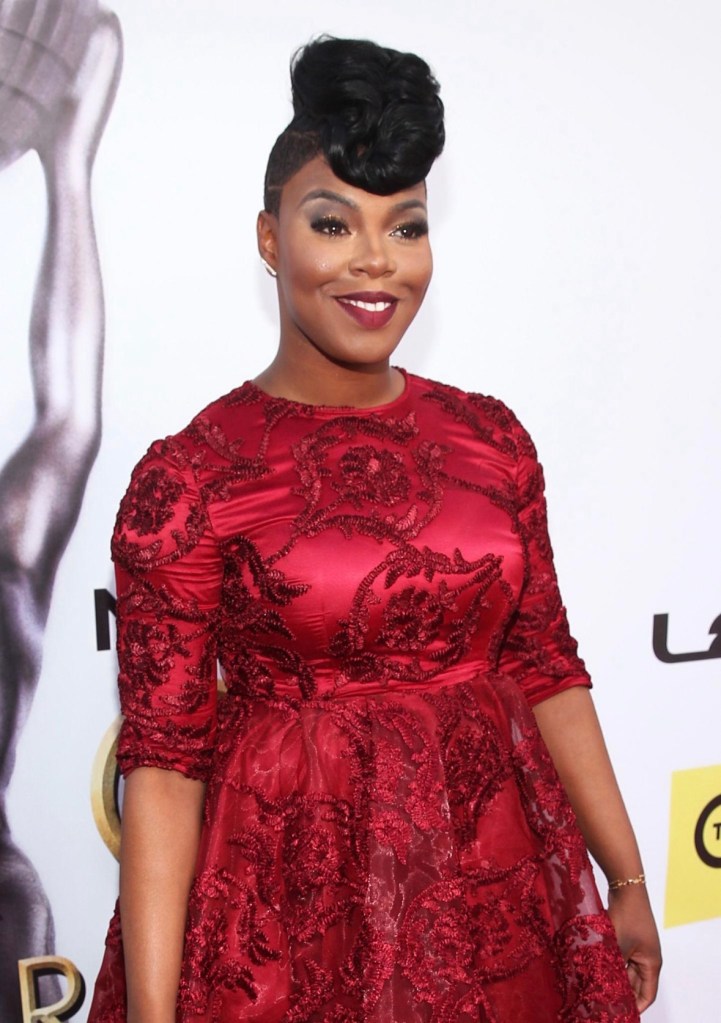
Ta’Rhonda at 48th NAACP Image Awards Red Carpet
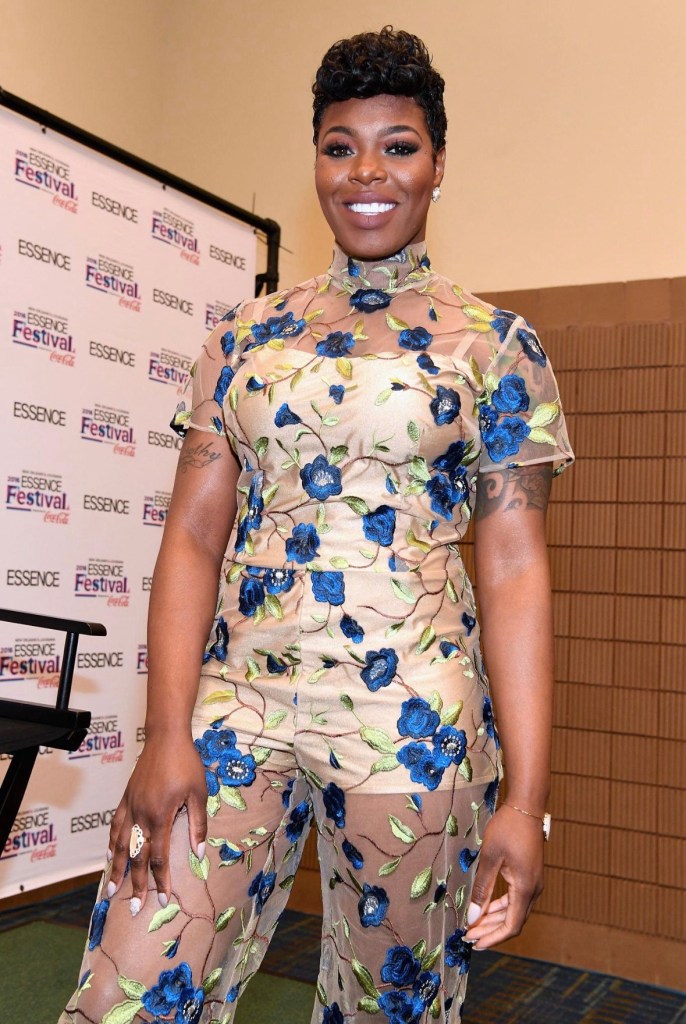
Ta’Rhonda at the 2016 Essence Festival Presented by Coca-Cola
Ta’Rhonda at The 47th NAACP Image Awards Presented by TV One, Red Carpet
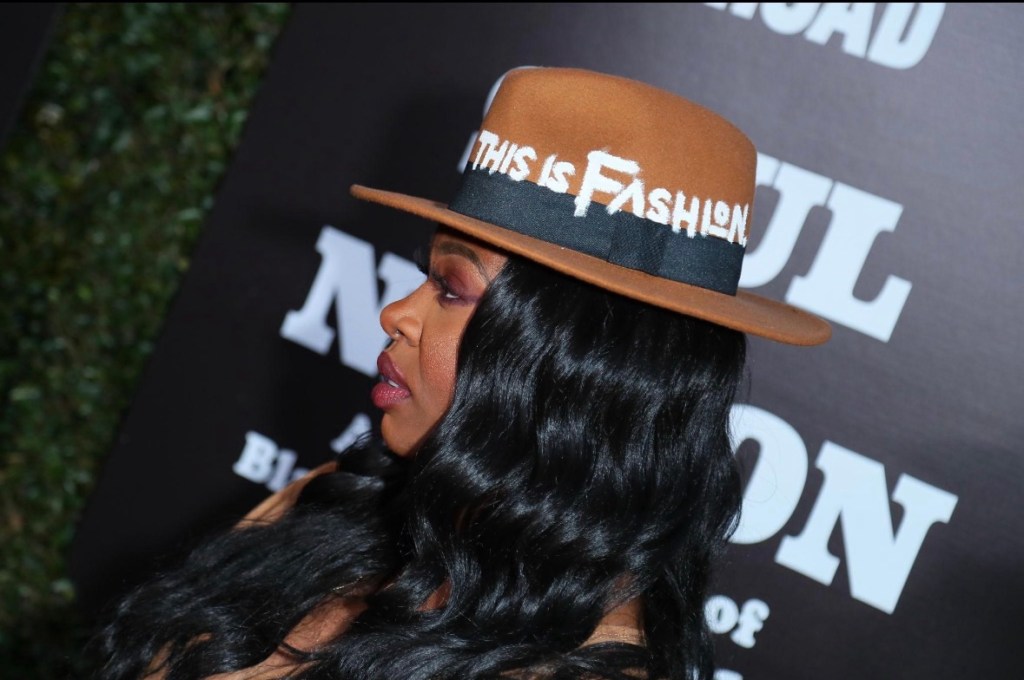
Ta’Rhonda | The Broad Host West Coast Debut of “Soul of a Nation”