Beyond the Outbreak: What a Foodborne Parasite Reveals About the Systems We Rarely See

The headlines are alarming: a growing outbreak of cyclosporiasis, an intestinal illness caused by the parasite Cyclospora cayetanensis, has sickened hundreds of people across the Midwest and prompted investigations by state and federal health officials. While the source of the contamination remains under investigation, the outbreak raises a larger question that extends beyond one contaminated food item.

What if the bigger story isn’t what made people sick but the system that allowed it to happen?

That question sits at the center of what I call The Systems Lens, an approach that looks beyond headlines to examine the infrastructure, policies, and processes shaping our everyday lives.

What happened?

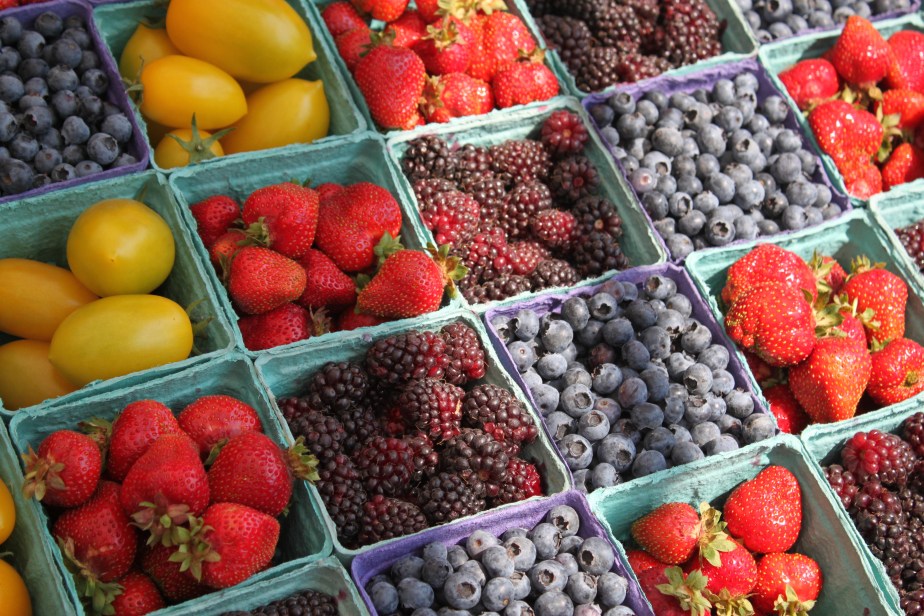
According to the U.S. Centers for Disease Control and Prevention (CDC), Cyclospora is a microscopic parasite that spreads through food or water contaminated with human fecal matter. Unlike many stomach viruses, it is not typically transmitted directly from person to person because the parasite requires time in the environment to become infectious. Fresh produce has historically been associated with outbreaks because many fruits and vegetables are consumed raw and receive minimal processing before reaching consumers.

Health officials are continuing to investigate the current outbreak, and, as of publication, they have not identified a single confirmed food source responsible for every reported illness.

Why did it happen?

That is where the conversation often stops. News reports understandably focus on identifying the contaminated product. Public health investigators work to trace illnesses back through farms, distributors, and retailers. Those efforts are essential.

But there is another question worth asking.

How does human fecal contamination reach fresh produce in the first place?

The answer is rarely simple.

Contamination can occur through improperly treated irrigation water, sewage entering agricultural water supplies, contaminated wash water used during processing, flooding events, or inadequate sanitation infrastructure for agricultural workers. Each represents a different point where a safeguard intended to protect the food supply may have failed. None of these scenarios automatically means individuals are defecating in crop fields. More often, they reflect failures in water management, sanitation systems, or food-processing infrastructure.

Why should people care?

Food safety is not created at the grocery store. By the time lettuce, herbs, or berries reach your shopping cart, they have traveled through an interconnected system involving water management, agriculture, transportation, food processing, regulation, and retail distribution.

Every step depends on the one before it.

When one layer of protection fails, another is supposed to prevent contamination from reaching consumers. A widespread outbreak suggests that multiple safeguards may have broken down somewhere along the chain, even if investigators have not yet determined exactly where.

This isn’t about assigning blame to a particular farmer, company, or country. It’s about recognizing that public health depends on resilient systems, not perfect people.

What questions should we be asking next?

Instead of asking only, “What food made people sick?” we should also ask:

  • How is irrigation water monitored before it reaches crops?
  • How often are agricultural water systems tested for contamination?
  • What safeguards exist to prevent wastewater from entering irrigation supplies?
  • How transparent are food supply chains when outbreaks occur?
  • What investments in water and sanitation infrastructure could reduce future outbreaks?

These questions shift the conversation from reacting to the latest headline to preventing the next one and building a community.

Looking through the Systems Lens

Every major outbreak tells two stories. The first is about illness. The second is about infrastructure.

While scientists work to identify the immediate source of contamination, the public has an opportunity to think more broadly about the systems that produce, transport, and regulate the food we eat every day. Understanding those systems doesn’t make us fearful; it makes us informed. And informed communities are better equipped to ask better questions, demand greater transparency, and support stronger public health protections.

Sometimes the most important story isn’t the outbreak itself.

It’s the system the outbreak exposes.

Want to learn more about systems thinking?

This article uses what I call The Systems Lens, looking beyond individual events to understand the structures, incentives, and relationships that shape them. If you’re curious about the broader field of systems thinking, I recommend starting with The Donella Meadows Project’s “A Visual Approach to Leverage Points.” It’s one of the clearest introductions to seeing problems as interconnected systems rather than isolated events. Helping everyday people understand a complex subject.
Why Posting “I Do Not Authorize Meta” Won’t Protect Your Data

The difference between a declaration and a legally binding agreement

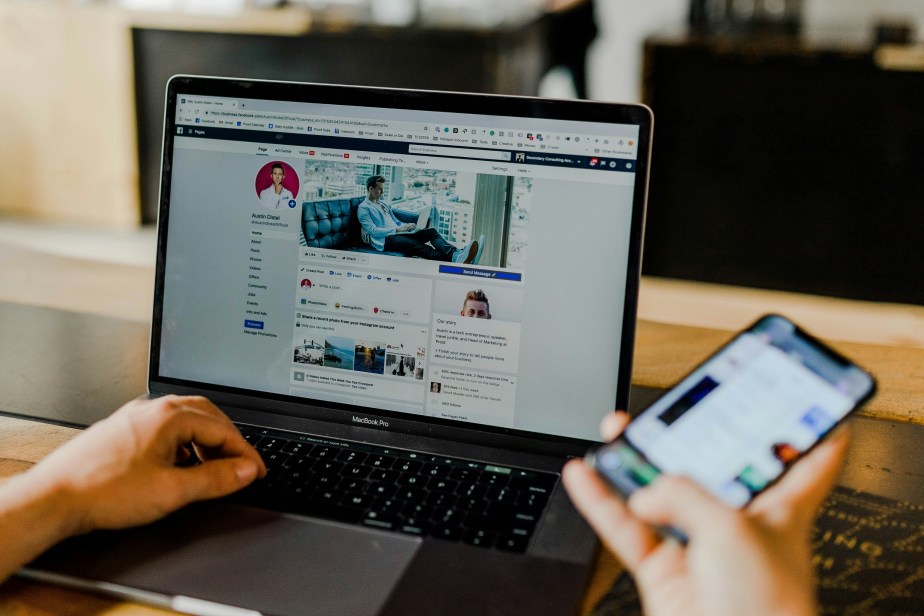
Every few months, a familiar message begins circulating across Facebook:

“I do not authorize Facebook or Meta to use my photos or personal data…”

It usually comes with urgent language about a “new rule,” references to a television program, an unnamed attorney, or a deadline that’s supposedly “tomorrow.” People copy and paste it with good intentions, believing they’re protecting their privacy. The problem? It doesn’t work. And I’m tired of seeing them. I once was a victim of reposting these, too, so I thought it would be great to share something I learned.

A declaration is not a contract

One of the most important principles in communications, business, and law is understanding the difference between making a declaration and entering into an agreement. A declaration is simply a statement expressing your wishes, opinions, or intentions. A contract, or the terms of service and privacy policy you agree to when creating and continuing to use a platform, is a legally binding agreement that defines the rights and responsibilities of both parties.

Posting a status update on your Facebook timeline does not amend, override, or replace the agreement you accepted when you created your account. Unless Meta officially changes its terms or provides a legal mechanism for opting out, a copied-and-pasted status has no legal effect.

In other words: Your declaration does not supersede the platform agreement you voluntarily accepted.

So does Meta own your photos?

According to Meta’s published policies, you retain ownership of the content you create. So no. However, by uploading content to Facebook or Instagram, you grant Meta a license to host, store, display, reproduce, distribute, and process that content so the platform can operate as intended. Without that license, Facebook couldn’t display your photos to your friends, show them across devices, or perform many of the basic functions users expect.

Ownership and licensing are not the same thing. Think of it like renting an apartment. You still own your furniture. But you’ve granted the landlord certain rights to operate the property according to the lease. Likewise, your content remains yours, but you’ve licensed Meta to use it under the terms you accepted.

What about artificial intelligence?

This is where the conversation becomes more nuanced.

Meta has acknowledged that it uses certain publicly shared content from adult users to improve and train its artificial intelligence systems. That reality has understandably raised questions about digital ownership, consent, and privacy. Those concerns are legitimate. But they should lead us toward understanding platform policies, not forwarding misinformation. A chain post cannot opt you out of AI training. Reading the platform’s privacy settings, limiting the audience for your posts, removing content you no longer wish to share, and understanding your rights are far more effective than reposting internet folklore.

Why these posts keep going viral

As someone who works in strategic communications, I find these posts fascinating. They spread because they combine three powerful ingredients: fear, urgency, and authority. Mention a lawyer. Reference a television show. Create a deadline. Tell people they must “copy and paste before tomorrow.” These are classic persuasion techniques designed to encourage sharing before verification. Ironically, the posts often accomplish the exact opposite of what they claim to promote: They encourage people to share information without checking the facts first.

Digital literacy is the new media literacy

The internet rewards speed and instant gratification. Wisdom rewards verification and credibility.

Before sharing anything online, ask yourself five questions: Who originally published this? Can I find an official source? Does this claim appear in the platform’s terms of service? Is there credible reporting confirming it? Is this encouraging me to react emotionally instead of thinking critically?

Those five questions can prevent the spread of thousands of pieces of misinformation every day.

Protecting your privacy online is important. So is understanding how digital platforms actually work. The strongest defense isn’t copying and pasting a viral status. It’s reading the agreements you accept, understanding your privacy settings, exercising informed consent, and developing strong digital literacy skills.

In an era of artificial intelligence and algorithmic communication, our greatest protection isn’t fear. It’s knowledge and being willfully ignorant.

Question

What do you think? Have you ever shared one of these viral privacy notices before learning they weren’t legally effective? Join the conversation below and let’s discuss what real digital literacy looks like in the age of AI.

Sources