Chicago’s Own: Ta’Rhonda Jones Brings Music, Storytelling & Soul to City Winery Chicago

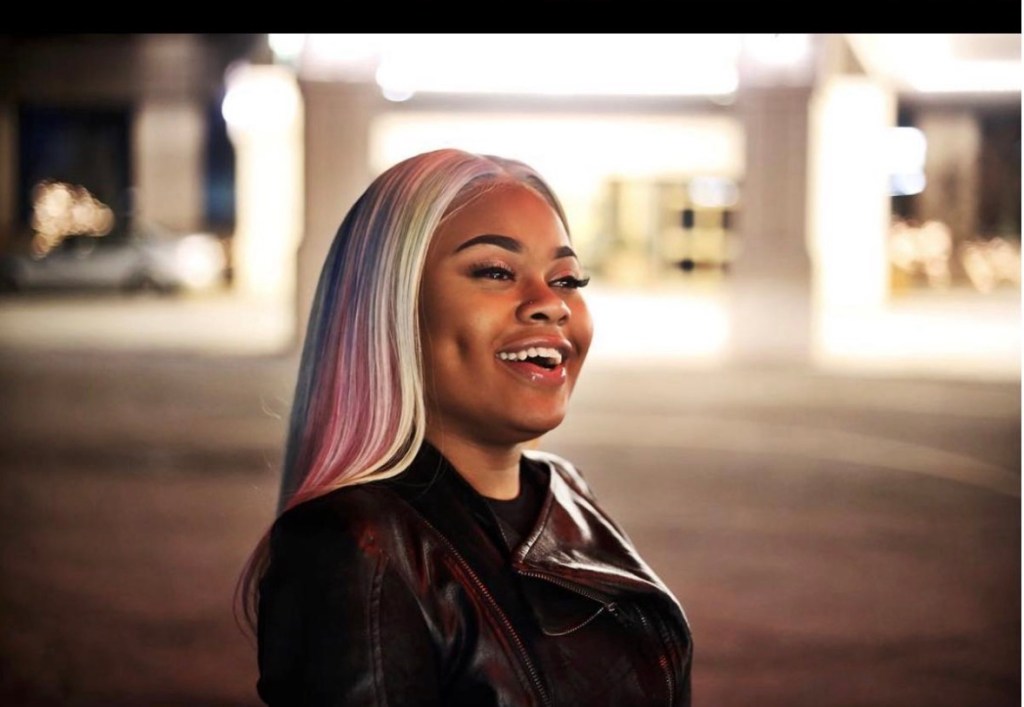
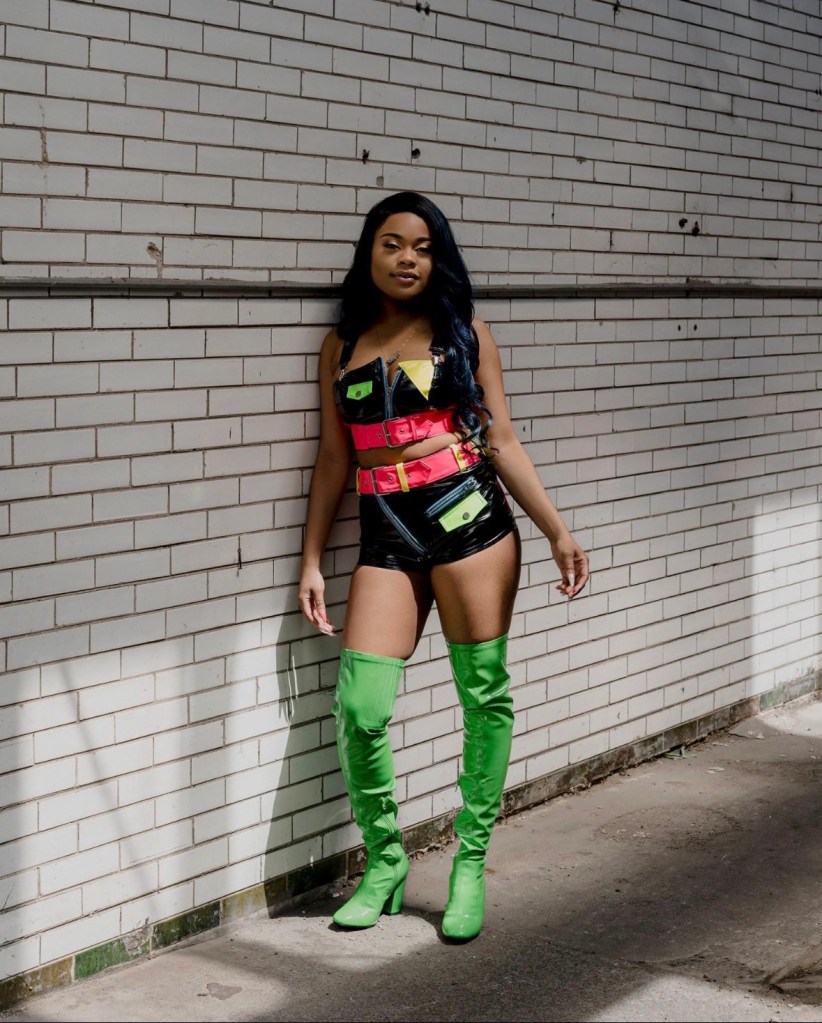
Chicago native and Empire star Ta’Rhonda Jones is set to take the stage at City Winery Chicago on Monday, July 20th at 7:30 PM for a one-night-only evening blending music, storytelling, comedy and candid conversation. Best known for her breakout role as Porsha Taylor on FOX’s hit drama Empire, Jones brings her signature charisma and authentic South Side energy to an intimate live setting that showcases the many sides of her artistry beyond the screen.

Since stepping away from scripted television, Jones has built a second on-screen life as a host, most notably fronting Oprah’s OWN Network reality dating series The Never Ever Mets. The show follows couples who fell for each other online meeting in person for the first time, and Jones, known for her blunt honesty and warmth, guides them through cohabitation and relationship tests with the same grounded, relatable energy that made Porsha a fan favorite. She returned for Season 2, which premiered in spring 2025, cementing her place as one of OWN’s go-to hosts for unscripted storytelling. I’m looking forward to seeing her return to the screen.

The date holds extra meaning: it falls right around Jones’s birthday, and it’s a great gift to give someone who never asks for anything but shares everything. The show is a shared celebration with her fans not just for her Solar Return but for all of her recent milestones. Below is a recent Instagram post announcing the event, she wrote:

“It’s my B(earth)Day! 💫 If you’ve ever wanted to support me, this is the perfect way. Grab your ticket to my @citywinerychi show, celebrate with me, and you’ll automatically be entered into raffles for FREE artist resources… When you pour into me, I get to pour right back into our creative community. Let’s celebrate together. ❤️

Ticket buyers are entered into a raffle for artist development prizes, including a Billboard placement, a music video, and a Hype Magazine feature and more, tying the night directly to her broader mission of resourcing Chicago’s creative community.

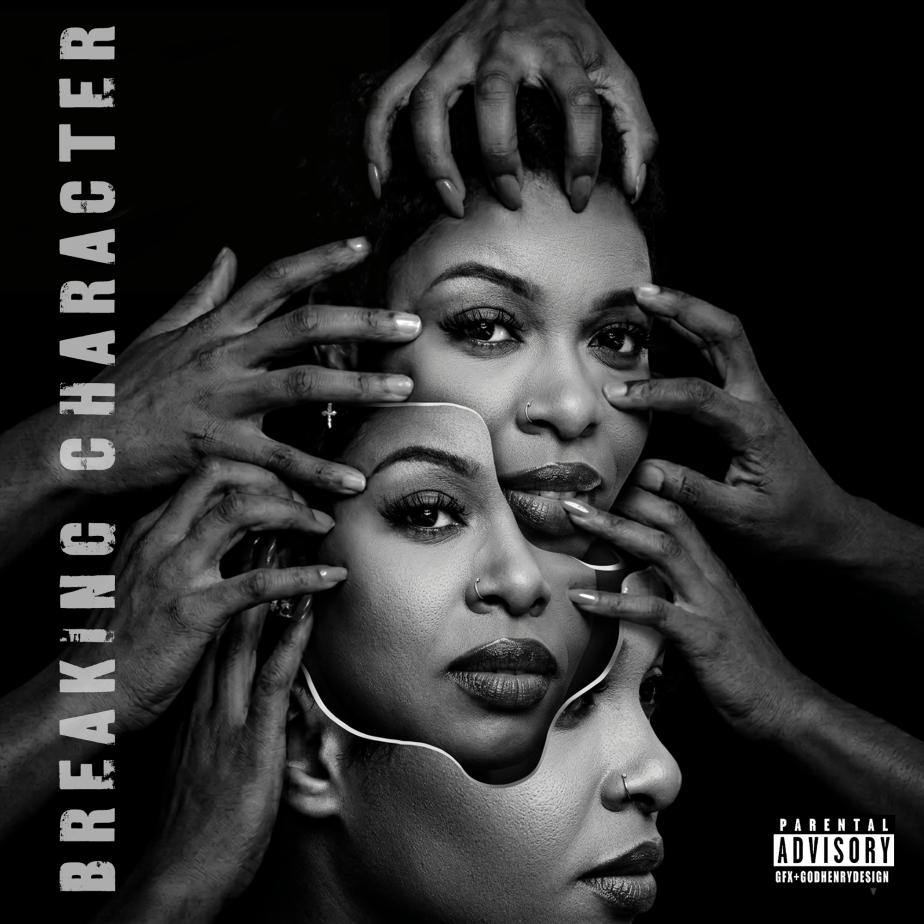
The show comes on the heels of her latest album, Breaking Character, released June 6th. The 13-track project features collaborations with Teefa, SandyRedd, Joel Q, GLC, VAADI, Nathan Palmer, Mg Marz, and Philmore Greene, and has already drawn praise for its intentionality and cohesion, critics note the album’s replay value and the way its sequencing carries listeners through themes of identity and self-presentation. Fan-favorite tracks include “Villian” and “Feeling Good, Feeling Great.”

My favorites are “ Villain” , “Menace”, “Let Me Talk to Myself”, and “Favor on My Soul”.

Ta’Rhonda performing “Let Me Talk To Myself”

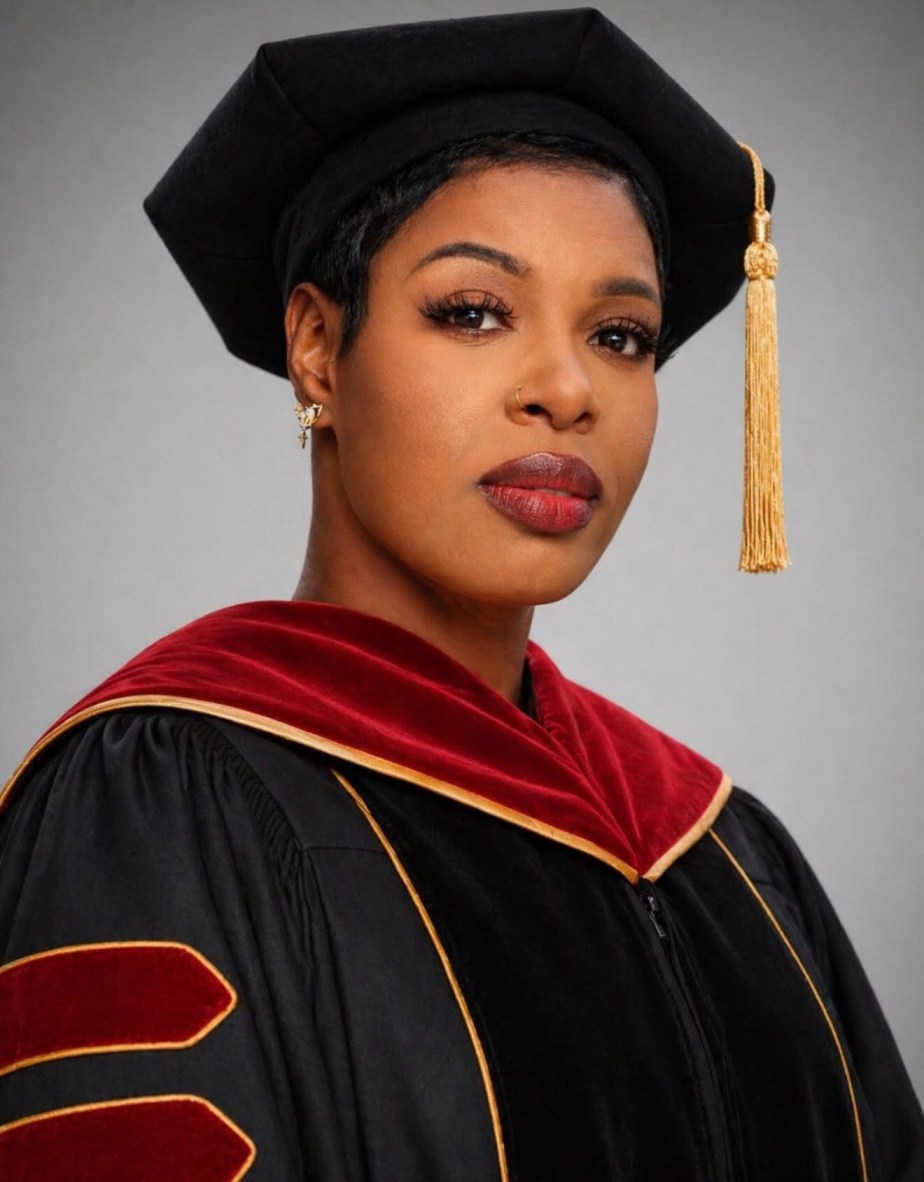
Jones’s Chicago roots run deep. Beyond acting and music, she’s the founder of the S.E.E.D. Foundation, a nonprofit dedicated to funding, mentoring, and resourcing emerging Chicago creatives through grants, studio access, and hands-on programming. Her impact will be formally recognized this year when she receives an Honorary Doctorate Degree in Humanity from Leaders Esteem Christian Bible University at its Fall Graduation Ceremony on August 23, 2026, in Atlanta. Announcing the honor, Jones reflected: “This isn’t just a title. It’s a testament… Y(our) FLYNESS… Dr. Ta’Rhonda Jones.”

Doors open at 6:00 PM at City Winery Chicago, 1200 W. Randolph St. Tickets are available now via City Winery’s box office.
Beyond the Outbreak: What a Foodborne Parasite Reveals About the Systems We Rarely See

The headlines are alarming: a growing outbreak of cyclosporiasis, an intestinal illness caused by the parasite Cyclospora cayetanensis, has sickened hundreds of people across the Midwest and prompted investigations by state and federal health officials. While the source of the contamination remains under investigation, the outbreak raises a larger question that extends beyond one contaminated food item.

What if the bigger story isn’t what made people sick but the system that allowed it to happen?

That question sits at the center of what I call The Systems Lens, an approach that looks beyond headlines to examine the infrastructure, policies, and processes shaping our everyday lives.

What happened?

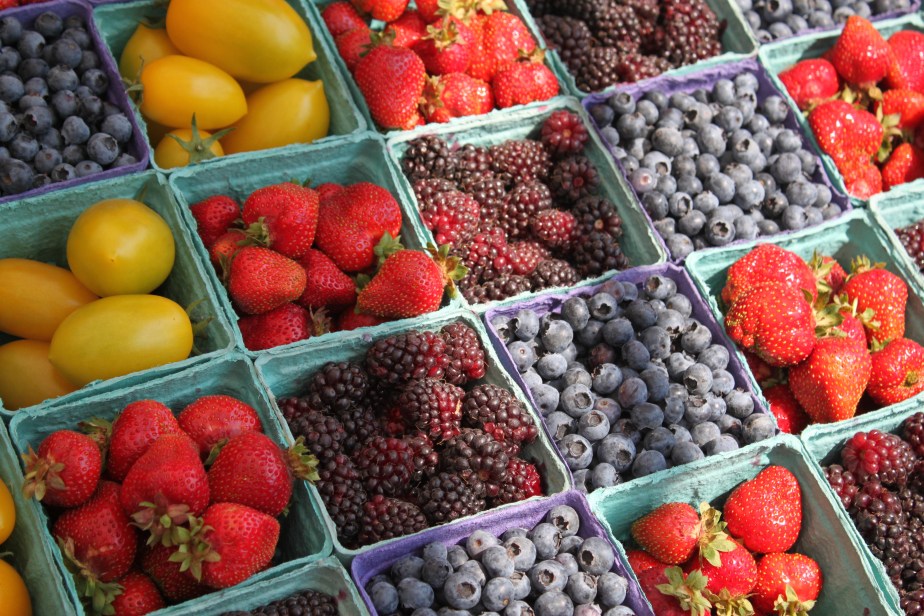
According to the U.S. Centers for Disease Control and Prevention (CDC), Cyclospora is a microscopic parasite that spreads through food or water contaminated with human fecal matter. Unlike many stomach viruses, it is not typically transmitted directly from person to person because the parasite requires time in the environment to become infectious. Fresh produce has historically been associated with outbreaks because many fruits and vegetables are consumed raw and receive minimal processing before reaching consumers.

Health officials are continuing to investigate the current outbreak, and, as of publication, they have not identified a single confirmed food source responsible for every reported illness.

Why did it happen?

That is where the conversation often stops. News reports understandably focus on identifying the contaminated product. Public health investigators work to trace illnesses back through farms, distributors, and retailers. Those efforts are essential.

But there is another question worth asking.

How does human fecal contamination reach fresh produce in the first place?

The answer is rarely simple.

Contamination can occur through improperly treated irrigation water, sewage entering agricultural water supplies, contaminated wash water used during processing, flooding events, or inadequate sanitation infrastructure for agricultural workers. Each represents a different point where a safeguard intended to protect the food supply may have failed. None of these scenarios automatically means individuals are defecating in crop fields. More often, they reflect failures in water management, sanitation systems, or food-processing infrastructure.

Why should people care?

Food safety is not created at the grocery store. By the time lettuce, herbs, or berries reach your shopping cart, they have traveled through an interconnected system involving water management, agriculture, transportation, food processing, regulation, and retail distribution.

Every step depends on the one before it.

When one layer of protection fails, another is supposed to prevent contamination from reaching consumers. A widespread outbreak suggests that multiple safeguards may have broken down somewhere along the chain, even if investigators have not yet determined exactly where.

This isn’t about assigning blame to a particular farmer, company, or country. It’s about recognizing that public health depends on resilient systems, not perfect people.

What questions should we be asking next?

Instead of asking only, “What food made people sick?” we should also ask:

  • How is irrigation water monitored before it reaches crops?
  • How often are agricultural water systems tested for contamination?
  • What safeguards exist to prevent wastewater from entering irrigation supplies?
  • How transparent are food supply chains when outbreaks occur?
  • What investments in water and sanitation infrastructure could reduce future outbreaks?

These questions shift the conversation from reacting to the latest headline to preventing the next one and building a community.

Looking through the Systems Lens

Every major outbreak tells two stories. The first is about illness. The second is about infrastructure.

While scientists work to identify the immediate source of contamination, the public has an opportunity to think more broadly about the systems that produce, transport, and regulate the food we eat every day. Understanding those systems doesn’t make us fearful; it makes us informed. And informed communities are better equipped to ask better questions, demand greater transparency, and support stronger public health protections.

Sometimes the most important story isn’t the outbreak itself.

It’s the system the outbreak exposes.

Want to learn more about systems thinking?

This article uses what I call The Systems Lens, looking beyond individual events to understand the structures, incentives, and relationships that shape them. If you’re curious about the broader field of systems thinking, I recommend starting with The Donella Meadows Project’s “A Visual Approach to Leverage Points.” It’s one of the clearest introductions to seeing problems as interconnected systems rather than isolated events. Helping everyday people understand a complex subject.

Fat Money a “Wolf” in These Streets: A Review of CincoDeMoney Wolf, Part 1

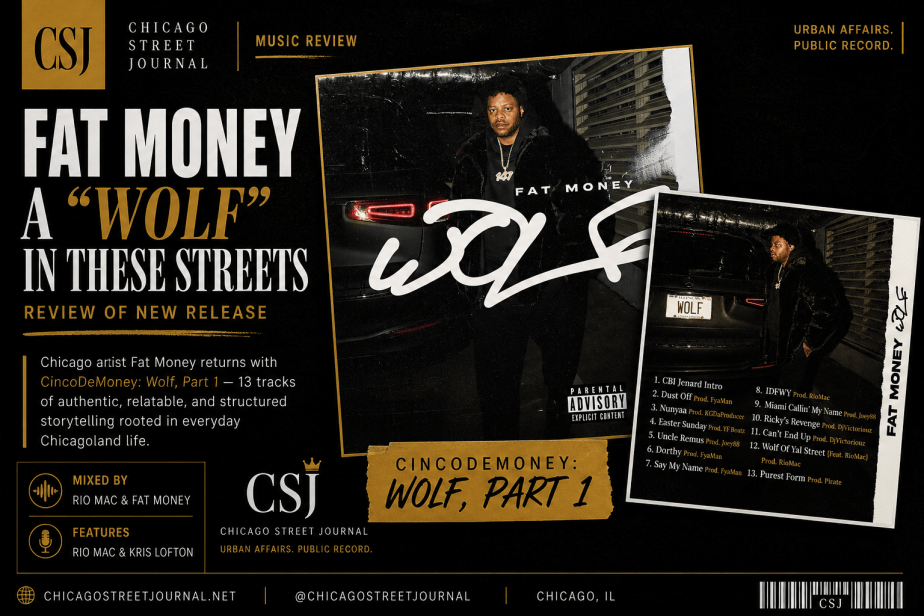
Chicago-Ty Money, better known as Fat Money, returns with new music: 13 tracks in his signature style for this year’s CincoDeMoney installment, Wolf, Part 1.

This project is one I anticipate annually. Not just out of loyalty , but because the series consistently reflects authenticity and growth. Each year feels like a continuation, not a repetition.

Money still slaps the same way he did the first time I pressed play years ago. And I still spin the older records too. That consistency matters.

Beyond affiliation, because yes, this is family, the work stands on its own. The quality is there. The storytelling is structured. The themes are grounded in everyday Chicagoland life. There’s intention in the sequencing and delivery that many artists today struggle to maintain.

It’s narrative and a vibe.

The project was mixed by Rio Mac and Fat Money, with features from Rio Mac and Kris Lofton, adding texture without disrupting the tone.

Favorite Tracks

In no particular order:

  • Nunyaa
  • Dust Off
  • Easter Sunday
  • Purest Form
  • Dorthy
  • Miami Calling My Name
  • IDFWY
  • Honorable Mention:
    Wolf of Y’all Street

A personal highlight for me is the recurring nod to my family’s restaurant legacy.

My uncle, Chuck “Woo Woo’s” Higgins, built something lasting from Washington Heights (99th & Halsted) to Lynwood, Calumet City, Dolton, Chicago Heights, and now:

1721 E. Sauk Trail in Sauk Village.

When artistry intersects with legacy, it hits different.

Wolf, Part 1 feels like a reminder: evolution doesn’t mean abandoning your roots. It means sharpening them.

Ta’Rhonda Jones explores identity and transformation in the upcoming project “Breaking Character.”

CHICAGO — Actress and recording artist Ta’Rhonda Jones is expanding her creative work into music with Breaking Character, a project centered on identity, perception and personal transformation.

The project includes tracks such as “Favor on My Soul” and “Villain,” which explore contrasting emotional perspectives, one rooted in alignment and affirmation, the other in perception and misunderstanding.

“Breaking character is really about stepping outside of what people expect from you,” Jones said. “It’s personal.”

Jones, known for her role as Porsha Taylor on the television series Empire, is using music to expand her storytelling beyond the screen.

“I choose to be present. I choose to be 100% me,” she said. “No more performing. No more people pleasing. I’m no longer who society wants me to be.”

The duality presented in “Favor on My Soul” and “Villain” reflects a broader theme of balance within the project.

“I wanted to show that balance is necessary,” Jones said. “I can be both soft and firm. Soft says I understand you, and firm says I still choose what’s best for me.”

Production for “Favor on My Soul” is underway, with visuals emphasizing tone, reflection and transformation. The project’s visual direction aligns with its themes, focusing on mood-driven storytelling and emotional depth.

“There are moments where you’re misunderstood for growing,” Jones said. “That’s where ‘Villain’ comes from.”

Jones also described the creative process as liberating, noting that each phase of development has expanded her perspective.

“Every time I create, I discover new freedom,” she said. “It feels like a phoenix rising, like I’ve unlocked a new level of consciousness.”

A release date for Breaking Character has been confirmed for June 6. The project marks Jones’ continued expansion into music and visual storytelling, positioning it as a personal and creative evolution.


Follow her on IG!
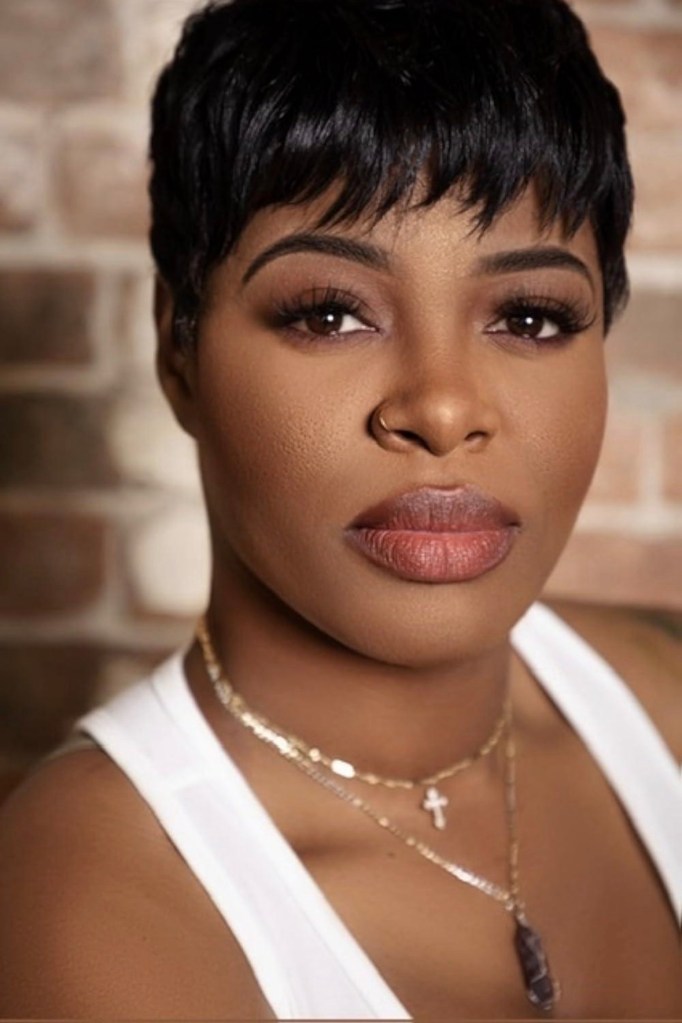
Ta’Rhonda Jones | IMDb
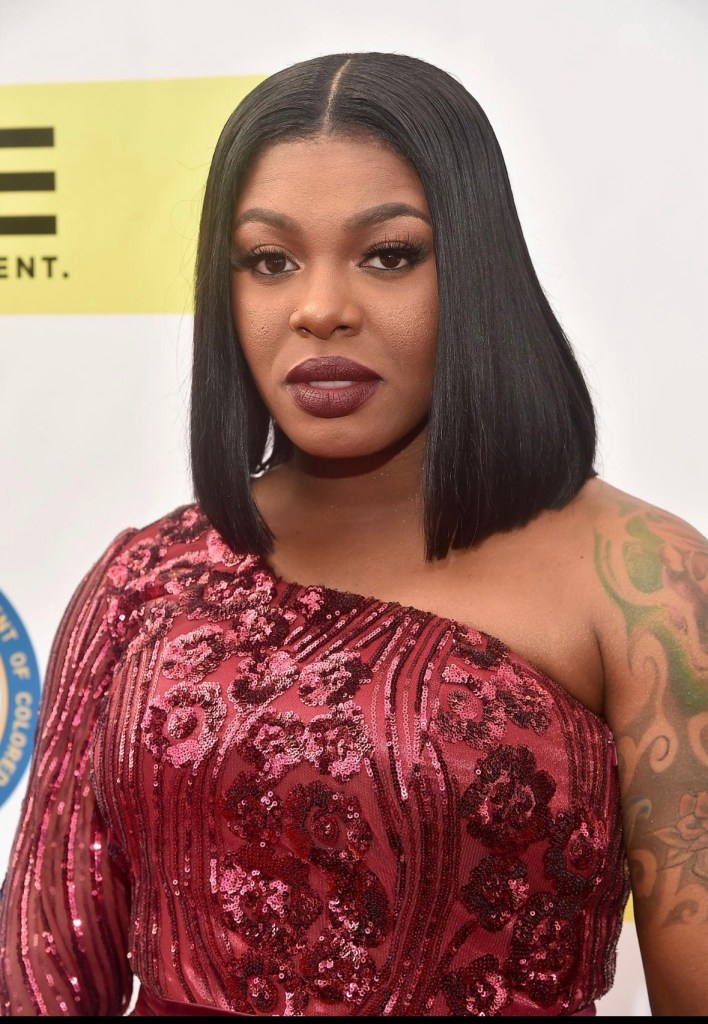
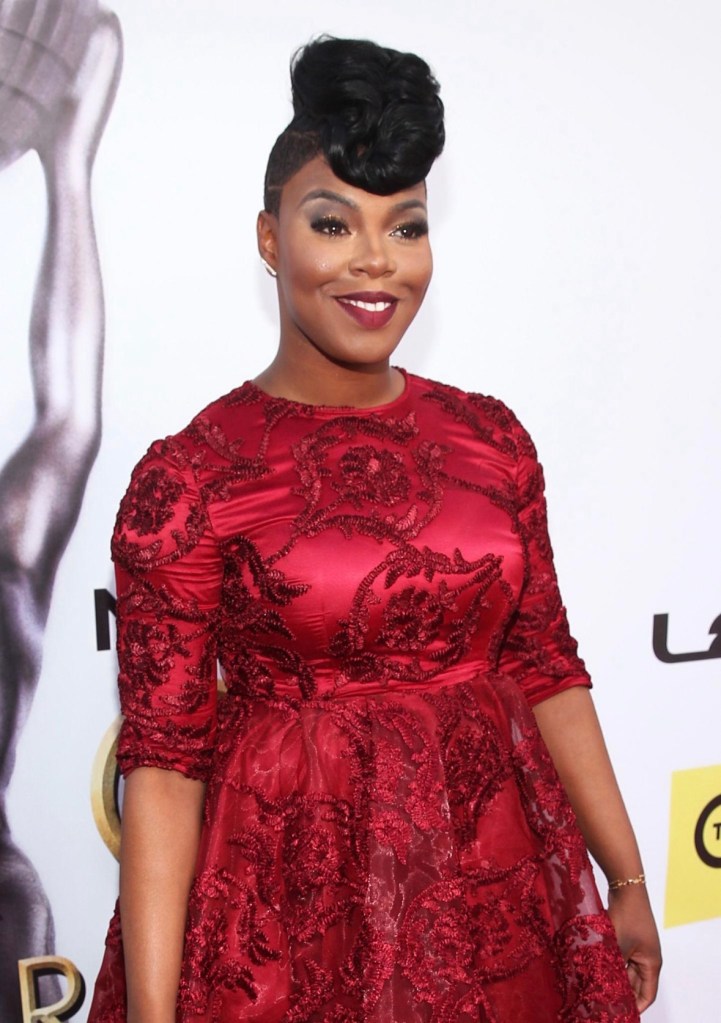
Ta’Rhonda at 48th NAACP Image Awards Red Carpet
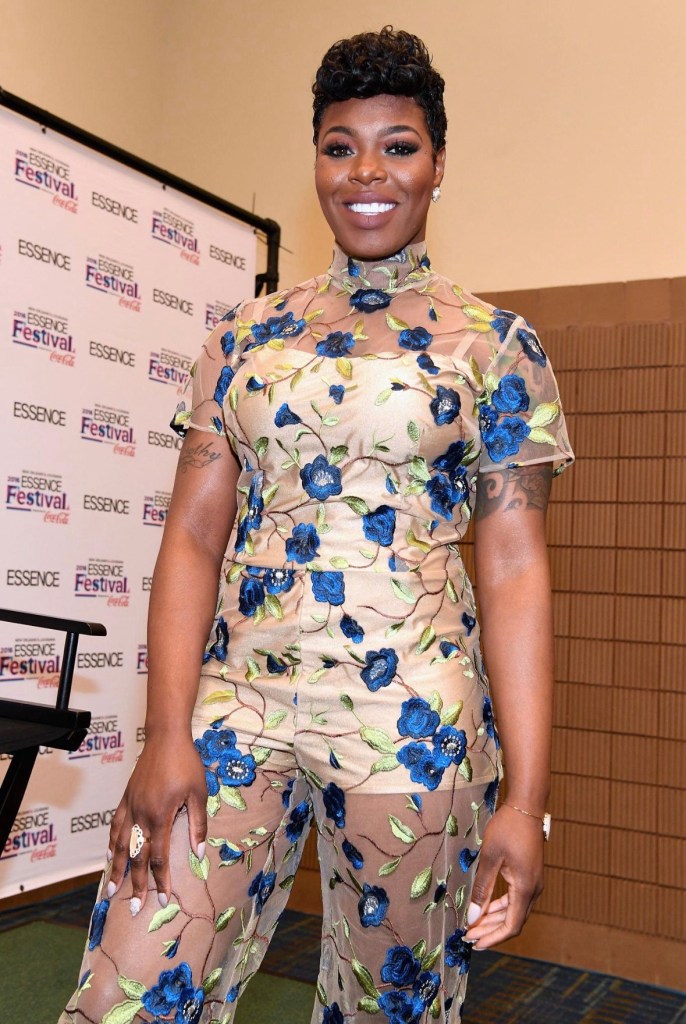
Ta’Rhonda at the 2016 Essence Festival Presented by Coca-Cola
Ta’Rhonda at The 47th NAACP Image Awards Presented by TV One, Red Carpet
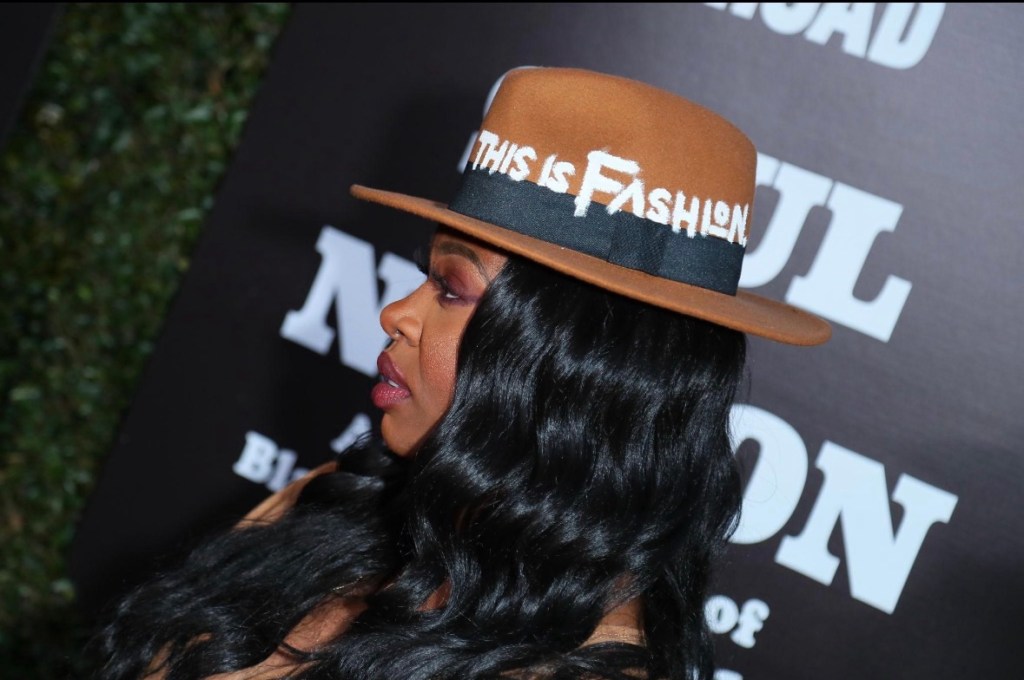
Ta’Rhonda | The Broad Host West Coast Debut of “Soul of a Nation”

Queen Key Expands Her Empire with Kolors Boutique Grand Opening in Chicago

There comes a point in every artist’s journey where the brand outgrows the medium. For Queen Key, that moment is now.

Queen Key | Spotify

Known for her unapologetic voice, bold personality, and cultural influence rooted in Chicago, Queen Key is stepping beyond music and into something more tangible; retail, ownership, and curated lifestyle. Just like a big stepper should.

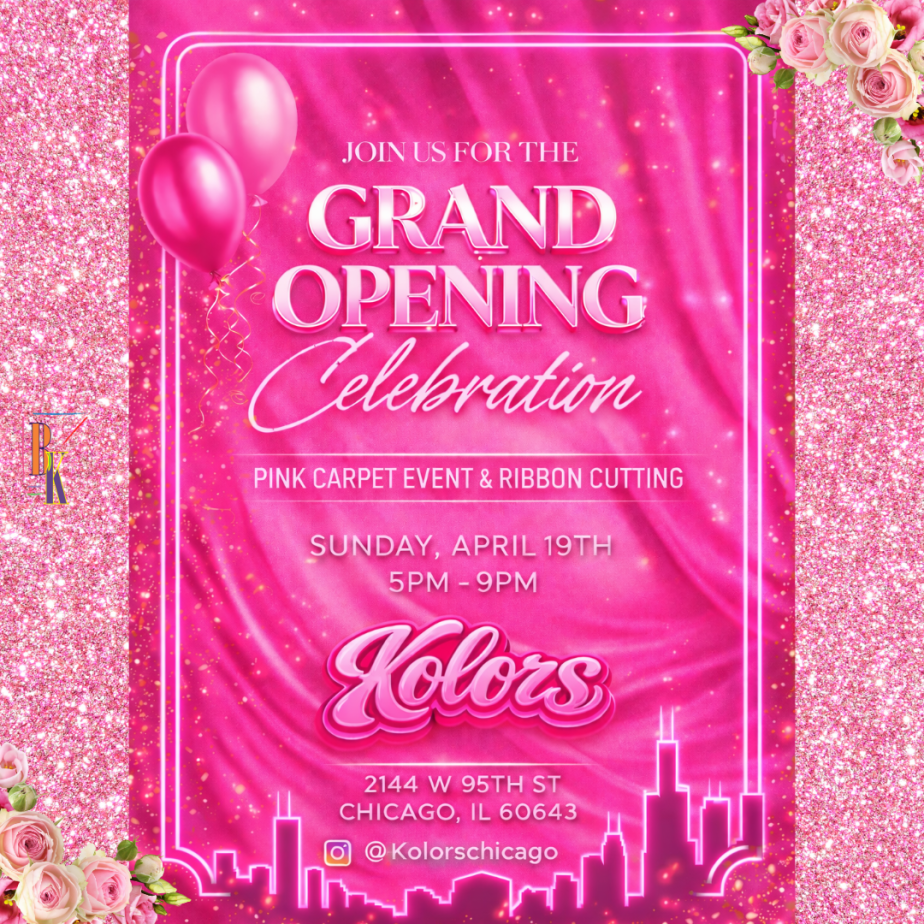
With the announcement of her boutique, Kolors, grand opening, Sunday, April 19, at 2144 W. 95th Street from 5 PM-9 PM, she’s not just inviting people to an event…she’s inviting them to her next chapter of evolution and introducing them to a special space in her life.


From Music to Market: A Strategic Evolution

Queen Key, born Ke’Asha McClure, has never followed a traditional blueprint, at all. I love 🥰 that for those of us looking 👀 to be inspired by originality.

From viral tracks to building a loyal audience, her career has been defined by authenticity and independence. But this latest move signals something deeper:

Ownership of experience.

A boutique isn’t just a store.

It’s:

  • A reflection of personal style
  • A direct-to-consumer brand channel
  • A physical extension of {brand} identity

And for an artist like Queen Key, whose image and presence have always been just as impactful as her music, this move feels less like a pivot and more like a natural progression.

Queen Key | Global Grind

More Than a Grand Opening

This isn’t just about racks of clothing or a new address on a flyer.

Her Grand Opening represents:

  • A new level of entrepreneurship
  • A claim to a bigger physical space in the culture
  • A deeper connection between artist and audience, in marketing and advertising.

This is where supporters become customers.
Where followers become community.

And where brand becomes infrastructure.


The Power of Physical Space in Communications

In a digital-first world, creating a physical location is a power move.

It says:
“I’m not just visible, I’m established.”

For Chicago especially spaces like this matter because we’re an international city and market.

We are a hub for:

  • Local fashion influence
  • Cultural expression
  • Community engagement

And when someone like Queen Key opens that door, it doesn’t just create opportunity for herself, it creates a ripple effect and opportunities for others.


What to Expect

While details are still unfolding, one thing is clear:

This won’t be a passive shopping experience.

Expect:

  • Energy
  • Personality
  • A crowd that reflects her audience
  • And a space that feels like an extension of her brand, and for the fly & danty ladies.

Because if there’s one thing Queen Key understands, it’s how to make people feel something.


Why This Moment Matters

Her boutique launch 🚀 is a signal.

A signal that artists, especially women in hip-hop, are continuing to expand beyond industry limitations and step fully into ownership, business, and legacy-building.

Queen Key | The Fader

And Queen Key is doing it her way.

Unfiltered.
Unapologetic.
Intentional.


A Word For The Birds 🦅

Not every artist makes this transition successfully.

But the ones who do?

They understand that influence isn’t just about attention, it’s about what you build with it.


When the Music Stops: Why Spotify’s Military AI Ties Should Matter to Artists and Listeners

Spotify has been under fire before for its low artist payouts and corporate decision making that seems to prioritize profit over culture. But this time, the controversy is heavier; literally a matter of war and peace.

Daniel Ek, Spotify’s CEO, isn’t just running the world’s biggest music streaming service. Through his private investment firm, Prima Materia, he’s invested roughly €600 million (about $700 million) into Helsing, a European company building artificial intelligence tools for military operations. These tools include AI powered surveillance, battlefield analysis, and autonomous systems, the kind of tech many believe could escalate modern warfare.

For some artists, this is a line they won’t cross. Independent bands like Deerhoof, Xiu Xiu, and King Gizzard & the Lizard Wizard have already announced they’re pulling their music from Spotify. They’re saying “no” to their art funding weapons development.

Why This Hits Different for Black Creatives

Music is more than entertainment in the Black community; it’s preservation, resistance, and storytelling. Our art has fueled movements, healed generations, and bridged continents. But when the same platform that profits off our streams also invests in tools of war, we have to ask: Whose battles are we funding?

Alecia Renece speaking on various reasons she’s leaving including the Ai 🤖 fiasco.

Military AI won’t just be used in far off conflicts. Historically, advanced surveillance and policing technology have disproportionately targeted Black communities, both in the U.S. and globally. If the profits from our art help fund these developments, we risk contributing to our own harm.

The Choice Before Us

Some may argue, “It’s just business,” but for artists especially independent and marginalized ones, where your music lives is a political choice. For listeners, it’s about where your money and attention flow.

Alternatives like Bandcamp, SoundCloud, and even direct-to-fan platforms give more control to artists and avoid directly funding military AI. The trade off? Less convenience, maybe but greater alignment with our values.

A Cultural Call 📱 Out

This moment is an opportunity for collective reflection:

For artists: Are we okay with our streams contributing to weapons technology?

For listeners: Are we willing to shift our habits to protect the culture and communities we love?

When music is our resistance, every play counts. And sometimes, the loudest protest is silence.

Sources of Primary News & Coverage

Background Context

OTF Update: Boona’s Revenge, Boonie Moe Sentencing & What’s Next After Lil Durk’s Arrest

CHICAGO — OTF (Only the Family) is back in the headlines, and not for music. From courtrooms to federal indictments, the crew faces some of its biggest challenges yet.

Here’s what we know.

Boona’s Alleged Role in Revenge Case

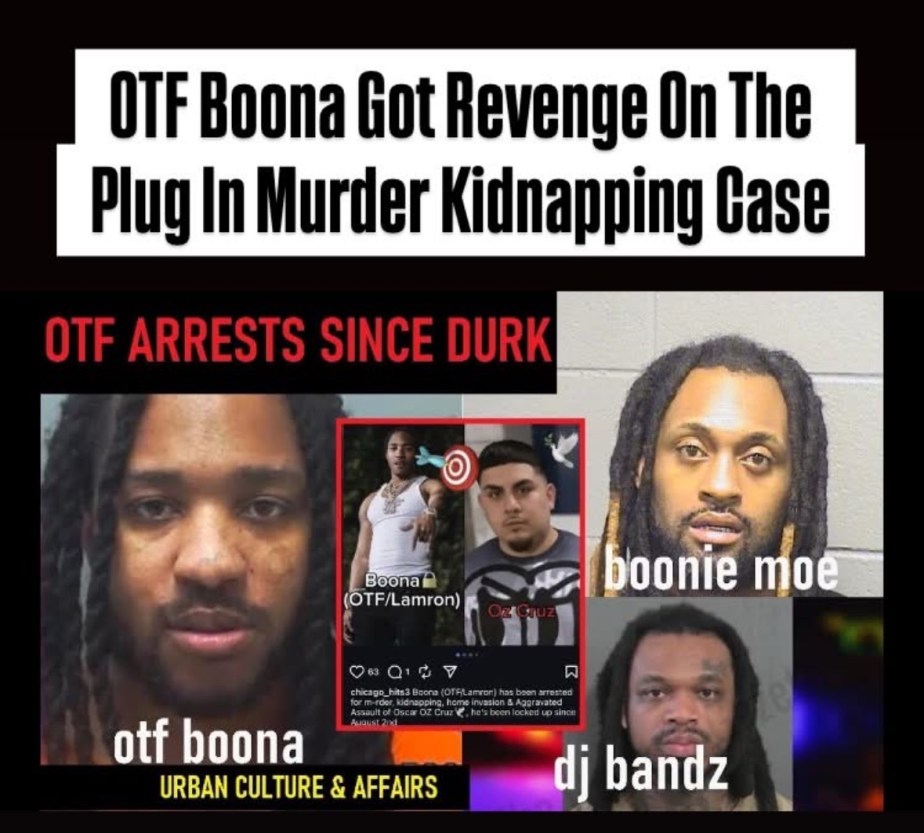
Rumors are circulating online that OTF affiliate Boona may have been involved in a revenge shooting. Posts on Reddit and Instagram claim the charges include kidnapping, home invasion and murder. Authorities have not publicly confirmed those details. (Facebook, Reddit, Instagram)

Whether the reports are true or not, the speculation alone shows how quickly OTF news spreads, and how hard it is for the crew to escape its street image and their own demons.

Boonie Moe in Court

In a confirmed case, Boonie Moe was sentenced to seven (7) to fifteen (15) years in prison in Douglas County on drug charges. He was convicted of possession with intent to distribute cocaine. (Facebook, YouTube, X/Twitter)

The sentencing sparked mixed reactions. Some say it’s another example of the system swallowing young Black men, while others point to personal responsibility. Either way, it’s another loss for OTF’s roster.

Lil Durk Facing Federal Charges

The biggest blow came last October when Lil Durk (Durk Banks) was arrested on federal murder for hire charges tied to the ambush of rapper Quando Rondo in Los Angeles. Federal prosecutors allege Durk arranged travel, vehicles and weapons for the attack, which killed Rondo’s cousin, Saviay’a Robinson. Rondo survived. (AP, Vulture, DOJ)

Durk remains in federal custody while legal experts warn the case could carry decades behind bars if he is convicted.

What’s Next for OTF

With Durk in jail, Boonie Moe sentenced and Boona facing rumors of a revenge hit, OTF stands at a crossroads. Crews in hip hop history have either folded when their leader was locked up or reinvented themselves to survive.

For Chicago’s rap scene, OTF has been more than a music group. It’s been a cultural force. The question now is whether the brand can push past the weight of court cases and controversy or if we’re witnessing the slow fade of one of drill’s most influential collectives, as drill is slowing down.

💭 My take:

OTF can’t move forward off just Durk’s name anymore. Either they evolve or they fade. Simple as that.

Check out my latest video with Street Certified News 📰 touching in detail about the subject.

Easy O’Hare Brings Nightmare O’Hare to Life on Friday the 13th 😈

Chicago – On the notoriously eerie date of Friday the 13th, Easy O’Hare fused horror and hip-hop in a way only he could, with the release of his latest album, Nightmare O’Hare. Held at The New Jo’s Bar and Grill in Merrillville, Indiana, the release event transported fans and peers into an immersive experience where sound collided with storytelling in a night full of adrenaline, ambiance, and authenticity.

But what’s the big deal with Friday the 13th?

For centuries, the number 13 has carried a reputation for bad luck, and when it lands on a Friday, that superstitious energy hits different. The fear is so widespread it has its own name: paraskevidekatriaphobia. Pop culture took it even further in 1980 with the horror classic Friday the 13th, introducing Jason Voorhees; the silent, masked killer who haunted Camp Crystal Lake and slashed his way into horror history. Since then, the date has come to symbolize fear, suspense, and rebellion; making it the perfect backdrop for Easy O’Hare’s latest creative strike.

His statement? It’s giving serial killer energy.

And he’s killing these other rappers especially when it comes to the way he curates his musical projects.

Nightmare O’Hare captures that chaotic yet calculated vibe. It’s raw, cinematic, and deeply unsettling in the best way. The album rides moody production and vivid lyricism, exploring the gritty realities of urban life, survival, and the kind of darkness you face when you’re moving a certain way.

When I rap it gets scary for the competition and we chose a beat selection that fit the mood of how scary it can actually get. With this project I was showing I can pop up outta nowhere with new music at any given time after my listeners hear Nightmare O’Hare they’ll definitely go download the past projects to get all the way tapped in with me.


The theme originated from a past rap beef where I had to switch forms from Easy O’Hare to nightmare

-Easy O’Hare

The Performance

Easy’s stage presence brought the music to life with gritty emotion and undeniable power. And the supporting acts? Just as heavy. The room was charged with energy, filled with people who came to show love and stayed to be moved. It was a whole vibe and yes, the chicken was fire too.

The Artist

  • Rico Moneyy
  • Kdoug Jr
  • Aboog
  • D’kno Mr.KNOITALL
  • ESC Deez
  • Fly cool club
  • Big Nastee
  • Easy O’Hare
  • Coldhard

The Bigger Picture

With Nightmare O’Hare, Easy doesn’t just drop music, he curates experiences and releases projects with precision. He proves that there’s room for 40-year-old rappers who trap 🏚️🪤 with strategy, successfully. This isn’t a moment; it’s a method.

Nightmare O’Hare is now streaming on all major platforms.

Stay tuned for visuals, BTS moments, and more drops by following him on Instagram: @easyohare_


🗣️ Did Trump Free Larry Hoover? Here’s What You Need to Know For Real

The short answer? No. But he did commute Larry Hoover’s federal life sentence, which is a big deal, but not the same as a full pardon.

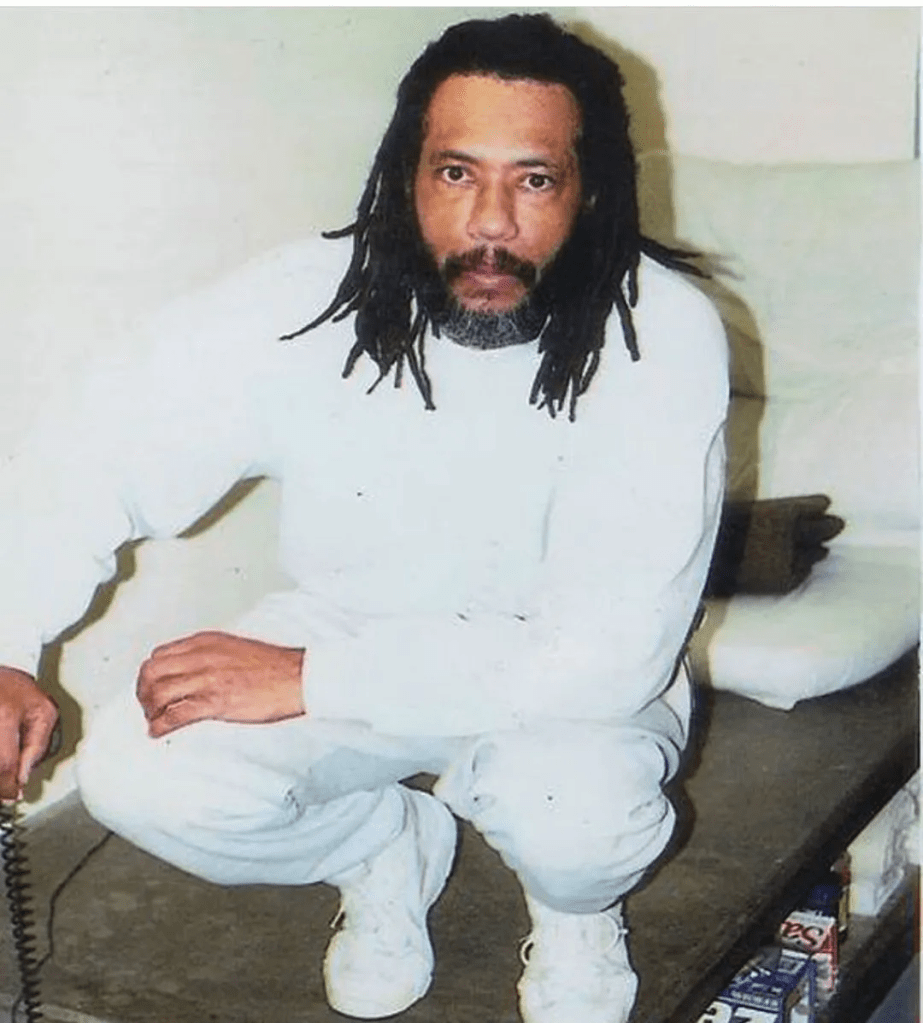
On May 28, 2025, President Donald Trump used his executive powers to commute the federal sentence of Larry Hoover, the co-founder of Chicago’s Gangster Disciples (GDs). That means his federal time was reduced, but his state sentence in Illinois remains in full effect.

🚫 A pardon erases a conviction.
A commutation shortens the sentence but leaves the conviction intact.

👉🏽 Hoover is still incarcerated, just no longer serving time under his federal sentence.

⚖️ Federal vs. State: Why Hoover Isn’t Free Yet

While the federal government no longer requires Hoover to serve life in a supermax prison, the State of Illinois still holds a separate life sentence against him. That stems from a 1973 murder conviction.

Credit: Larry Hoover Jr./Instagram

So even though Trump intervened federally, Hoover remains in prison under state custody.

🔗 Read ABC7’s breakdown of the current legal status

🌐 Why This Matters

Larry Hoover’s name carries legacy and controversy in Chicago. For decades, he’s been labeled a criminal mastermind. But in recent years, there’s been a push by his legal team and public figures to recognize the transformative work he’s done behind bars, including efforts to promote peace and redirect youth from gang life.

Even Kanye West and Drake brought global attention to Hoover’s case during their 2021 Free Larry Hoover Benefit Concert, adding cultural weight to the conversation about his potential release.

🔗 See the coverage from Baller Alert

🏛️ Why Did Trump Commute His Sentence?

Let’s be real: Trump’s use of presidential clemency powers has always been controversial. Many of his commutations and pardons have benefited high profile or politically connected individuals. Which is still publicity for him and his administration. Still, for communities dealing with over policing and mass incarceration, among other violations of civil and human rights, any shift in how justice is served becomes a moment of reflection and dialogue. So I claim this as a win for us in the hood.

🔗 Check out The Guardian’s analysis of Trump’s pardon strategy

💬 Thoughts

This decision is layered. Larry Hoover’s sentence was reduced because of his pardon of federal charges but he’s not free. Still, it opens the door to wider conversations about:

  • Sentencing reform
  • Community rehabilitation
  • The politics of who gets clemency
  • And the ongoing impact of legacy gang leaders in modern movements

Whether you’re from Englewood, the West Side, Auburn-Gresham like me or just someone trying to understand what’s real vs. what’s headlines; stay sharp, stay informed, and keep asking deeper questions because as a solid and native representation of urban culture, in the words of the Honorable Fred Hampton, Leader of the Illinois Chapter of the Black Panthers and a Chicago Native:

I Am A Revolutionary; Free Em All !

📌 Original Report Seen by: Kollege Kid

Chicago: The Blueprint of Urban Culture

There’s something undeniable about Chicago. The rhythm of our streets, the depth of our history, and the influence we hold in shaping urban culture across the nation and internationally, it runs deep. From house music and footwork to conscious rap and drill, Chicago has been a cultural cornerstone, birthing movements and voices that echo far beyond city limits.

That’s why moments like GloRilla giving Queen Key her flowers 💐 hit different. It’s more than just a viral moment, it’s recognition of legacy, talent, and the resilience of a city that has long been under credited and over influential.

Queen Key has always represented raw, unapologetic energy, the essence of what it means to be from the Chi and its surrounding communities. For another artist to publicly uplift her on tour is a powerful testament to sisterhood and respect in hip hop, especially amongst women at that young women, in an era where the city’s women are claiming space louder than ever.

Chicago isn’t just on the map, we are the map. The artists, the culture, the style, the stories, we influence the world, and it’s about time that legacy is consistently honored.

Flowers 💐 today. Crowns 👑 tomorrow.