Formerly Incarcerated Candidates Challenge Felon in Possession Laws

CHICAGO — Two Illinois political candidates are challenging federal and state laws that ban people with felony records from owning firearms, arguing the policies are unconstitutional and deny due process.

Andy Williams Jr. and Tyrone Muhammad filed suit in the U.S. District Court for the Northern District of Illinois, with an amended complaint submitted March 7, 2024. In a Sept. 11, 2025, press release, the candidates reaffirmed their stance that blanket firearm bans for people with felony convictions violate fundamental rights.

Official Press Release

The men say the laws treat all people with felony records as permanent threats to public safety, regardless of their rehabilitation or time since release.

Background

Williams served time for a robbery conviction and has remained law abiding since his release in 1991. He is currently running for Illinois attorney general; he’s a member of For The People, LLC, AWJ Ministries , a Painter, and a married family man.

Muhammad, who served time for murder, went on to found ECCSC (Ex-Cons for Community and Social Change) a nonprofit focused on community advocacy. He is now a candidate for the U.S. Senate.

Both men argue that their lived experiences make them uniquely positioned to highlight how existing laws disproportionately affect people who have rebuilt their lives.

Constitutional Questions

On Feb. 7, 2025, former President Donald Trump signed Executive Order 14206, directing the U.S. attorney general to protect the right to bear arms. Trump called the Second Amendment “an indispensable safeguard of security and liberty.”

Williams and Muhammad argue those protections must also apply to people who have served their sentences. They note that many formerly incarcerated people cannot afford private security and rely on their constitutional rights for protection.

Courts have also ruled that police have no constitutional duty to protect individuals:

In DeShaney v. Winnebago County Department of Social Services, 489 U.S. 189 (1989), the U.S. Supreme Court held that the state was not required to protect a child from an abusive father despite prior warnings. Read the case.

In Town of Castle Rock v. Gonzales, 545 U.S. 748 (2005), the Court found that police could not be sued for failing to enforce a restraining order that may have prevented the deaths of three children. Read the case.

“These rulings show that the government cannot guarantee personal safety,” the candidates said. “If police don’t have to protect us, then we must have the right to protect ourselves.”

The Legal Challenge

The lawsuit contests 18 U.S.C. § 922(g)(1) and Illinois statute 720 ILCS 5/24-1.1(a)(e), which bar people with felony convictions from possessing firearms.

Williams and Muhammad contend the laws are unconstitutional, overly broad and discriminatory. They are calling for legislative changes or constitutional amendments that would replace categorical bans with standards based on individual circumstances.

Call to Action

“I’m calling on others to join this fight,” Williams said. “Support the lawsuit by filing a motion to intervene. Watch for upcoming town halls where we’ll talk about your rights. I’m running for attorney general. I’ll protect the rights of the people, including the formerly and currently incarcerated people and their families.”

Denver Movement Law Firm Takes on High Profile Case of Jeff Fort, Seeks Federal Post-Conviction Relief

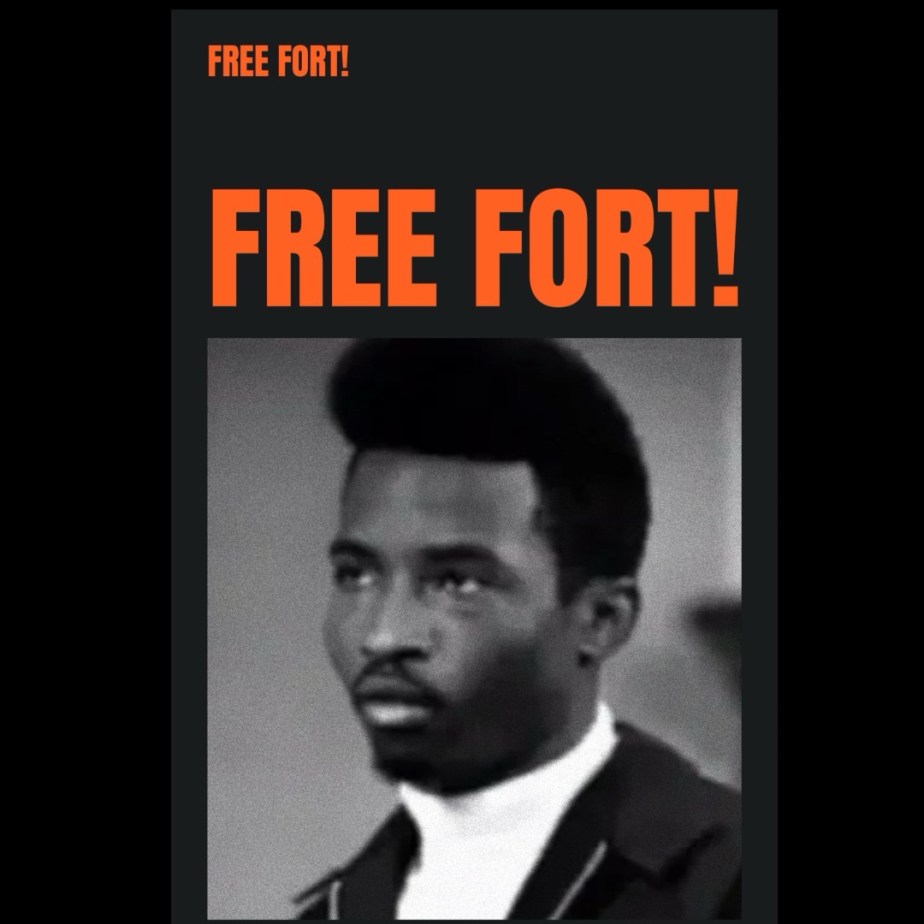
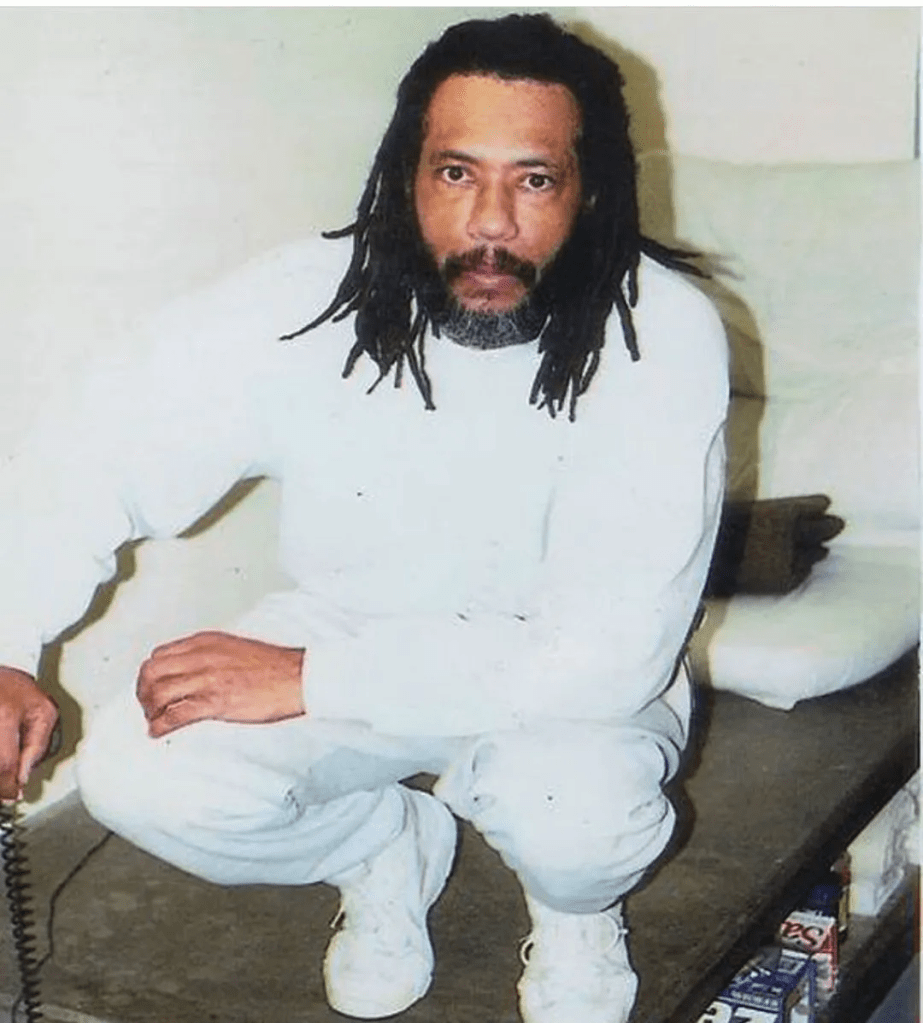
DENVER / CHICAGO, Sept. 30, 2025 — A Denver based law firm known for blending legal advocacy with movement organizing has announced it will represent Jeff Fort, also known as Imam Malik, in a sweeping post conviction relief effort. Fort, one of the most controversial figures in Chicago’s modern history, has been held under solitary confinement conditions at the United States Penitentiary Administrative Maximum Facility (ADX Florence) in Colorado for nearly two decades.

For the People, LLC, a movement law firm with offices in Denver and Sioux Falls, is stepping into the case with a multidisciplinary strategy. Attorney Jenipher R. Jones, Esq. will lead the team as they challenge both the conditions of Fort’s confinement and the longevity of his sentence under “old law” federal prisoner statutes.

“Mr. Fort’s case presents significant constitutional and legal issues that require immediate attention,” said Jones. “As a federal ‘old law’ prisoner, he faces unique challenges that demand focused advocacy and a comprehensive legal strategy. We look forward to working alongside all those who are currently pushing for his freedom.”

From Chicago Streets to Federal Supermax

Jeff Fort’s story is a complex one. Born in 1947, he rose to prominence in Chicago as co-founder of the Blackstone Rangers, later the Black P Stones, a gang that became one of the most influential and notorious in the city. Over the years, Fort’s leadership evolved into the creation of the El Rukn organization, which combined street influence with religious identity after his conversion to Islam.

By the mid 1980s, Fort was at the center of a federal indictment alleging conspiracy with representatives of Libya to commit terrorist acts in the United States. Convicted in 1987 on multiple counts, he received an 80 year sentence stacked on top of earlier convictions. His notoriety made him both a symbol of gang influence and government crackdowns during an era of “tough on crime” policies.

Since 2006, Fort has been housed at ADX Florence, the federal government’s most secure prison, where inmates spend up to 23 hours a day in solitary confinement. At 78 years old, his ongoing incarceration raises urgent questions about age, health, human rights, and the constitutional limits of isolation.

A Movement Law Firm with a Different Approach

For the People, LLC describes itself as a wholistic movement law firm. Unlike traditional firms that limit themselves to courtroom battles, For the People’s model integrates litigation with community advocacy, trauma informed practices, and interdisciplinary support.

The firm states plainly: “We are unapologetically Black, queer, disabled, Southern, formerly incarcerated, survivor, artist, abolitionist led.” This identity first approach signals that its work is not just about winning cases but challenging the systemic injustices that shape them.

Under Jones’ leadership, the firm has represented high-profile clients including Leonard Peltier and Eric King, both of whom were released from Bureau of Prisons custody during its representation. The firm’s track record has made it a growing force in the niche space of post conviction relief, civil rights advocacy, and political prisoner representation.

Supporting Fort’s case will be:

Andy Williams, Jr., Director of Litigation, Advocacy, and Strategy, a natural rights advocate with deep ties to Chicago’s activist landscape. Kalonji Jama Changa, Chief of Public Relations and Movement Engagement, responsible for movement communication and narrative strategy. A multidisciplinary team of attorneys, medical professionals, social workers, and advocacy specialists.

“This case exemplifies our commitment to challenging systemic injustices within the federal prison system,” said Changa. “Mr. Fort’s prolonged confinement under harsh conditions raises serious constitutional concerns that demand vigorous legal challenge.”

Why “Old Law” Status Matters

One of the central complexities of Fort’s case is his designation as an “old law” prisoner. This term applies to individuals sentenced before 1987, when sweeping federal sentencing reforms eliminated parole for most federal crimes. As a result, Fort remains subject to a parole board system that operates differently from the sentencing rules that govern most federal prisoners today.

His most recent parole hearing ended in denial, with the next statutory review scheduled for April 2027. Advocates argue that given his age, medical conditions, and record, his continued confinement, particularly under supermax isolation, constitutes cruel and unusual punishment.

Earlier this year, Fort sought relief under the First Step Act, a reform designed to expand compassionate release for elderly and sick inmates. That petition was denied, underscoring the uphill nature of his legal battle and the urgency of new representation.

The Legal and Human Stakes

For the People, LLC’s representation of Fort goes beyond technical appeals. The firm’s strategy includes:

  • Challenging the constitutionality of prolonged solitary confinement at ADX Florence.
  • Seeking improved medical care and age appropriate placement.
  • Exploring avenues for executive clemency and commutation.
  • Raising international human rights claims to draw attention to the broader issue of elderly prisoners held in extreme isolation.

In many ways, Fort’s case serves as a litmus test for how the U.S. justice system treats its most vilified inmates. Can constitutional protections extend even to those with notorious reputations? At what point does punishment become excessive, especially for aging prisoners?

Looking Ahead

With parole off the table until 2027, Fort’s new legal team faces an uphill battle. But For the People, LLC has signaled that it is prepared to exhaust every available legal remedy.

“We look forward to advocating for Mr. Fort’s transfer to an institution that is appropriate and conducive to his age, medical needs, and disciplinary record, never losing sight of his freedom as the ultimate objective,” Jones said.

For supporters, the launch of FreeFort.org serves as a central hub for updates and advocacy efforts. The site chronicles Fort’s legal history and provides avenues for public engagement in the campaign for his release.

A Case Larger Than One Man

Ultimately, the representation of Jeff Fort is not just about a single prisoner. It is about what kind of justice system the United States wants to uphold in the 21st century. For the People, LLC’s involvement underscores that legal battles are not fought in isolation, they are entangled with questions of race, politics, history, and humanity itself.

As Fort enters his late seventies behind supermax walls, his case forces the public to confront uncomfortable questions: How long is long enough? And at what point does justice demand mercy?

To read official press release from For The People, LLC’s Changa, Chief of Public Relations and Movement Engagement, click here.

Leave a comment and share your thoughts 💭

🗣️ Did Trump Free Larry Hoover? Here’s What You Need to Know For Real

The short answer? No. But he did commute Larry Hoover’s federal life sentence, which is a big deal, but not the same as a full pardon.

On May 28, 2025, President Donald Trump used his executive powers to commute the federal sentence of Larry Hoover, the co-founder of Chicago’s Gangster Disciples (GDs). That means his federal time was reduced, but his state sentence in Illinois remains in full effect.

🚫 A pardon erases a conviction.
A commutation shortens the sentence but leaves the conviction intact.

👉🏽 Hoover is still incarcerated, just no longer serving time under his federal sentence.

⚖️ Federal vs. State: Why Hoover Isn’t Free Yet

While the federal government no longer requires Hoover to serve life in a supermax prison, the State of Illinois still holds a separate life sentence against him. That stems from a 1973 murder conviction.

Credit: Larry Hoover Jr./Instagram

So even though Trump intervened federally, Hoover remains in prison under state custody.

🔗 Read ABC7’s breakdown of the current legal status

🌐 Why This Matters

Larry Hoover’s name carries legacy and controversy in Chicago. For decades, he’s been labeled a criminal mastermind. But in recent years, there’s been a push by his legal team and public figures to recognize the transformative work he’s done behind bars, including efforts to promote peace and redirect youth from gang life.

Even Kanye West and Drake brought global attention to Hoover’s case during their 2021 Free Larry Hoover Benefit Concert, adding cultural weight to the conversation about his potential release.

🔗 See the coverage from Baller Alert

🏛️ Why Did Trump Commute His Sentence?

Let’s be real: Trump’s use of presidential clemency powers has always been controversial. Many of his commutations and pardons have benefited high profile or politically connected individuals. Which is still publicity for him and his administration. Still, for communities dealing with over policing and mass incarceration, among other violations of civil and human rights, any shift in how justice is served becomes a moment of reflection and dialogue. So I claim this as a win for us in the hood.

🔗 Check out The Guardian’s analysis of Trump’s pardon strategy

💬 Thoughts

This decision is layered. Larry Hoover’s sentence was reduced because of his pardon of federal charges but he’s not free. Still, it opens the door to wider conversations about:

  • Sentencing reform
  • Community rehabilitation
  • The politics of who gets clemency
  • And the ongoing impact of legacy gang leaders in modern movements

Whether you’re from Englewood, the West Side, Auburn-Gresham like me or just someone trying to understand what’s real vs. what’s headlines; stay sharp, stay informed, and keep asking deeper questions because as a solid and native representation of urban culture, in the words of the Honorable Fred Hampton, Leader of the Illinois Chapter of the Black Panthers and a Chicago Native:

I Am A Revolutionary; Free Em All !

📌 Original Report Seen by: Kollege Kid

The Culture is the Curriculum: How Hip Hop Became a Social Political Force

Hip Hop was never just a soundtrack, it was a survival guide, a protest language, and a cultural archive passed through boom bap beats and breath. Today, as the world watches the Hip Hop generation step into political arenas, from local elections to the United Nations, we are forced to ask: Who controls the culture now? And what does it mean to be Black, American, and powerful in a world that still tries to erase the blueprint?

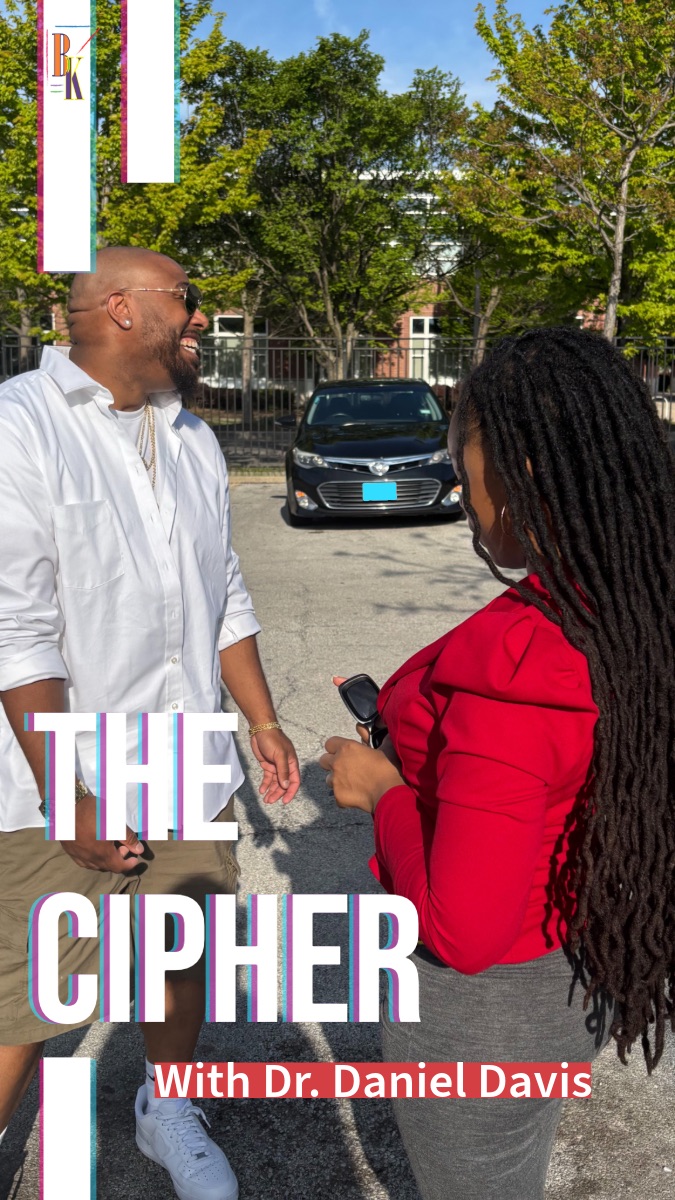
In my new interview series The Cipher & The System I’m going to discussing the state of the culture, the importance of solving our identity crisis and setting a standard for the stewards, creatives, and other associates of Hip Hop that benefit from our Black American culture.

Full video is going through post production, bare with me.

It’s time to set the bar, revolutionize the voice of the culture and if not me then who? Seriously 😒 tho.

From Party to Power: The Political Birth of Hip Hop

What began in the Bronx as a celebration of rhythm, rhyme, and resistance has evolved into a global political force. Hip hop was never just about beats and bars, it was a cry from the margins, a cultural blueprint for survival in the face of systemic neglect.

As pioneers like Afrika Bambaataa and Grandmaster Flash turned block parties into platforms for protest, the culture began to birth its own consciousness. From the raw social critiques of Public Enemy to the electoral mobilizations led by artists and organizers today, hip hop continues to shift and our goal is to go back to our roots to use it as a tool to party for power, reminding the world that the mic is mightier than many know.

The Crisis of Identity in the Age of Influence

In a time where virality is often mistaken for value, the Black identity is being reshaped by algorithms and aesthetics more than lived experience and ancestral knowledge.

Hip hop, once a vehicle for self-definition, is now caught between commercialization and cultural reclamation. Who are we beyond the brand deals, trending sounds, and curated lifestyles? This crisis of identity isn’t just a cultural issue, it’s political. It determines who tells our stories, who profits from our pain, and how we define ourselves in the face of erasure and exploitation.

Dr. Daniel Davis on Education, Legacy & Liberation

Dr. Daniel Davis doesn’t just teach African American history, he embodies its living legacy. A leading voice on culturally relevant pedagogy, Dr. Davis believes education is the first site of liberation. In this exclusive interview, he shares why hip hop is not only a genre but a pedagogy, and how understanding our past is key to shaping our political and cultural future. His work centers the value of legacy, not as nostalgia, but as fuel for the fight for equity, self determination, and generational power.

Can We Build Cultural Institutions That Don’t Exploit Us?

Too many institutions built on Black creativity have failed Black communities. Whether in academia, music, media, or the nonprofit sector, the pattern is familiar: our genius is extracted, repackaged, and sold back to us, often without ownership, authorship, or autonomy.

It’s time to ask the hard questions: Can we build spaces where cultural integrity outweighs commercial interest? Where our narratives are protected, not commodified? Where cultural stewards are supported, not silenced? The answer requires both imagination and infrastructure, and a refusal to trade authenticity for access.

The Next Generation Needs Standards, Not Gatekeepers

There’s a difference between preserving culture and policing it. As hip hop enters its fifth decade, we owe the next generation more than nostalgia or elitism.

We owe them standards anchored in ethics, excellence, and historical context. These standards aren’t meant to stifle creativity but to safeguard legacy. Instead of gatekeepers, we need mentors, archivists, and architects, those who understand that true cultural preservation happens not by exclusion, but by elevation.

The youth are watching. Let’s give them more than permission, we must give them principles.

If we don’t teach the history of Hip Hop, we leave its future in the hands of people who never lived it.

Dr. Daniel Davis

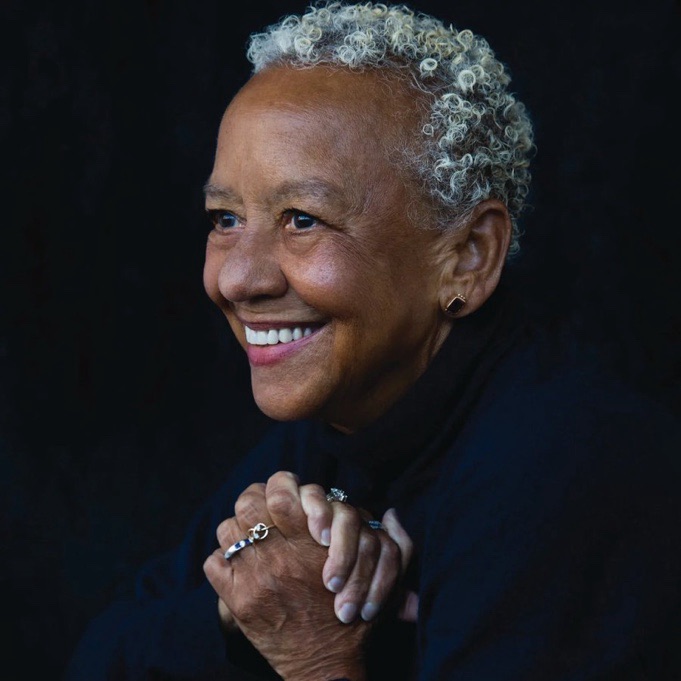
Honoring Nikki Giovanni: A Legacy of Empowerment and Activism

Nikki Giovanni, the iconic poet and educator, passed away on December 9, 2024, leaving behind a powerful legacy that shaped both literature and activism. A prominent voice in the Black Arts Movement, her poems like Ego-Tripping and Nikki-Rosa boldly addressed racial identity and justice. Beyond her writing, Giovanni was an inspiring professor, advocating for empowerment and change. Known for her unapologetic spirit, Giovanni’s influence will continue to resonate, as her words remain a beacon of strength, resilience, and love for generations to come.

Rest well and may the ancestors receive you.

Transcending Legend @ProdigyMobbDeep crosses over at 42 years of age, Rest In Power 👑 

You know Albert “Prodigy” Johnson as 1/2 of Mobb Deep. The Infamous, Mobb Deep who brought you “Shook Ones” and “Quiet Storm”. The Hip Hop Community has definitely lost a real one but gained a “G” angel 😇.

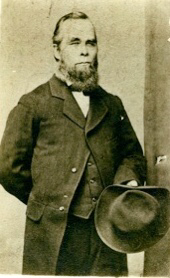
Prodigy comes from rich “African American” history. His great-great-great grandfather 👴🏽 ,William Jefferson White, is responsible for founding Morehouse College along with three other fellas. He started the prestigious college in his church basement from humble beginnings. 

Images are subject to copyrights. I do not own these images

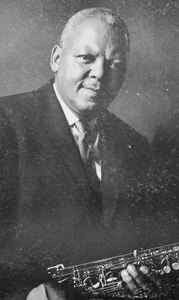
His grandfather 👴🏽 Albert “Budd” Johnson was an “African American” saxophonist and clarinetist. He has worked with Duke Ellington, Billie Holiday, Dizzy Gillespie, and Earl Hines. He’s worked with many more music 🎶 pioneers of his time. As you can see below he reseambles his grandfather. 

Images are subject to copyright. I do not own this image.
This image is subject to copyright. I do not own this image

Many celebrities and culture enthusiasts from the Hip Hop Community have shared their memorable moments of Prodigy. Here’s some below. 

Nas, 50 Cent, and many more shared there condolences. 

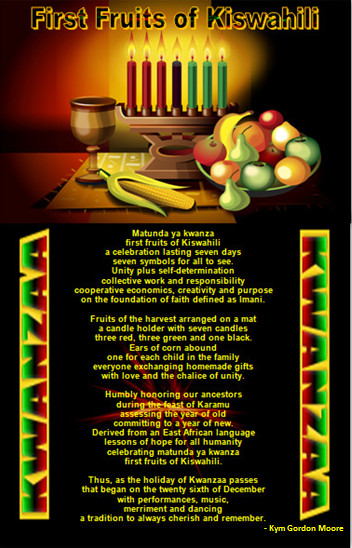
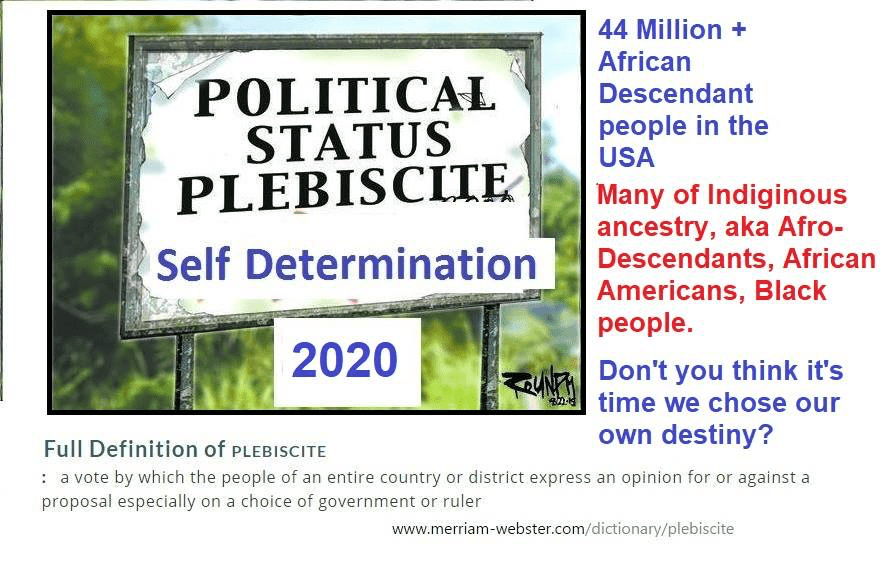
Striving for and Maintaining Unity in the Family, Nation, and Race of Humanity, Kujichagulia (Self-Determination)

Habari Gani Family


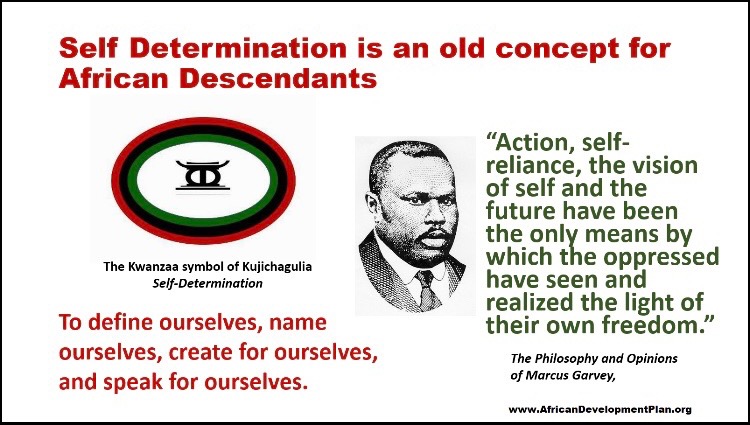
It’s day 2 of Kwanzaa and we’re moving in a better direction for Umoja (Unity) and Kujichagulia (Self-Determinatiton). I know I am. Since the new moon in Capricorn I’ve just been on some new news. I respect the perspectives and opinions of others but they do not have to define who I am nor do their realization or acceptance of the meaning of a word or how they think a story should be told. I’ve learned to save space to share their ideas too. It doesn’t make anything right or wrong but the main goal is, to tell the truth. All people can live by the principles of Kwanzaa which is what I love ❤️ and we can build on this foundation to create a better condition because life isn’t a joke right now, and we need to consider building community as serious business. We can’t talk about reparations without repatriation and building for ourselves. I’m not failing to tell the story the way it should be. I honor my ancestors and want to create relationships that represent the truth of power and true power. We will unite politically, culturally, and economically.

Credit: Cecile Johnson
Credit: Cecile Johnson, CEO & Founder of The African Development Plan

We are celebrating the present, our future, and the past in merriment. We’re on the road to decolonization and self-determination as a family, nation, and people. It’s a great time to be living and practicing Sankofa. The path to self-determination has to be a true, consistent, and persistent one. It can’t just be doing festive times or when one is being killed in the streets or harassed by the police or even lied to by politicians and the governments. It must be and will be a way of life and come about during reflection of who we, who’s we are, and where we are to know what our path to development looks like. We’re more than entertainers, athletes, influencers, workers, and blacks or whatever you subscribe to. We are living beings having a human experience and we’re here to develop humanity’s consciousness.

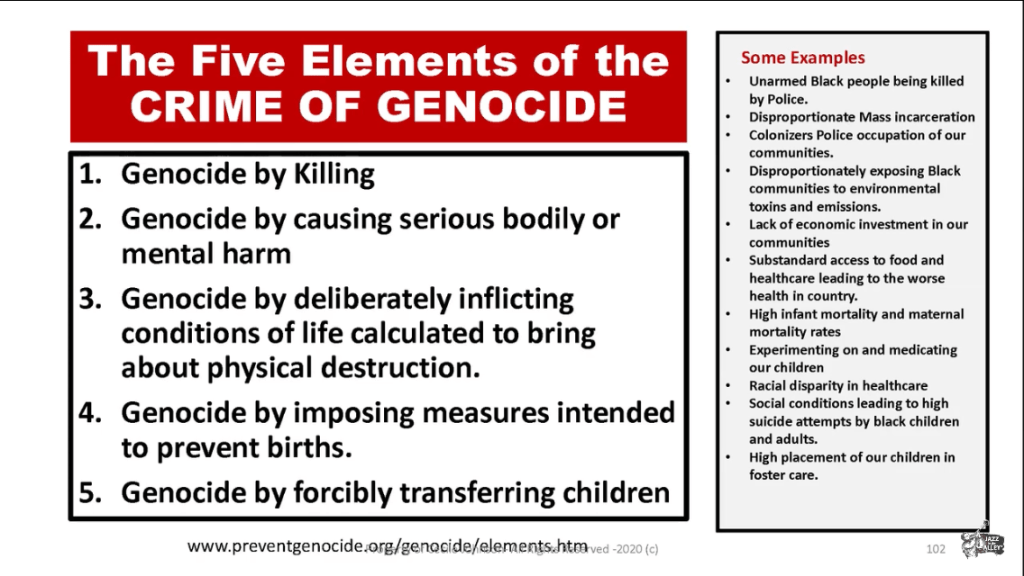
We’re Growing Through Genocide

Credit: Cecile Johnson

Fetch What is at Risk of Being Left Behind

Sankofa is learning from the past, not forgetting our history and heritage. We have to communicate with each other what we know, our perspectives, and our insights. To inform the present and the future we must know the past truths, lies, and reality. My history and heritage has a large chunk of slavery, war, and people being misnomered. I will not turn the cheek to that nor act like it’s not part of what I have inherited as a descendant of my ancestors and elders. It will not be lost nor forgotten but used to determine solutions to problems and evolve our way of life. We are aborigines and we need to determine our status and stand on our rights. We must fetch what is at risk of being lost and asking questions not only to get answers but to remedy them. There’s always new learning as we move and discover what was left behind.

My Stance

I’m riding with mine, my people, and urbanely correcting what is wrong or misunderstood. I am not asking for permission to support anyone who may be taking their stance when it relates to who we are as a people that seem to be nationless when we are not. I am claiming my identity and inserting it. It’s not up for debate or to be questioned. I am lessening distractions and moving in truth while I’m here on earth.

I’m working on a level of diplomacy where I can accept the perspectives, opinions, and insights of others without allowing them to change who I am, how I’ve chosen to self-identify and determine how I express myself, I will not come off my throne to please others nor demean them for how they choose to see things. That is the true power of self-determination when acting based on ethics, ethnicity, and value.

Same time this shit is bigger than me. It’s bigger than you, it’s bigger than us but it’s us against everybody if I choose. And I choose.

Credit: Cecile Johnson

Remember and be encouraged that we are one people

Cecile Johnson

Artist @1YoungTakeoff 1/3 of The Migos has passed at 28, @OffsetYRN & @QuavoYRN Life isn’t Promised, Love ❤️ Conquers All

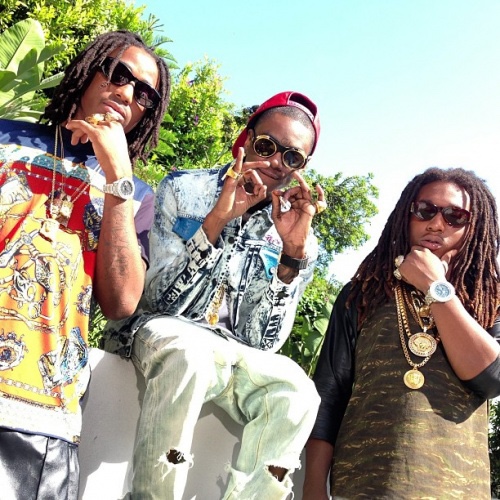
MIGOS Trio and Original Family Members

Family is important and holding on to things that can be reconciled hurts the most when you can’t get things right. In this case we don’t know if Takeoff and Offset or Quavo and Offset were speaking. They aren’t just family by blood 🩸 but through success which makes their ties even more stronger.

Loyalty before royalty is everything, and I don’t know what truly happened between the family members even though there are speculations about the situation but I don’t get into rumors. I only get into LOVE ❤️ and things I know to be true.

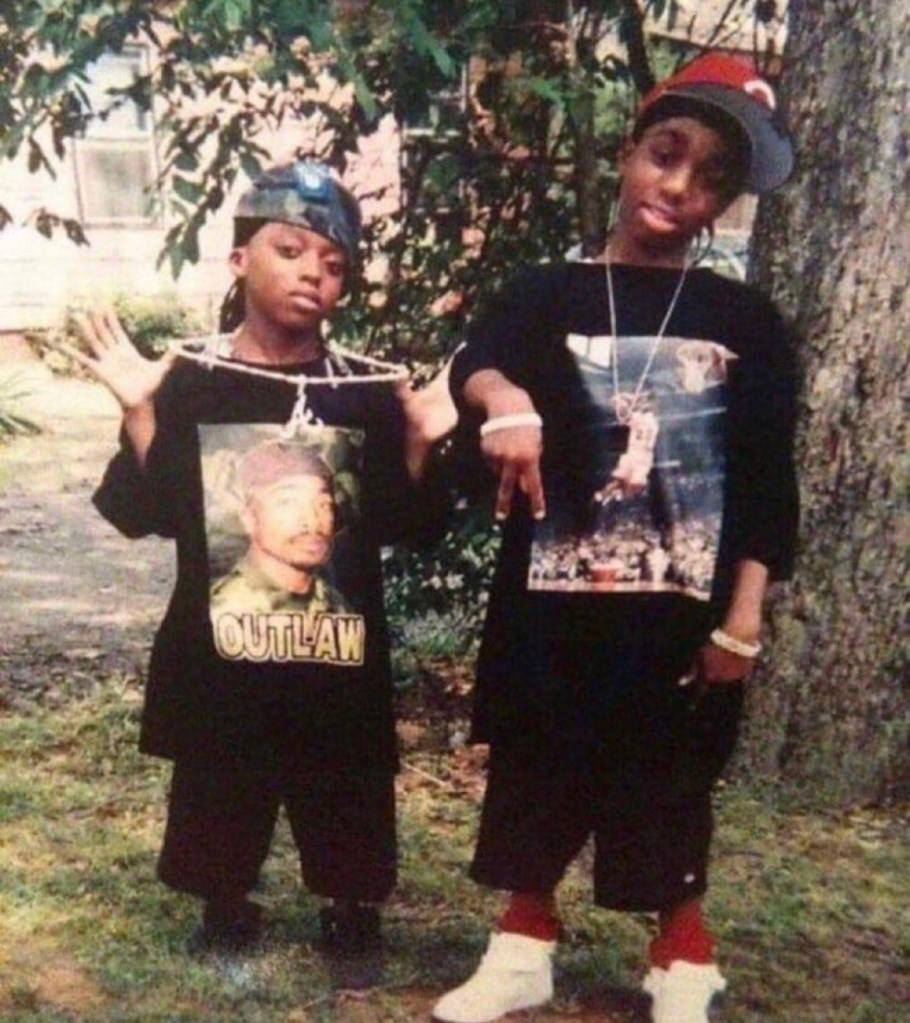
Takeoff and Quavo as children

I hope this brings the other two Migos back together and that conflict resolution takes place because love 💗 conquers all. Quavo will never be the same again and neither will Offset. Quavo had to witness this ordeal and Offset will never get to speak his peace because everyone’s ego was in the way.

Clout is a hell of a drug.

There is a lot of unsentimental and insensitive reporting happening right now as it relates to the story and I refuse to partake for clicks. It is important to the culture but most importantly what the culture needs right now is LOVE, ETHICS, and UNITY.

Takeoff and Offset Showing love ❤️

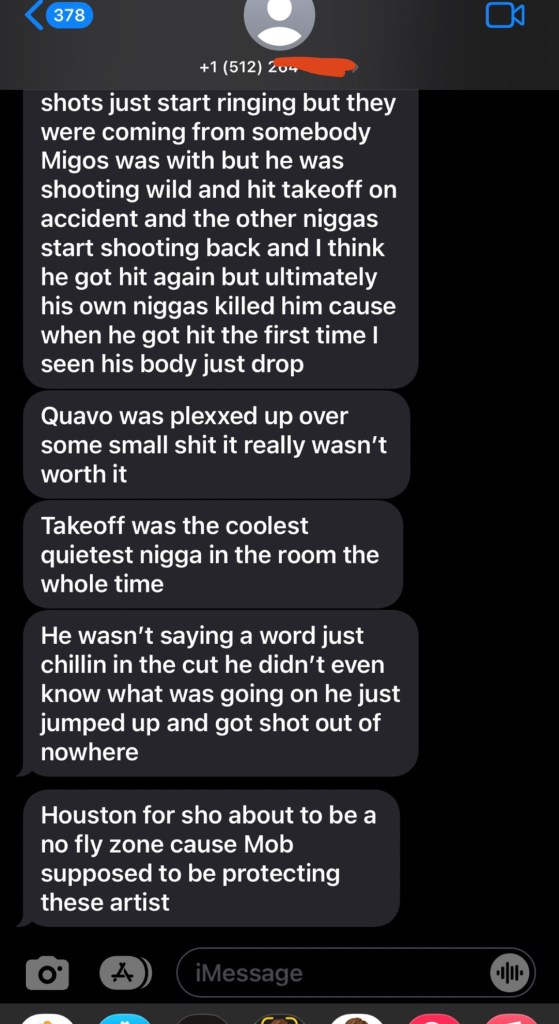
It has been reported that Artist, Kirshnik Khari Ball, better known as Takeoff was shot and killed at 810 Billiards 🎱 and Bowling 🎳 located at 1201 San Jacinto, around 2:40 a.m. (Click 2 Houston)

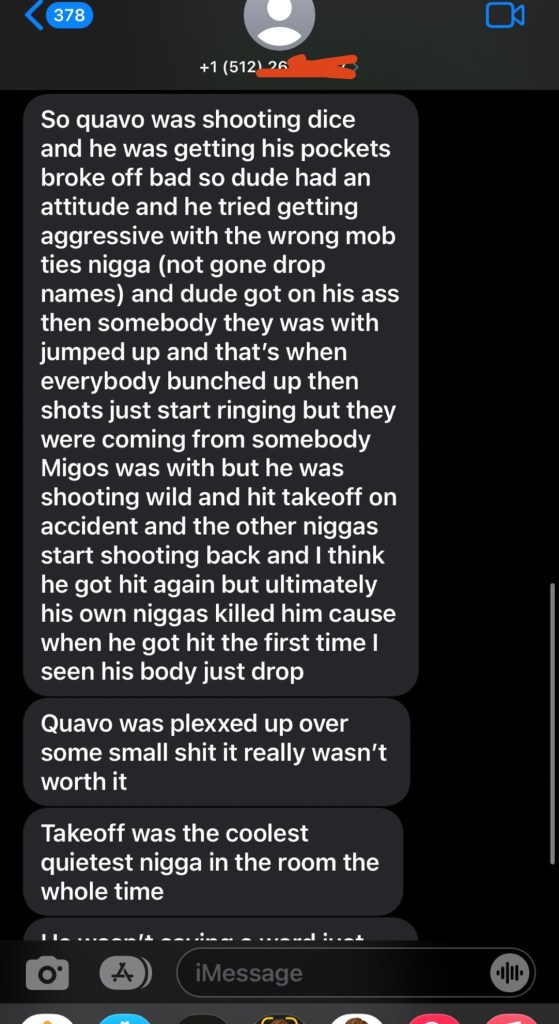
Messages from a Source who was there (Twitter)
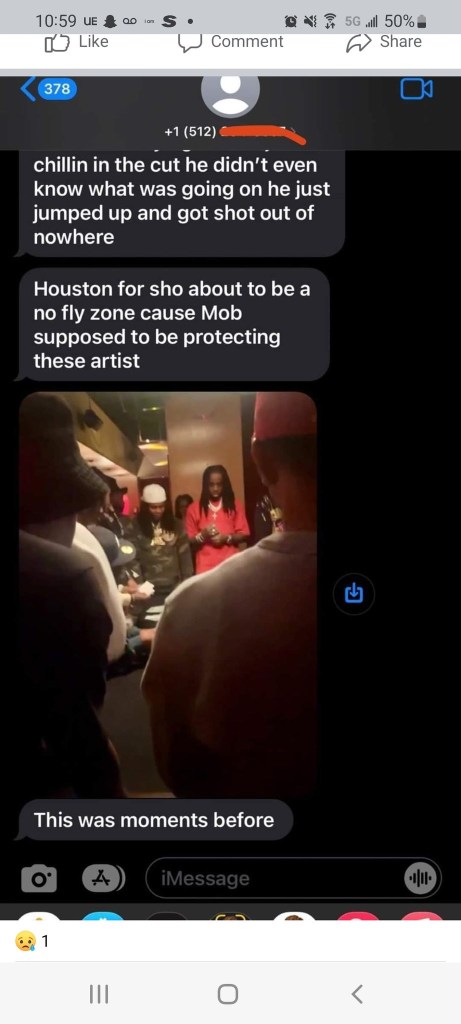
Messages continued
Messages continued

“Officers said when they arrived at the scene, they located a large crowd and a man with a gunshot wound to the head or neck. The man, who officers did not immediately identify, was pronounced dead at the scene, HPD said. (Click 2 Houston”

I send much love ❤️ light 💡 and peace ☮️ to the family at this time.

The Migos before the clout and evolving into international business. Get with your family and make it right.

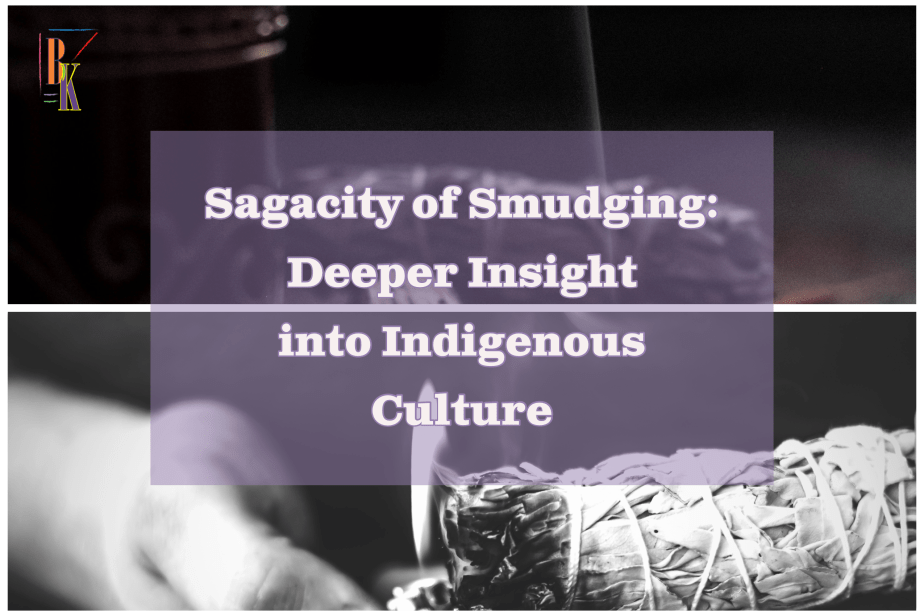
Sagacity: The Sacred Practice of Sage Burning

It is wise to know where your practices come from and to have deep insight into how they not only impact you, but the world. Sage comes in more than 900 species, according to Southern Living. It is a medicinal plant used in culinary and spiritual practices. It was once considered a medicinal cure-all, and can still be used to cure many dis-eases. The plant and the uses of it has become a trendy wellness practice. It is very important to know where this trend derived from and to protect the tradition by having a clear understanding of the practice to work effectively with indigenous peoples and Mother Nature.

The practice of burning sage is culturally sensitive to indigenous peoples but it’s something that we should also consider the agriculture process of and how it effects the environment.

Sage burning also known as smudging, is used for purifying and cleansing the spirit of negative energy in the home, room, or body, helping to maintain a satisfactory aura. The term smudging comes from indigenous tribes, commonly, in North America. A good question is, do they practice this medicine in other cultures, if so, where and what are they called ?

Bustle’s Nyla Burton, said “when non-native people burn sage to “smudge” their homes or other spaces, it can minimize the cultural importance of this ritual, and have a negative impact on how the herbs are grown. Instead, advocates say non-native people can learn to cleanse their spaces in ways that are culturally and ecologically sensitive. There are lots of ways to achieve the benefits of smudging by using more ethical practices, terminology, and materials.”

Definition of Smudging

“Sacred smoke from burning medicinal or sacred plants, a traditional ceremony for purifying and cleansing soul of negative thoughts of a person or place.”

The Four Elements

  • Traditionally, a shell is used as a container representing water the first element
  • Four sacred plants that are gifts from mother earth represent the second element, earth.
    • Cedar
    • Sage
    • Sweetgrass
    • Tobacco
  • Lighting of the sacred plants produces the third element, fire.
  • Smoke from the fire produces the fourth element, air.

To learn more about working effectively with Indigenous Peoples visit Indigenous Corporate Training, Inc. for more.

It is better to light the plant with a match then a gas lighter. You can burn both the leaves and the stems before wavering over the subject by hand or with a feather,traditionally natives use eagle feathers. The person being smudge can pull the smoke towards them to inhale softly. When finished the ashes are then returned to mother earth, for which this is where the gifts came from. It is said and believed that the ashes absorbs the negative thoughts and feelings.


Sources

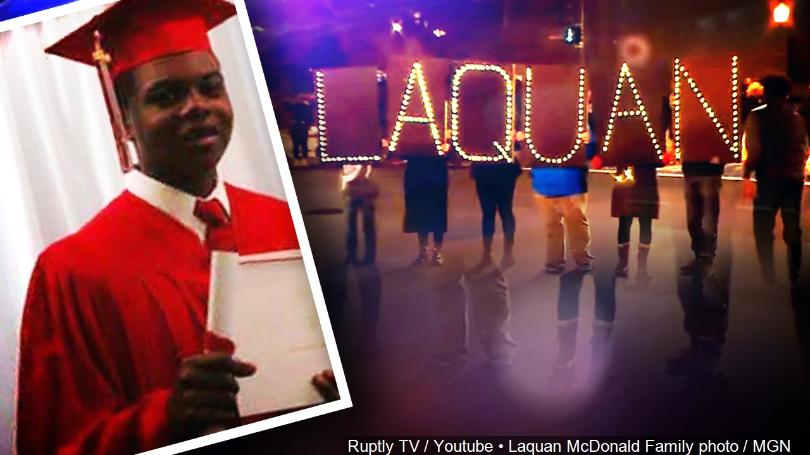
Analysis: Laquan McDonald’s Aggressor has been Convicted of 2nd Degree Murder and 16 Counts of Aggravated Battery with a Firearm;but not Guilty of Official Misconduct of Office

For 3 years, I watched my peers fight for justice throughout the city and they have finally been served what they asked for: A CONVICTED MURDER.

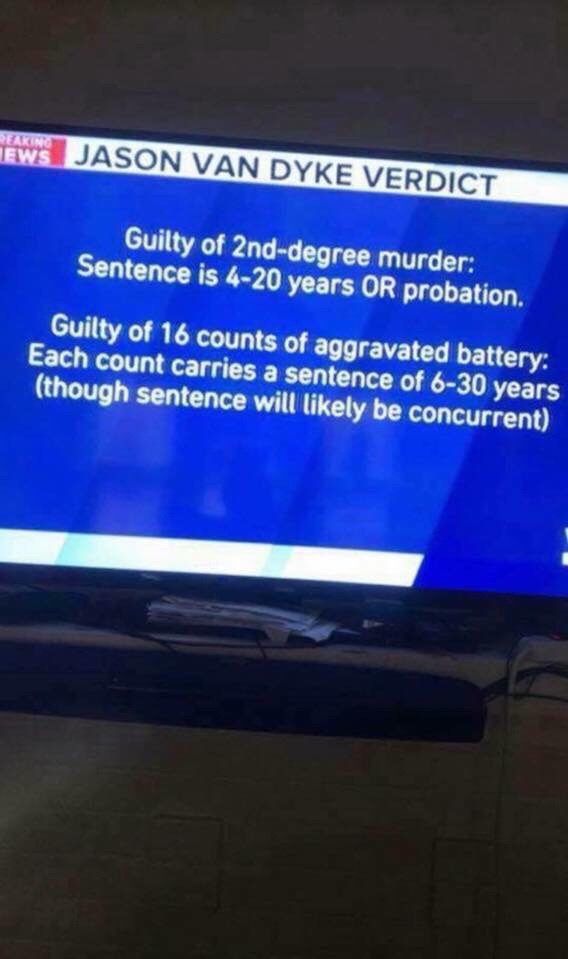
On Friday, the ex-Officer, Van Dyke was found guilty of second degree murder and 16 Counts of aggravated battery with a firearm; for every bullet he fired into Laquan’s Estate (body), as adduced by the judge. He was found not guilty on official misconduct of office. Dyke’s bond was revoked and sentencing has been scheduled for October 31.

Three officers have been charged with conspiracy, obstruction of justice, and official misconduct: Officer Thomas Gaffney, former Detective David March, and ex-officer Joseph Walsh (Van Dyke’s partner). Prosecutors alleged that the three lied in reports about 17-year old, Laquan McDonald, being a threat October 20, 2014.

This is a victory not only for the city of Chicago but for Black America. I learned a lot from my peers and their journey in fighting for justice for Laquan. I learned that we don’t have to agree on everything but what we do agree on is we want change for ourselves and community; we can accomplish a great deal when we stand up for what we believe in and that we are here to make change.

What they have done for the city is remarkable: Mayor won’t be running for second election, superintendent was fired, and local prosecutor lost her bid for reelection, as reported by NY TImes. They are working on upcoming elections, Black Caucus and the morally corrupt alderman(s).

Looking Forward to Sentencing, logically.

I am happy for the verdict and my peers, but “we” must be logical about how he was convicted and not emotional about the ordeal. I performed some research on criminal laws and doctrines related to the case. I also critically examined the communication disseminated by media.  

I am not a lawyer nor a judge. I am an independent journalist and scholar, my duty and responsibility is to examine cases critically with logic and supporting facts.

Breaking it down, charge by charge.

According to the Illinois State Laws, second degree murder carries the sentencing between four (4) to twenty (20) years and is charged as a Class 1 felony. Depending on the leniency of the judge and the circumstances of the crime, a four-year probation term instead of prison may be an option. The maximum fine is $25,000 plus a surcharge of $3,125. Upon release from prison, there is a mandatory two year parole period.”

In regards to the aggravated assault and battery, according to the Illinois General Assembly, if committed with a dangerous instrument, it is defined in subdivision as a Class X felony which a person can be sentenced to imprisonment a minimum of 6 years to a max of 45 years.

Excerpt from Illinois General Assembly


Aggravated battery as defined in subdivision (e)(1) is a Class X felony.

   Aggravated battery as defined in subdivision (a)(2) is a Class X felony for which a person shall be sentenced to a term of imprisonment of a minimum of 6 years and a maximum of 45 years.

   Aggravated battery as defined in subdivision (e)(5) is a Class X felony for which a person shall be sentenced to a term of imprisonment of a minimum of 12 years and a maximum of 45 years.

   Aggravated battery as defined in subdivision (e)(2), (e)(3), or (e)(4) is a Class X felony for which a person shall be sentenced to a term of imprisonment of a minimum of 15 years and a maximum of 60 years.

   Aggravated battery as defined in subdivision (e)(6), (e)(7), or (e)(8) is a Class X felony for which a person shall be sentenced to a term of imprisonment of a minimum of 20 years and a maximum of 60 years.

   Aggravated battery as defined in subdivision (b)(1) is a Class X felony, except that:

       (1) if the person committed the offense while armed

    with a firearm, 15 years shall be added to the term of imprisonment imposed by the court;
       (2) if, during the commission of the offense, the
    person personally discharged a firearm, 20 years shall be added to the term of imprisonment imposed by the court;
       (3) if, during the commission of the offense, the
    person personally discharged a firearm that proximately caused great bodily harm, permanent disability, permanent disfigurement, or death to another person, 25 years or up to a term of natural life shall be added to the term of imprisonment imposed by the court.


Illinois One Act, One Crime Doctrine

Former Will County Prosector, Jack Zaremba’s Law Office statesa criminal defendant can only be convicted of one crime that corresponds to a particular action, even if that action could constitute more than one offense.”

Which means that he will be sentenced for both charges; possibly serving the minimum imprisonment time or probation; the 16 counts of aggravated battery not holding much weight, can be combined and considered one act for sentencing. Let’s not forget this is a first offense for him and that we must consider if the judge will be lenient or not.

His time will more than likely not be consecutive but concurrent.

In Closing

Kevin Graham, president of the Chicago Fraternal Order of Police, says the conviction will be appealed. 

Did we really get justice?

Citations

Illinois Assault and Battery Laws. (n.d.). Retrieved from https://statelaws.findlaw.com/illinois-law/illinois-assault-and-battery-laws.html

Illinois General Assembly – Illinois Compiled Statutes. (n.d.). Retrieved from http://www.ilga.gov/legislation/ilcs/fulltext.asp?DocName=072000050K12-3.05

Illinois Second Degree Murder Laws. (n.d.). Retrieved from https://statelaws.findlaw.com/illinois-law/illinois-second-degree-murder-laws.html

One Act, One Crime Doctrine. (n.d.). Retrieved from https://zarembalawoffice.com/blogs/one-act-one-crime-doctrine