šŸ—£ļø Did Trump Free Larry Hoover? Here’s What You Need to Know For Real

The short answer? No. But he did commute Larry Hoover’s federal life sentence, which is a big deal, but not the same as a full pardon.

On May 28, 2025, President Donald Trump used his executive powers to commute the federal sentence of Larry Hoover, the co-founder of Chicago’s Gangster Disciples (GDs). That means his federal time was reduced, but his state sentence in Illinois remains in full effect.

🚫 A pardon erases a conviction.
āœ… A commutation shortens the sentence but leaves the conviction intact.

šŸ‘‰šŸ½ Hoover is still incarcerated, just no longer serving time under his federal sentence.

āš–ļø Federal vs. State: Why Hoover Isn’t Free Yet

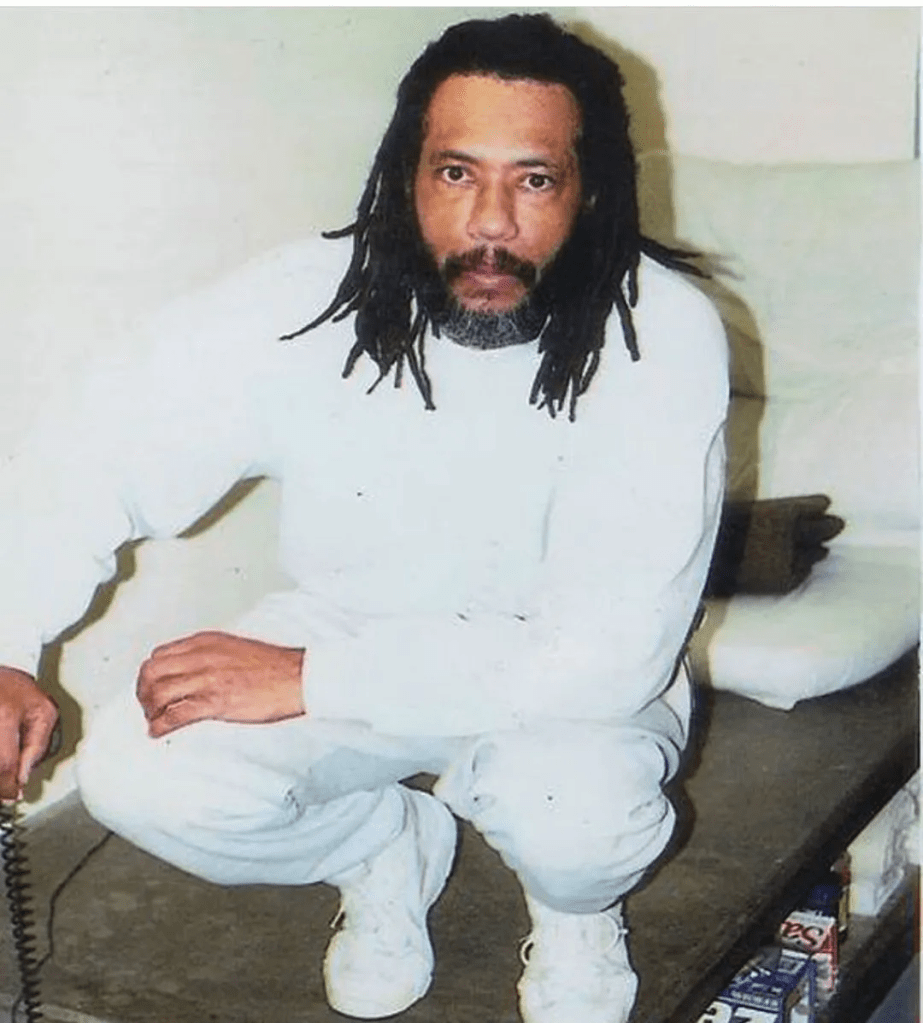
While the federal government no longer requires Hoover to serve life in a supermax prison, the State of Illinois still holds a separate life sentence against him. That stems from a 1973 murder conviction.
Credit: Larry Hoover Jr./Instagram

So even though Trump intervened federally, Hoover remains in prison under state custody.

šŸ”— Read ABC7’s breakdown of the current legal status

🌐 Why This Matters

Larry Hoover’s name carries legacy and controversy in Chicago. For decades, he’s been labeled a criminal mastermind. But in recent years, there’s been a push by his legal team and public figures to recognize the transformative work he’s done behind bars, including efforts to promote peace and redirect youth from gang life.

Even Kanye West and Drake brought global attention to Hoover’s case during their 2021 Free Larry Hoover Benefit Concert, adding cultural weight to the conversation about his potential release.

šŸ”— See the coverage from Baller Alert

šŸ›ļø Why Did Trump Commute His Sentence?

Let’s be real: Trump’s use of presidential clemency powers has always been controversial. Many of his commutations and pardons have benefited high profile or politically connected individuals. Which is still publicity for him and his administration. Still, for communities dealing with over policing and mass incarceration, among other violations of civil and human rights, any shift in how justice is served becomes a moment of reflection and dialogue. So I claim this as a win for us in the hood.

šŸ”— Check out The Guardian’s analysis of Trump’s pardon strategy

šŸ’¬ Thoughts

This decision is layered. Larry Hoover’s sentence was reduced because of his pardon of federal charges but he’s not free. Still, it opens the door to wider conversations about:

  • Sentencing reform
  • Community rehabilitation
  • The politics of who gets clemency
  • And the ongoing impact of legacy gang leaders in modern movements

Whether you’re from Englewood, the West Side, Auburn-Gresham like me or just someone trying to understand what’s real vs. what’s headlines; stay sharp, stay informed, and keep asking deeper questions because as a solid and native representation of urban culture, in the words of the Honorable Fred Hampton, Leader of the Illinois Chapter of the Black Panthers and a Chicago Native:

I Am A Revolutionary; Free Em All !

šŸ“Œ Original Report Seen by: Kollege Kid

The Culture is the Curriculum: How Hip Hop Became a Social Political Force

Hip Hop was never just a soundtrack, it was a survival guide, a protest language, and a cultural archive passed through boom bap beats and breath. Today, as the world watches the Hip Hop generation step into political arenas, from local elections to the United Nations, we are forced to ask: Who controls the culture now? And what does it mean to be Black, American, and powerful in a world that still tries to erase the blueprint?

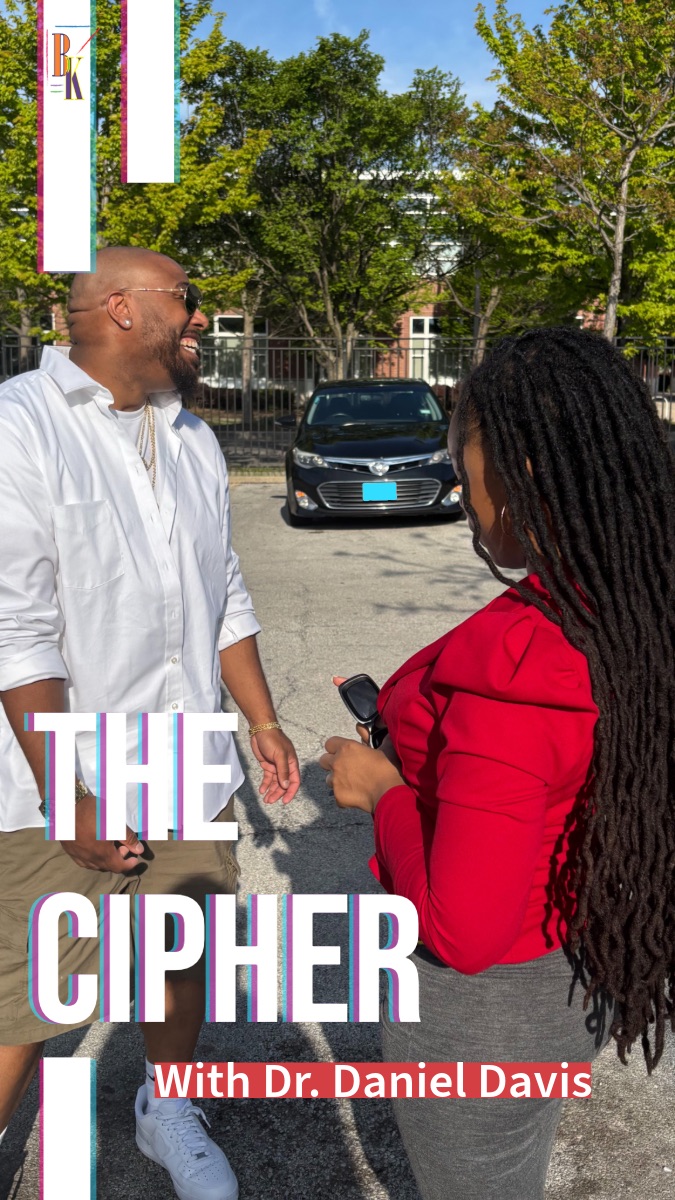
In my new interview series The Cipher & The System I’m going to discussing the state of the culture, the importance of solving our identity crisis and setting a standard for the stewards, creatives, and other associates of Hip Hop that benefit from our Black American culture.

Full video is going through post production, bare with me.

It’s time to set the bar, revolutionize the voice of the culture and if not me then who? Seriously šŸ˜’ tho.

From Party to Power: The Political Birth of Hip Hop

What began in the Bronx as a celebration of rhythm, rhyme, and resistance has evolved into a global political force. Hip hop was never just about beats and bars, it was a cry from the margins, a cultural blueprint for survival in the face of systemic neglect.

As pioneers like Afrika Bambaataa and Grandmaster Flash turned block parties into platforms for protest, the culture began to birth its own consciousness. From the raw social critiques of Public Enemy to the electoral mobilizations led by artists and organizers today, hip hop continues to shift and our goal is to go back to our roots to use it as a tool to party for power, reminding the world that the mic is mightier than many know.

The Crisis of Identity in the Age of Influence

In a time where virality is often mistaken for value, the Black identity is being reshaped by algorithms and aesthetics more than lived experience and ancestral knowledge.

Hip hop, once a vehicle for self-definition, is now caught between commercialization and cultural reclamation. Who are we beyond the brand deals, trending sounds, and curated lifestyles? This crisis of identity isn’t just a cultural issue, it’s political. It determines who tells our stories, who profits from our pain, and how we define ourselves in the face of erasure and exploitation.

Dr. Daniel Davis on Education, Legacy & Liberation

Dr. Daniel Davis doesn’t just teach African American history, he embodies its living legacy. A leading voice on culturally relevant pedagogy, Dr. Davis believes education is the first site of liberation. In this exclusive interview, he shares why hip hop is not only a genre but a pedagogy, and how understanding our past is key to shaping our political and cultural future. His work centers the value of legacy, not as nostalgia, but as fuel for the fight for equity, self determination, and generational power.

Can We Build Cultural Institutions That Don’t Exploit Us?

Too many institutions built on Black creativity have failed Black communities. Whether in academia, music, media, or the nonprofit sector, the pattern is familiar: our genius is extracted, repackaged, and sold back to us, often without ownership, authorship, or autonomy.

It’s time to ask the hard questions: Can we build spaces where cultural integrity outweighs commercial interest? Where our narratives are protected, not commodified? Where cultural stewards are supported, not silenced? The answer requires both imagination and infrastructure, and a refusal to trade authenticity for access.

The Next Generation Needs Standards, Not Gatekeepers

There’s a difference between preserving culture and policing it. As hip hop enters its fifth decade, we owe the next generation more than nostalgia or elitism.

We owe them standards anchored in ethics, excellence, and historical context. These standards aren’t meant to stifle creativity but to safeguard legacy. Instead of gatekeepers, we need mentors, archivists, and architects, those who understand that true cultural preservation happens not by exclusion, but by elevation.

The youth are watching. Let’s give them more than permission, we must give them principles.

If we don’t teach the history of Hip Hop, we leave its future in the hands of people who never lived it.

Dr. Daniel Davis