
Easy O’Hare Brings Nightmare O’Hare to Life on Friday the 13th 😈

Chicago – On the notoriously eerie date of Friday the 13th, Easy O’Hare fused horror and hip-hop in a way only he could, with the release of his latest album, Nightmare O’Hare. Held at The New Jo’s Bar and Grill in Merrillville, Indiana, the release event transported fans and peers into an immersive experience where sound collided with storytelling in a night full of adrenaline, ambiance, and authenticity.

But what’s the big deal with Friday the 13th?

For centuries, the number 13 has carried a reputation for bad luck, and when it lands on a Friday, that superstitious energy hits different. The fear is so widespread it has its own name: paraskevidekatriaphobia. Pop culture took it even further in 1980 with the horror classic Friday the 13th, introducing Jason Voorhees; the silent, masked killer who haunted Camp Crystal Lake and slashed his way into horror history. Since then, the date has come to symbolize fear, suspense, and rebellion; making it the perfect backdrop for Easy O’Hare’s latest creative strike.

His statement? It’s giving serial killer energy.

And he’s killing these other rappers especially when it comes to the way he curates his musical projects.

Nightmare O’Hare captures that chaotic yet calculated vibe. It’s raw, cinematic, and deeply unsettling in the best way. The album rides moody production and vivid lyricism, exploring the gritty realities of urban life, survival, and the kind of darkness you face when you’re moving a certain way.

When I rap it gets scary for the competition and we chose a beat selection that fit the mood of how scary it can actually get. With this project I was showing I can pop up outta nowhere with new music at any given time after my listeners hear Nightmare O’Hare they’ll definitely go download the past projects to get all the way tapped in with me.


The theme originated from a past rap beef where I had to switch forms from Easy O’Hare to nightmare

-Easy O’Hare

The Performance

Easy’s stage presence brought the music to life with gritty emotion and undeniable power. And the supporting acts? Just as heavy. The room was charged with energy, filled with people who came to show love and stayed to be moved. It was a whole vibe and yes, the chicken was fire too.

The Artist

  • Rico Moneyy
  • Kdoug Jr
  • Aboog
  • D’kno Mr.KNOITALL
  • ESC Deez
  • Fly cool club
  • Big Nastee
  • Easy O’Hare
  • Coldhard

The Bigger Picture

With Nightmare O’Hare, Easy doesn’t just drop music, he curates experiences and releases projects with precision. He proves that there’s room for 40-year-old rappers who trap 🏚️🪤 with strategy, successfully. This isn’t a moment; it’s a method.

Nightmare O’Hare is now streaming on all major platforms.

Stay tuned for visuals, BTS moments, and more drops by following him on Instagram: @easyohare_
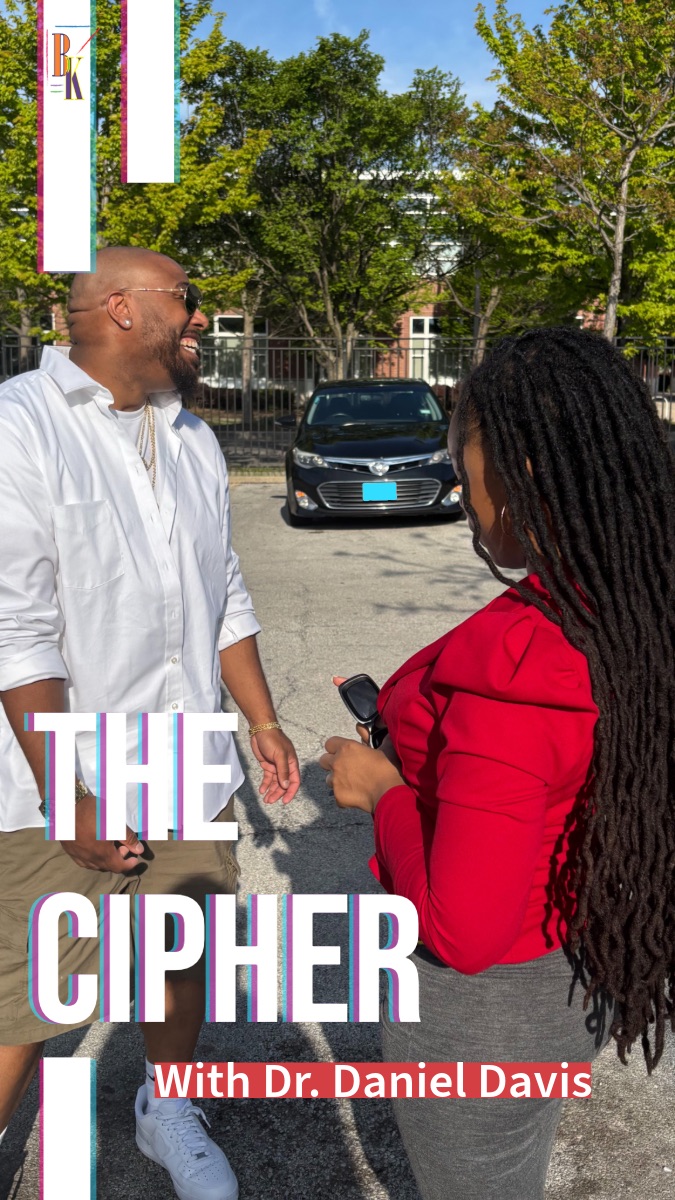

The Culture is the Curriculum: How Hip Hop Became a Social Political Force

Hip Hop was never just a soundtrack, it was a survival guide, a protest language, and a cultural archive passed through boom bap beats and breath. Today, as the world watches the Hip Hop generation step into political arenas, from local elections to the United Nations, we are forced to ask: Who controls the culture now? And what does it mean to be Black, American, and powerful in a world that still tries to erase the blueprint?

In my new interview series The Cipher & The System I’m going to discussing the state of the culture, the importance of solving our identity crisis and setting a standard for the stewards, creatives, and other associates of Hip Hop that benefit from our Black American culture.

Full video is going through post production, bare with me.

It’s time to set the bar, revolutionize the voice of the culture and if not me then who? Seriously 😒 tho.

From Party to Power: The Political Birth of Hip Hop

What began in the Bronx as a celebration of rhythm, rhyme, and resistance has evolved into a global political force. Hip hop was never just about beats and bars, it was a cry from the margins, a cultural blueprint for survival in the face of systemic neglect.

As pioneers like Afrika Bambaataa and Grandmaster Flash turned block parties into platforms for protest, the culture began to birth its own consciousness. From the raw social critiques of Public Enemy to the electoral mobilizations led by artists and organizers today, hip hop continues to shift and our goal is to go back to our roots to use it as a tool to party for power, reminding the world that the mic is mightier than many know.

The Crisis of Identity in the Age of Influence

In a time where virality is often mistaken for value, the Black identity is being reshaped by algorithms and aesthetics more than lived experience and ancestral knowledge.

Hip hop, once a vehicle for self-definition, is now caught between commercialization and cultural reclamation. Who are we beyond the brand deals, trending sounds, and curated lifestyles? This crisis of identity isn’t just a cultural issue, it’s political. It determines who tells our stories, who profits from our pain, and how we define ourselves in the face of erasure and exploitation.

Dr. Daniel Davis on Education, Legacy & Liberation

Dr. Daniel Davis doesn’t just teach African American history, he embodies its living legacy. A leading voice on culturally relevant pedagogy, Dr. Davis believes education is the first site of liberation. In this exclusive interview, he shares why hip hop is not only a genre but a pedagogy, and how understanding our past is key to shaping our political and cultural future. His work centers the value of legacy, not as nostalgia, but as fuel for the fight for equity, self determination, and generational power.

Can We Build Cultural Institutions That Don’t Exploit Us?

Too many institutions built on Black creativity have failed Black communities. Whether in academia, music, media, or the nonprofit sector, the pattern is familiar: our genius is extracted, repackaged, and sold back to us, often without ownership, authorship, or autonomy.

It’s time to ask the hard questions: Can we build spaces where cultural integrity outweighs commercial interest? Where our narratives are protected, not commodified? Where cultural stewards are supported, not silenced? The answer requires both imagination and infrastructure, and a refusal to trade authenticity for access.

The Next Generation Needs Standards, Not Gatekeepers

There’s a difference between preserving culture and policing it. As hip hop enters its fifth decade, we owe the next generation more than nostalgia or elitism.

We owe them standards anchored in ethics, excellence, and historical context. These standards aren’t meant to stifle creativity but to safeguard legacy. Instead of gatekeepers, we need mentors, archivists, and architects, those who understand that true cultural preservation happens not by exclusion, but by elevation.

The youth are watching. Let’s give them more than permission, we must give them principles.

If we don’t teach the history of Hip Hop, we leave its future in the hands of people who never lived it.

Dr. Daniel Davis