Celebrating the Heart of Education: National Teachers Day & Week

Chicago, IL– National Teachers Day and National Teachers Week are dedicated to honoring and appreciating the contributions of educators in the United States. The history of these observances’ dates back to the 1940s.

  • Early Advocacy: The idea for a day to honor teachers was first proposed by Eleanor Roosevelt in 1953. She persuaded Congress to set aside a day to recognize educators.
  • National Teachers Day: In 1980, the National Education Association (NEA) and its affiliates began discussions with Congress about creating a day to honor teachers. The NEA and its affiliates continued to observe Teacher Day on the first Tuesday in March.
  • Presidential Proclamation: In 1985, the NEA Representative Assembly passed a resolution declaring the first whole week of May as National Teacher Appreciation Week. In 1984, the National Parent Teacher Association (PTA) established Teacher Appreciation Week as the first entire week of May.
  • Official Recognition: In 1980, Congress passed legislation officially designating National Teacher Day as the Tuesday of the first week of May. This became a national day to honor teachers.
  • Continued Recognition: National Teachers Day and National Teachers Week have been celebrated annually since then. Schools, communities, and organizations nationwide use this time to thank teachers for their dedication and hard work.
  • Global Observance: While the specific dates and names may vary, many countries worldwide have similar observances to recognize the contributions of teachers.

These observances allow students, parents, administrators, and communities to express their appreciation for teachers’ vital role in shaping the future.

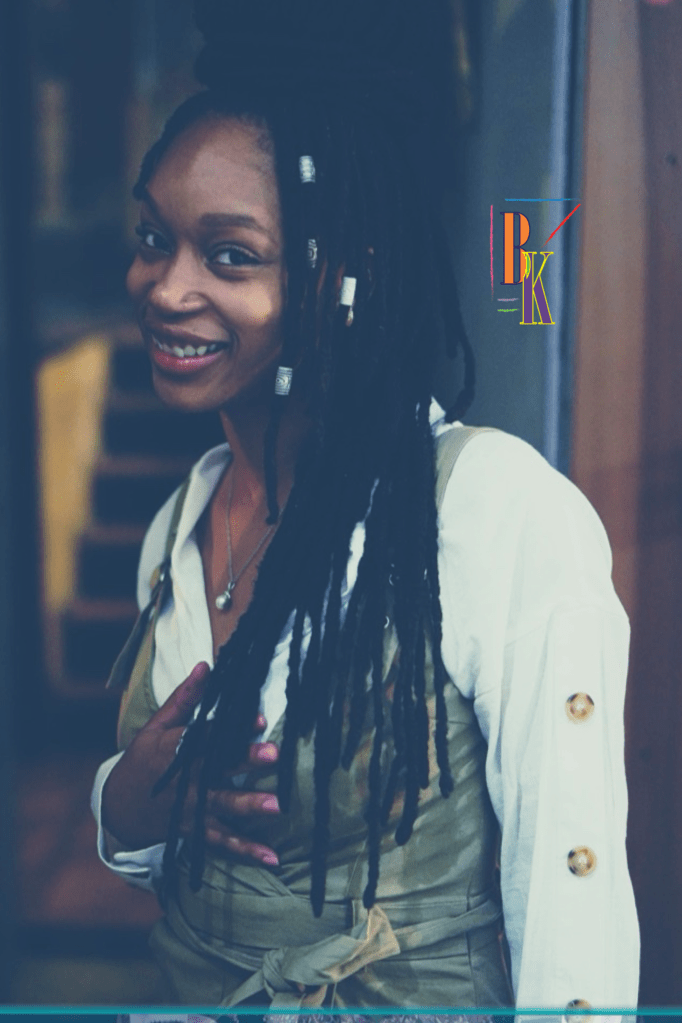
Embracing a New Chapter: My Journey with Illinois School District 163 as a Communications Specialist

Photojournalist: TSA Media @ Tim Streetz Winter Solstice Release Party

Dear School District 163 Community,

I am thrilled to embark on a new chapter of my professional journey as the Communications Specialist for School District 163 handling all your public relations & communications needs. From the moment I stepped foot into our vibrant community, I knew that I was stepping into a world of boundless possibilities, where every interaction, every conversation, and every connection has the power to make a difference.

Joining School District 163 fills me with an overwhelming sense of excitement and purpose. As someone deeply passionate about effective communication and community engagement as a social scientist, engineer, and entrepreneur, I am eager to leverage my skills and experience to serve our district and support its mission of academic excellence and student success.

Communication is at the heart of everything we do, and I am committed to ensuring that our voices are heard, our stories are shared, and our community is united. Whether it’s through crafting engaging content, managing our digital platforms, or collaborating with stakeholders, I am dedicated to fostering open, transparent, and meaningful communication across all levels of our organization.

But beyond the day-to-day tasks and responsibilities, what truly excites me is the opportunity to be of service to each and every member of our district. Whether you’re a teacher, a parent, a student, or a community member, know that my door is always open, and my ears are always ready to listen. Your ideas, your feedback, and your concerns matter, and I am here to support you in any way I can.

As we embark on this journey together, I am filled with hope, optimism, and a deep sense of gratitude for the opportunity to serve such a dynamic and diverse community. Together, let us embrace the challenges, celebrate the successes, and continue to build a brighter future for School District 163.

I look forward to getting to know each of you, learning from your experiences, and working together to make our district the best it can be. Together, we are stronger, together, we can achieve greatness.

Below is some general information on my system and ways that we can collaborate.

Thank you for welcoming me with open arms, and I am honored to be a part of this incredible community.

Gratitude,

BK
Communications Specialist

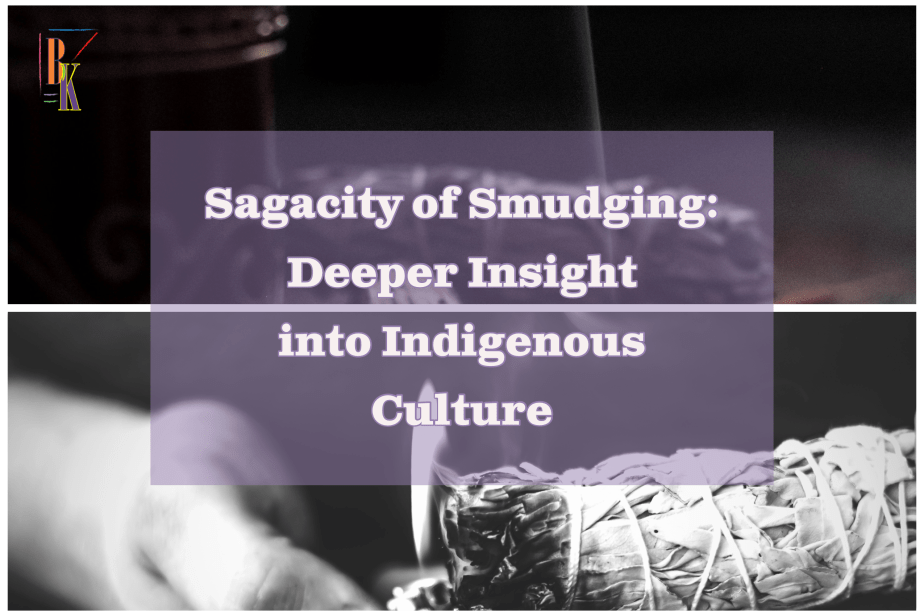
Sagacity: The Sacred Practice of Sage Burning

It is wise to know where your practices come from and to have deep insight into how they not only impact you, but the world. Sage comes in more than 900 species, according to Southern Living. It is a medicinal plant used in culinary and spiritual practices. It was once considered a medicinal cure-all, and can still be used to cure many dis-eases. The plant and the uses of it has become a trendy wellness practice. It is very important to know where this trend derived from and to protect the tradition by having a clear understanding of the practice to work effectively with indigenous peoples and Mother Nature.

The practice of burning sage is culturally sensitive to indigenous peoples but it’s something that we should also consider the agriculture process of and how it effects the environment.

Sage burning also known as smudging, is used for purifying and cleansing the spirit of negative energy in the home, room, or body, helping to maintain a satisfactory aura. The term smudging comes from indigenous tribes, commonly, in North America. A good question is, do they practice this medicine in other cultures, if so, where and what are they called ?

Bustle’s Nyla Burton, said “when non-native people burn sage to “smudge” their homes or other spaces, it can minimize the cultural importance of this ritual, and have a negative impact on how the herbs are grown. Instead, advocates say non-native people can learn to cleanse their spaces in ways that are culturally and ecologically sensitive. There are lots of ways to achieve the benefits of smudging by using more ethical practices, terminology, and materials.”

Definition of Smudging

“Sacred smoke from burning medicinal or sacred plants, a traditional ceremony for purifying and cleansing soul of negative thoughts of a person or place.”

The Four Elements

  • Traditionally, a shell is used as a container representing water the first element
  • Four sacred plants that are gifts from mother earth represent the second element, earth.
    • Cedar
    • Sage
    • Sweetgrass
    • Tobacco
  • Lighting of the sacred plants produces the third element, fire.
  • Smoke from the fire produces the fourth element, air.

To learn more about working effectively with Indigenous Peoples visit Indigenous Corporate Training, Inc. for more.

It is better to light the plant with a match then a gas lighter. You can burn both the leaves and the stems before wavering over the subject by hand or with a feather,traditionally natives use eagle feathers. The person being smudge can pull the smoke towards them to inhale softly. When finished the ashes are then returned to mother earth, for which this is where the gifts came from. It is said and believed that the ashes absorbs the negative thoughts and feelings.


Sources

When You Have Heroes as Friends: @SaintTheGoodBoy & Jesse James Saves the Day

Friday, September 7, 2018 King James (Jesse Stringer) and Saint “The Good Boy” (Lennell Davis) was looking for a party during after hours when they approached 79th Phillips and seen a building on fire.

I was told by a source that The Chicago Fire Department was on location and did not immediately respond to the fire. That’s what sparked both guys to go into the building on a rescue mission. Source reported that Jesse asked the Fire Fighters what were they waiting on to go into the building and one of the Fire Fighters responded by allegedly telling him to “go ahead and go in”.

I received a call from Saint shortly after they finished the rescue. For more information on the story, click link here, to get CBS2 Chicago’s account. They awkwardly produced their story deliberately stating that the The Chicago Fire Department’s Fire Fighters immediately responded, when I was told by a source, who was present, that they did not.

Nonetheless, it’s great to know that I have great friends/humans around who will sacrifice to ensure the well being of others. They could have kept riding and assumed that because the Chicago Fire Department was present they would take care of it. This is a good example of leadership and being an active citizen.

Mapping Global Media and Contra-Flow: Discussion

What is the global media landscape? How has it evolved over the past decades? What role has UNESCO played in the shaping of the global media landscape?

The global media landscape is the digital technology and aesthetics of the flow of media. It has evolved over the last decade by allowing the global and contra-flow of media to flow in different directions (export and import). This allows those who didn’t have access to other nations or target audience to expand their base or reach a larger audience. The UNESCO role, which is the mediator, has shaped the global media landscape. It helps to report information to the key players involved providing them with education for a better understanding of culture scientifically. I think that this allows all parties involved to make better decisions when it comes to the trading of communication and media commodities.

Who are the major media players (companies and countries)? What is meant by ‘subaltern’ contra-flows? Are these anti-hegemonic or pro-American? Why?

The major media players in terms of countries is United States, Europe, and Asia. The major media company players are CNN (US), ESPN (US),  Disney (US), Discovery (US), Hollywood (US), Google (US), BBC (Europe), CNBC (US), Wall Street Journal (US), Japanese Animation (Japan), etc.( Thussu, 12).

What is meant by “subaltern Contra-flows”, is an sub-alternate flow that flows culture from one place to another by a constituent from another region (Thussu,11-13) . For example, there are two  types of Contra-Flows: Transnational and Geo Cultural  (Thussu,12) . Transnational is a subaltern flow that consist of multi-vocal, multimedia, and multi-directional flows (Thussu,11-13).

According to the text, Thussu states that global media traffic isn’t just one way, even with the US at core. I think that this shows that the subaltern flows is anti-hegemonic even though they may be hybridized (Thussu,18-21). The goals of these subaltern flows is to create a flow that counters the dominant flows, giving the world audience a different perspective of culture and creativity (Thussu, 10-13).

I do not own the copyrights to this image
I do not own the copyrights to the image

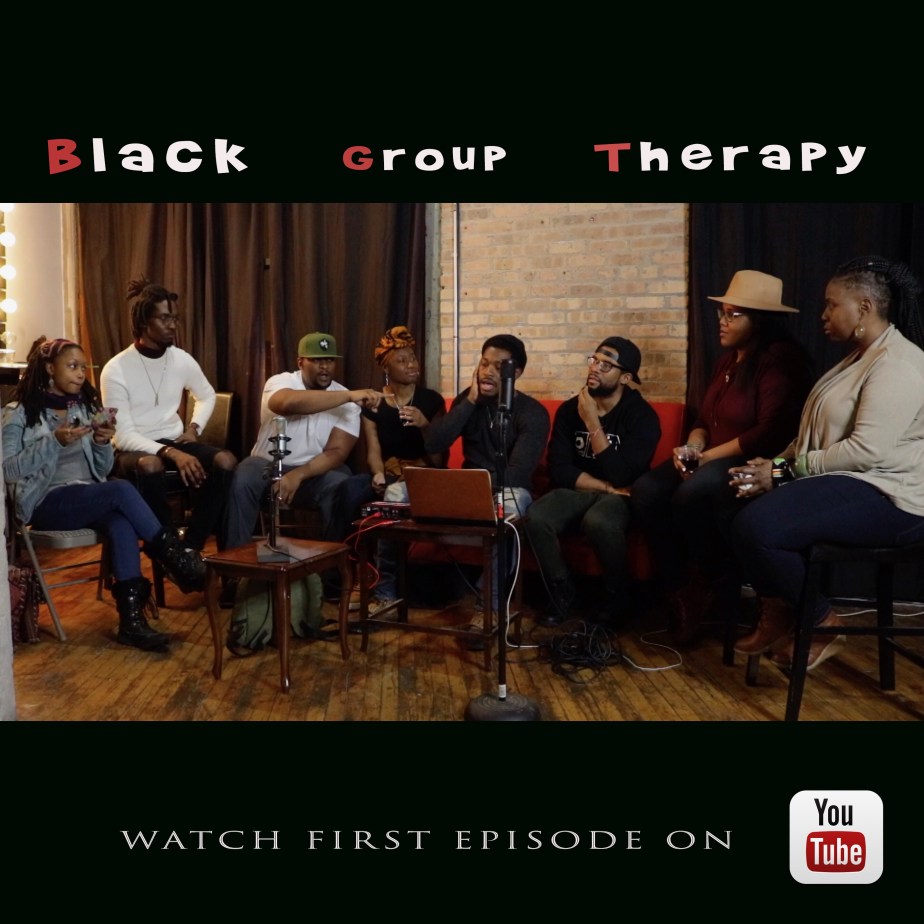
“Black” Group Therapy with the Squad *Update (3 New Episodes)

Chicago– Tuesday, January 22, I had the pleasure of sitting down with my peers to converse about social issues that are centered to the culture. Our culture. I came in late but I was happy to slide in and contribute to the conversation.

I’ll be back soon with everyone’s name and social media info, one day! Enjoy and feel free to share your comments, and share! Don’t forget to subscribe and check out the current episodes below! I’m in Episode 3 too.

Welcome to Black Group Therapy

Episode 1

Episode 2
Episode 3
Episode 4

Urban Culture and Affairs: Let’s Set a New Direction of Flow

What is Flow and Contra-Flow? 

Author: Briyana Kelly

Date: Sunday, January 21, 2018 11:58:16 PM CST

Subject: What is flow and contra-flow? What is meant by ethno-mediascape?

Flow is how communication and media networks attempt to hold their audience from one program to another; or even from a segment in the program to the next segment. In summary, how the constituent consumes media across networks or from programs. Contra-flow is the movement of culture brought to another place through an migrant (diaspora)  which moves the flow of media in the opposite direction of just flowing from the west to the rest of the population, making it a two way movement. Ethno-mediascape is a type of global cultural flow, mediascape is communciations media as a whole and ethno is simply ethnics. In summary, ethno-mediascape is ethnic communications media as a whole.

1[1]

Author: Briyana Kelly

Date: Monday, January 22, 2018 12:05:28 AM CST

Subject: How does flow and contra-flow contribute to the emerging ethno-mediascape?

Flow and contra-flow contributes to the emerging ethno-mediascape by creating diversity in the market from ethnic cultural groups directly, other than media and communication that is disseminated by outside sources. It allows other cultures to build their own communications commodities that reflect their culture and gives them the power to tell their own story including inform their fellow members who may have relocated nationally. It gives constituents a direct connection which is a major key in relations to how flow and contra-flow contributes to ethno-mediascape. This is also great because it’s great for representational value dealing with other ethic cultural groups.

 Why am I igniting this conversation? 

Well as you know, I’m building my credibility as a Social Scientist and Engineer, so it’s only right that I share my research. I’m currently studying Global Media and Informational Flow with my Professor, Dr. Deborah James, at Governors State University.

My interest in Media Studies is from never seeing an accurate portrayal of my identity and culture. I want to help move Urban Culture forward scientifically and dis-spell all of the misconceptions of who I am in the world. As an Urban Citizen I didn’t get into institutional studies to be socially reformed, I admitted myself to socially reform those who share their perspective of the African Diaspora globally based on their assumptions of who we are.  I think we need to focus on glocal conversations in the dominant aka global media flow.

 Source:

Thussu,Daya Kishan. (2007)Media on the Move: Global flow and contra-flow.New York, NY. Routledge.